
When your teeth start to lose strength, it affects more than just your smile. Weak teeth can lead to pain, difficulty chewing, and even tooth loss if left untreated. Fortunately, dental crowns offer a reliable way to restore both strength and function. If you’ve been wondering how to strengthen weak teeth, dental crowns may be the perfect solution to protect and rebuild your smile.
In this guide, we’ll explore the reasons for weak teeth, how crowns restore strength, and why they’re one of the most effective weak teeth solutions in modern dentistry.
Understanding Why Teeth Get Weak
Before finding the right weak teeth solution, it’s important to understand what causes teeth to weaken in the first place.
Common Reason for Weak Teeth
There are many reasons for weak teeth, and most are related to daily habits or underlying dental conditions. Here are the most common causes:
- Tooth Decay: Cavities erode enamel, the tooth’s protective layer, making it vulnerable to fractures.
- Large Fillings: When too much tooth structure is replaced by filling material, the remaining enamel becomes fragile.
- Bruxism (Teeth Grinding): Constant grinding puts immense pressure on teeth, wearing them down.
- Acidic Diet: Soft drinks, citrus fruits, and acidic foods weaken enamel over time.
- Aging and Wear: Natural wear due to aging can thin enamel, leading to teeth weakness.
- Genetic Factors: Some people naturally have softer enamel or thinner dentin layers.
If your teeth are getting weak, it’s crucial to address the underlying cause early before it leads to cracks, sensitivity, or infections.
How to Strengthen Weak Teeth with Dental Crowns
When the structure of your tooth is compromised, dental crowns act like armor. They cover and protect the remaining healthy part of your tooth, restoring its strength and stability.
What Are Dental Crowns?
A dental crown is a custom-made cap placed over a damaged tooth to restore its size, shape, and strength. It acts as a shield, preventing further wear and protecting the tooth from fractures. Modern crowns are made from materials like porcelain, zirconia, or ceramic that are both durable and natural-looking.
How Crowns Strengthen Weak Teeth
Crowns reinforce a tooth’s structure by distributing bite forces evenly across the surface. This prevents additional cracking or chipping and provides long-term protection. Once bonded with the best dental cement for crowns, the crown becomes a permanent part of your bite — offering the same functionality as a natural tooth.
For patients seeking Dental Crowns in Northampton, MA, professional dental care ensures precise fit, perfect shade matching, and strong bonding that lasts for years.
Weak Teeth Solution: Why Crowns Are the Gold Standard
If your teeth are getting weak, dental crowns offer a comprehensive fix that not only strengthens your tooth but also restores its appearance.
Immediate Protection
Unlike fillings, crowns cover the entire tooth, providing immediate protection against chewing pressure and temperature changes.
Restored Function
Once the crown is placed, you can chew, bite, and smile normally again without fear of damaging your tooth.
Enhanced Aesthetics
Crowns mimic the look of natural teeth, restoring both your confidence and your oral function simultaneously.
Are Crowns Strong Enough to Restore Teeth
Many patients wonder are crowns strong enough to replace natural enamel? The answer is yes. Dental crowns are made from highly durable materials that can withstand the same, or even greater, biting forces as your natural teeth.
Crown Strength by Material
- Porcelain-Fused-to-Metal: Offers durability and a natural look.
- All-Ceramic or Zirconia: Excellent strength with metal-free aesthetics.
- Gold Crowns: Long-lasting and resistant to cracking — often used for molars.
When bonded using the best dental cement for crowns, these materials create a seal that protects the natural tooth underneath for decades with proper care.
Teeth Getting Weak? Here’s How Crowns Help
If you notice signs of teeth weakness like sensitivity, pain when chewing, or chips along the edges, a crown can help restore strength before permanent damage occurs.
Prevents Fractures
By covering the tooth entirely, crowns prevent cracks from spreading deeper into the root.
Restores Lost Structure
For worn or broken teeth, crowns rebuild the full shape, allowing you to chew and speak comfortably.
Long-Term Protection
With regular dental visits and proper hygiene, crowns can last 10–15 years or more, protecting your teeth from future decay and damage.
Crowns to Straighten Teeth: Can They Improve Alignment?
While crowns are primarily restorative, they can sometimes assist in crowns to straighten teeth — particularly in mild cases of misalignment or uneven spacing.
Straightening Teeth with Crowns
Straightening teeth with crowns works by reshaping the visible portion of the tooth. Dentists can design crowns slightly differently to create the appearance of straighter, more aligned teeth. This is often done in smile makeover cases where aesthetics and function are equally important.
While this doesn’t move teeth the way orthodontics do, it offers a cosmetic alternative for patients who want quick, noticeable improvements.
The Process of Strengthening Weak Teeth with Crowns
Getting crowns is a straightforward process that delivers lasting protection and beauty.
Step 1: Diagnosis and Preparation
Your dentist examines your tooth, removes decay, and shapes it to hold the crown securely.
Step 2: Impression and Temporary Crown
An impression or 3D scan is taken to design your custom crown. A temporary crown protects the tooth while the permanent one is crafted.
Step 3: Placement and Bonding
Once ready, the permanent crown is placed and sealed with the best dental cement for crowns, ensuring a strong bond that lasts for years.
Step 4: Final Adjustments
Your dentist checks the bite and appearance, ensuring your crown feels natural and comfortable.
How to Maintain Strong Crowns and Prevent Future Weakness
After restoring your teeth with crowns, maintaining their strength requires consistent care.
Brush and Floss Regularly
Use a soft-bristled toothbrush and fluoride toothpaste. Floss around the crown gently to prevent plaque buildup.
Avoid Hard or Sticky Foods
Chewing ice, nuts, or sticky candies can dislodge or crack crowns over time.
Schedule Regular Checkups
Routine visits allow your dentist to check for wear, bite changes, and early signs of weakness in nearby teeth.
Address Grinding Habits
If you grind your teeth, wearing a night guard protects both your natural teeth and your crowns.
Weak Teeth and Root Canal Treatments
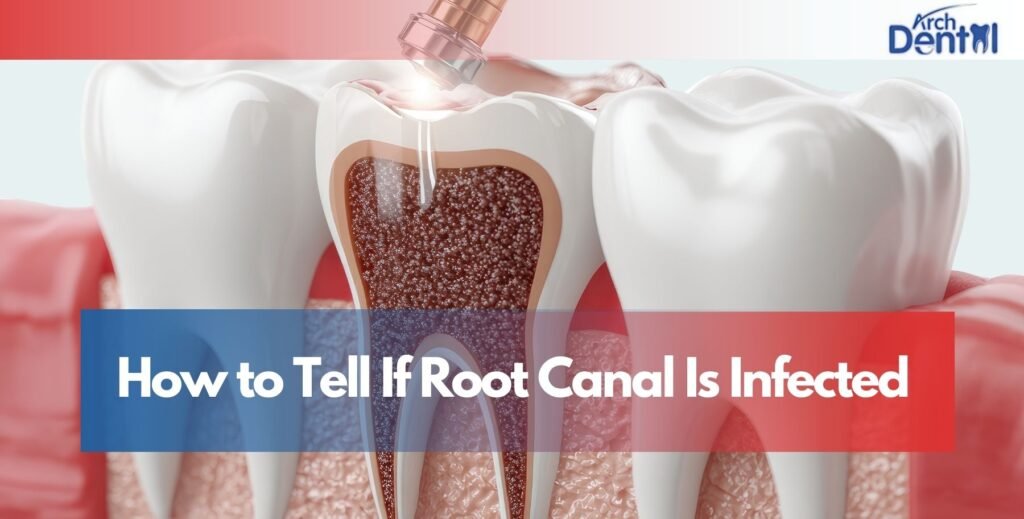
After a root canal, a tooth loses some of its internal structure, which can make it more fragile. Placing a crown over the treated tooth helps restore its strength and prevents fractures. Without a crown, the weakened tooth is more likely to break under pressure.
How to Strengthen Weak Teeth Naturally
In addition to crowns, you can also take steps at home to reinforce your tooth structure and prevent further enamel loss.
Eat Enamel-Friendly Foods
Dairy products, leafy greens, and fish are rich in calcium and phosphorus that strengthen enamel naturally.
Use Fluoride Toothpaste and Mouthwash
Fluoride helps remineralize weak enamel and provides long-term protection.
Avoid Acidic and Sugary Foods
Sodas, citrus juices, and candy contribute to enamel erosion and teeth weakness over time.
Hydrate and Maintain Good Hygiene
Drinking water and keeping a consistent oral hygiene routine keeps your mouth clean and reduces bacterial growth.
Conclusion
Dental crowns are one of the most reliable and proven solutions to restore and strengthen weak teeth. They protect against fractures, restore your natural bite, and improve aesthetics — all while lasting for many years. Whether your teeth are getting weak due to decay, grinding, or age, crowns offer a long-term weak teeth solution that’s both functional and beautiful.
If you’re experiencing discomfort, sensitivity, or damage, talk to your dentist about restorative options like Dental Crowns to regain your confidence and protect your smile for the future.
FAQs
Can crowns straighten teeth?
Crowns can create the appearance of straighter teeth by reshaping their visible surfaces. While they don’t move teeth like braces or aligners, crowns to straighten teeth are often used in cosmetic dentistry to correct minor misalignment and improve uniformity.
Are dental crowns strong?
Yes, dental crowns are extremely strong and durable. Depending on the material used, they can handle daily biting forces similar to natural enamel. When bonded using the best dental cement for crowns, they can last 10–15 years or more with proper care.
How to strengthen weak teeth naturally?
To strengthen weak teeth naturally, eat calcium-rich foods, use fluoride toothpaste, and avoid acidic or sugary drinks. Drinking water regularly helps wash away bacteria and supports remineralization. However, for severely weakened teeth, professional treatment like crowns is necessary.
Does root canal weaken tooth?
Yes, after a root canal, a tooth can become more brittle because the procedure removes the pulp tissue that provides nourishment. A crown placed afterward restores strength, protecting the tooth from cracking or breaking under pressure.
Can you straighten teeth with crowns?
Yes, straightening teeth with crowns is possible in minor cases. Dentists can reshape and align the visible portion of the tooth using crowns for an even smile. It’s a cosmetic approach suitable for patients who want faster results without orthodontics.
How to strengthen brittle teeth?
Brittle teeth can be strengthened by improving diet, maintaining oral hygiene, and using fluoride products. For teeth already weakened by wear or cracks, crowns offer the best long-term reinforcement.
How to strengthen weak teeth?
If your teeth are getting weak, visit your dentist for evaluation. Treatments like fluoride applications, bonding, and crowns can protect your enamel and restore full strength. Combine professional care with a healthy diet and consistent hygiene routine for lifelong protection.