
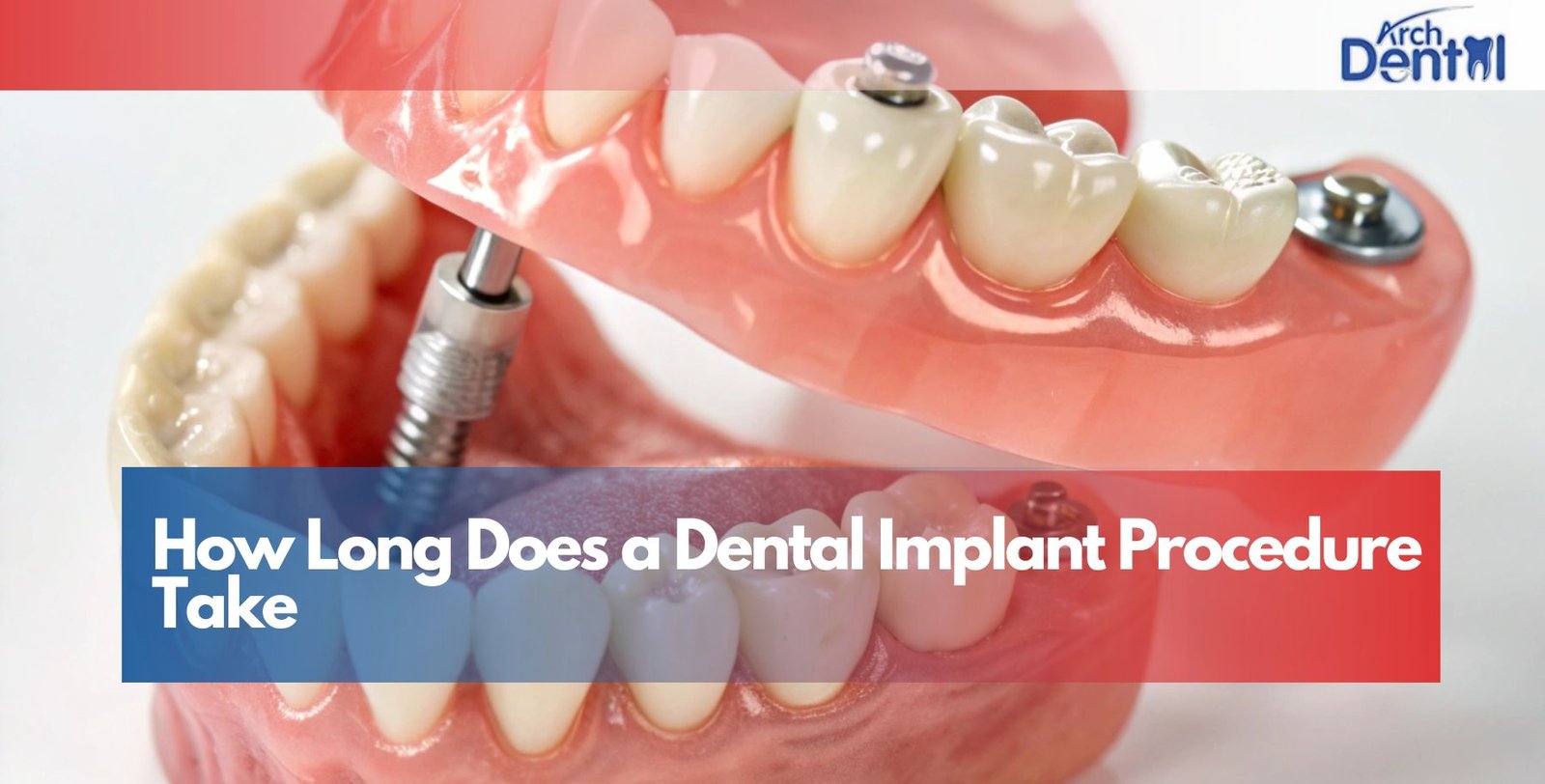
If you’re considering a dental implant, one of the first questions you may ask is, “How long will the whole process take?” It’s a common and important question because a dental implant isn’t a one-day treatment; it’s a carefully planned, step-by-step procedure designed to ensure strength, stability, and long-term success.
As a dentist, I like to explain to my patients that getting a dental implant is similar to building a strong foundation for a house every stage matters. While the timeline varies for each person, understanding each phase helps set realistic expectations and eases anxiety before starting treatment.
In this article, we’ll go through every stage of the dental implant process, explain how long each step takes, and discuss what factors can affect your treatment time.
The Initial Consultation and Evaluation (1–2 Appointments)
Before any implant surgery, your journey begins with a thorough consultation and examination. This step is crucial because it allows your dentist to determine if you’re a good candidate for implants.
During this phase, your dentist will:
- Review your dental and medical history
- Take digital X-rays and possibly a 3D CBCT scan to evaluate bone density
- Examine your gums and overall oral health
- Discuss your treatment goals and expectations
How Long Does the Consultation Take?
The initial visit typically lasts about 60 to 90 minutes. In some cases, a second appointment is scheduled to discuss the customized treatment plan or to review 3D imaging results.
If everything looks healthy enough bone, no infections, and strong gums — you may be able to schedule your implant surgery within a few weeks.
However, if bone loss or gum disease is present, additional procedures like bone grafting or periodontal treatment may be necessary before the implant placement, extending the total timeline.
Phases of the Dental Implant Procedure
Dental implant treatment is usually divided into several key phases. Each step plays an essential role in ensuring that your implant integrates properly and lasts a lifetime.
Let’s break it down step by step.
Tooth Extraction (If Required)
If you’re replacing a damaged or decayed tooth, it must be removed first.
How Long It Takes:
Tooth extraction usually takes 30 to 60 minutes and is often done under local anesthesia.
After the extraction, your dentist will usually wait 6–12 weeks before placing the implant to allow the gum and bone to heal properly. However, in certain cases, an implant can be placed immediately after extraction, depending on the condition of your jawbone.
Dental Implant Placement Surgery
This is the main stage where the titanium implant post the artificial tooth root — is surgically placed into the jawbone.
How It Works:
Under local anesthesia or sedation, your dentist will:
- Make a small incision in your gums.
- Drill a space in the jawbone.
- Insert the titanium implant post.
- Close the incision with stitches.
How Long It Takes:
The actual placement procedure usually takes 1–2 hours per implant, depending on the number of implants and the location in your mouth.
After this stage, you’ll enter the healing and osseointegration period, where the implant fuses with your jawbone.
Healing and Osseointegration (3–6 Months)
Osseointegration is the most critical and time-consuming part of the implant process. During this stage, your bone grows around the implant post, securing it firmly in place.
Typical Timeline:
- Lower jaw implants: Heal in about 3–4 months
- Upper jaw implants: May take 5–6 months due to softer bone density
While this healing period can feel long, it’s essential for long-term success. This natural process is what gives dental implants their incredible durability and stability often lasting a lifetime with proper care.
During this phase, you can continue your daily activities. Temporary crowns or dentures can be worn to maintain your smile until the permanent crown is ready.
Abutment Placement (1–2 Weeks for Healing)
Once your implant has integrated with the bone, it’s time to attach the abutment a small connector piece that links the implant to your future crown.
How It’s Done:
A small incision is made to expose the implant, and the abutment is screwed into place. The gums are then left to heal around it, which takes about 1–2 weeks.
Some dentists use healing abutments or one-stage implants, where this step is done at the same time as implant placement, reducing overall treatment time.
Crown Fabrication and Placement
The final step is creating and fitting your dental crown the visible part of your new tooth.
Process:
Your dentist takes impressions or digital scans of your mouth to craft a crown that matches your natural teeth in shape, size, and color.
Timeline:
Crown fabrication typically takes 2–3 weeks, depending on whether your dental office uses in-house milling or an external lab. Once ready, the crown is permanently attached to the abutment.
This marks the completion of your dental implant journey. Your new tooth is ready to function and look just like a natural one.
Bone Graft or Sinus Augmentation Adds More Time to the Dental Implant Process
Not every patient has enough bone to support a dental implant. When bone loss is detected, your dentist may recommend a bone graft or sinus lift before implant placement.
Bone Graft
A bone graft strengthens or rebuilds your jawbone by adding bone material (synthetic or natural).
Healing Time:
After grafting, you’ll typically need 3–6 months for the new bone to integrate before the implant can be placed.
Sinus Augmentation
If your upper jawbone doesn’t have enough height near the sinuses, a sinus lift procedure adds bone below the sinus membrane.
Healing Time:
Recovery usually takes 4–9 months before an implant can be safely inserted.
While these steps lengthen the process, they are vital to ensure the implant’s long-term success and prevent complications like implant failure or instability.
Factors That Influence the Dental Implant Timeline
Each patient’s situation is unique, so the total treatment time can vary. Here are a few key factors that determine how long your implant procedure may take:
Number of Implants
Replacing one tooth typically takes less time than multiple implants or full-mouth restorations.
Bone Density and Quality
Strong, dense bone allows faster osseointegration. Softer bone, especially in the upper jaw, requires more time to heal.
Healing Response
Every individual’s healing rate differs based on age, lifestyle, and overall health. Smokers or diabetic patients often experience longer recovery times.
Additional Procedures
Bone grafts, sinus lifts, or gum treatments extend the timeline before the actual implant placement.
Type of Implant System
Modern techniques, such as immediate load implants, can reduce total treatment time, allowing patients to receive a temporary crown the same day.
Same-Day Implants vs Traditional Implants
Some patients qualify for same-day dental implants, also known as “teeth in a day.” This approach places the implant and temporary crown in a single visit.
Advantages:
- Immediate cosmetic improvement
- Fewer surgical appointments
- Faster treatment
However, same-day implants aren’t suitable for everyone. Patients with poor bone quality or gum issues still need time for osseointegration before final restoration.
A thorough consultation will help determine whether you qualify for this faster method.
How Long Does the Whole Dental Implant Process Take?
In most cases, the entire dental implant process takes between 3 to 9 months, depending on your oral condition and whether additional procedures are needed.
| Stage | Estimated Timeframe |
| Consultation & Planning | 1–2 visits (1–2 weeks) |
| Extraction (if needed) | +6–12 weeks healing |
| Implant Placement | 1–2 hours per implant |
| Osseointegration | 3–6 months |
| Abutment Placement | 1–2 weeks |
| Crown Placement | 2–3 weeks |
| Total Estimated Time | 3–9 months (varies per case) |
Each step is important and tailored to your specific needs, ensuring the best possible outcome and long-lasting results.
How Long Do Dental Implants Last?
With proper care, dental implants can last 25 years or more, often a lifetime. The titanium post fuses permanently with the bone, making it stronger than natural roots.
Daily brushing, flossing, and regular checkups ensure your implant remains healthy and functional.
If you’re considering restoring your smile with dental implants Northampton, consult an experienced implant dentist who can assess your situation and provide a personalized treatment timeline.
Aftercare Tips to Speed Up Healing
Healing well after each stage is crucial for implant success. Here’s how you can support a smooth recovery:
Maintain Excellent Oral Hygiene
Gently brush and rinse with an antimicrobial mouthwash to keep the surgical area clean.
Eat Soft Foods
Avoid crunchy or sticky foods for the first few days to prevent irritation.
Avoid Smoking
Smoking slows down healing and increases the risk of implant failure.
Follow All Post-Op Instructions
Take prescribed medications, attend follow-up appointments, and contact your dentist if you experience swelling or prolonged discomfort.
Conclusion
Getting a dental implant is a process that requires patience but the results are worth it. Unlike bridges or dentures, implants restore not only your smile but also your confidence and bite strength.
While the average procedure takes several months, each step is vital to ensure lasting success. From consultation to crown placement, your dentist will guide you carefully through every stage, keeping your comfort and long-term health a priority.
If you’re planning to replace missing teeth, talk to your dentist about your treatment options today. A dental implant is one of the best investments you can make for your oral health and overall well-being.
FAQs
How painful is getting a dental implant?
You won’t feel pain during implant surgery because it’s performed under local anesthesia. Some mild soreness or swelling afterward is normal and easily managed with pain relievers. Most patients say the discomfort is far less than they expected.
What is the 3/2 rule for dental implants?
The 3/2 rule suggests that implant-supported restorations should have at least 3 millimeters of bone around the implant and 2 millimeters between adjacent implants. This ensures proper support, blood flow, and long-term success.
How long does the whole dental implant process take?
The full process generally takes 3 to 9 months, depending on healing time, bone density, and whether additional treatments (like grafting) are required. Each case is different, but the goal is long-lasting stability and comfort.
Do you get put to sleep for dental implants?
Most dental implant surgeries are done under local anesthesia, so you’re awake but completely numb. However, sedation options like IV or oral sedation are available for patients with dental anxiety to ensure maximum comfort during the procedure.