Losing a tooth can be an exciting milestone for kids but for adults, it often means something more serious. Whether you’re dealing with a loose baby tooth or a tooth that’s naturally wiggling due to age or damage, the key is to remove it safely and painlessly. Trying to pull a tooth the wrong way can lead to bleeding, infection, or injury to your gums.
In this comprehensive guide, we’ll explain how to pull out a tooth without pain, how to know when it’s ready, what to do afterward, and when it’s best to call a dentist. This article is written to help you understand safe methods that protect your teeth, gums, and smile.
Understanding a Loose Tooth or Wiggly Tooth
Before you try removing a tooth, it’s important to understand why it’s loose in the first place.
In Children
A wiggly tooth in children is normal. It’s part of the natural process where baby teeth (primary teeth) fall out to make room for adult teeth (permanent teeth). These teeth often come loose naturally and can be removed at home if they’re ready.
In Adults
For adults, a loose tooth is not normal. It could be caused by gum disease, trauma, infection, or bone loss. Adult teeth should never be pulled out at home. Doing so can lead to severe pain, bleeding, and long-term oral health problems.
If you notice a loose adult tooth, book an appointment with a dentist in Northampton, MA immediately to identify the cause and save the tooth if possible.
When to Pull Out a Loose Tooth?
Knowing the right time to remove a loose tooth is crucial to avoid pain or damage.
Signs That a Tooth Is Ready to Be Pulled
- The tooth moves freely in all directions.
- There’s little to no pain when wiggling it.
- It hangs by a small piece of tissue.
- Eating or brushing makes it twist or fall easily.
If the tooth is still firm, painful, or bleeding when touched, it’s not ready to come out. Let it loosen naturally over time or visit a dentist for safe removal.
How to Prepare for Painless Tooth Removal
Preparation helps reduce pain, prevent infection, and ensure a smooth process.
Wash Your Hands
Always start by washing your hands thoroughly to avoid transferring bacteria to your mouth.
Rinse with Warm Salt Water
Mix a teaspoon of salt in a glass of warm water and rinse your mouth. This helps clean the area and reduce bacteria.
Use a Clean Tissue or Gauze
Have a sterile piece of gauze or tissue ready to grip the tooth and absorb any minor bleeding.
Stay Calm
If it’s your child’s tooth, help them stay relaxed. Anxiety or sudden movements can make the process uncomfortable.
Step-by-Step Guide on How to Pull Out a Tooth Painlessly
If the tooth is ready to come out and there’s no pain, follow these gentle steps.
Step 1: Wiggle the Tooth Naturally
Encourage gentle wiggling with clean fingers or the tongue several times a day. This loosens the tissue holding the tooth.
Step 2: Use a Tissue or Gauze
Wrap a piece of gauze around the loose tooth for better grip and comfort.
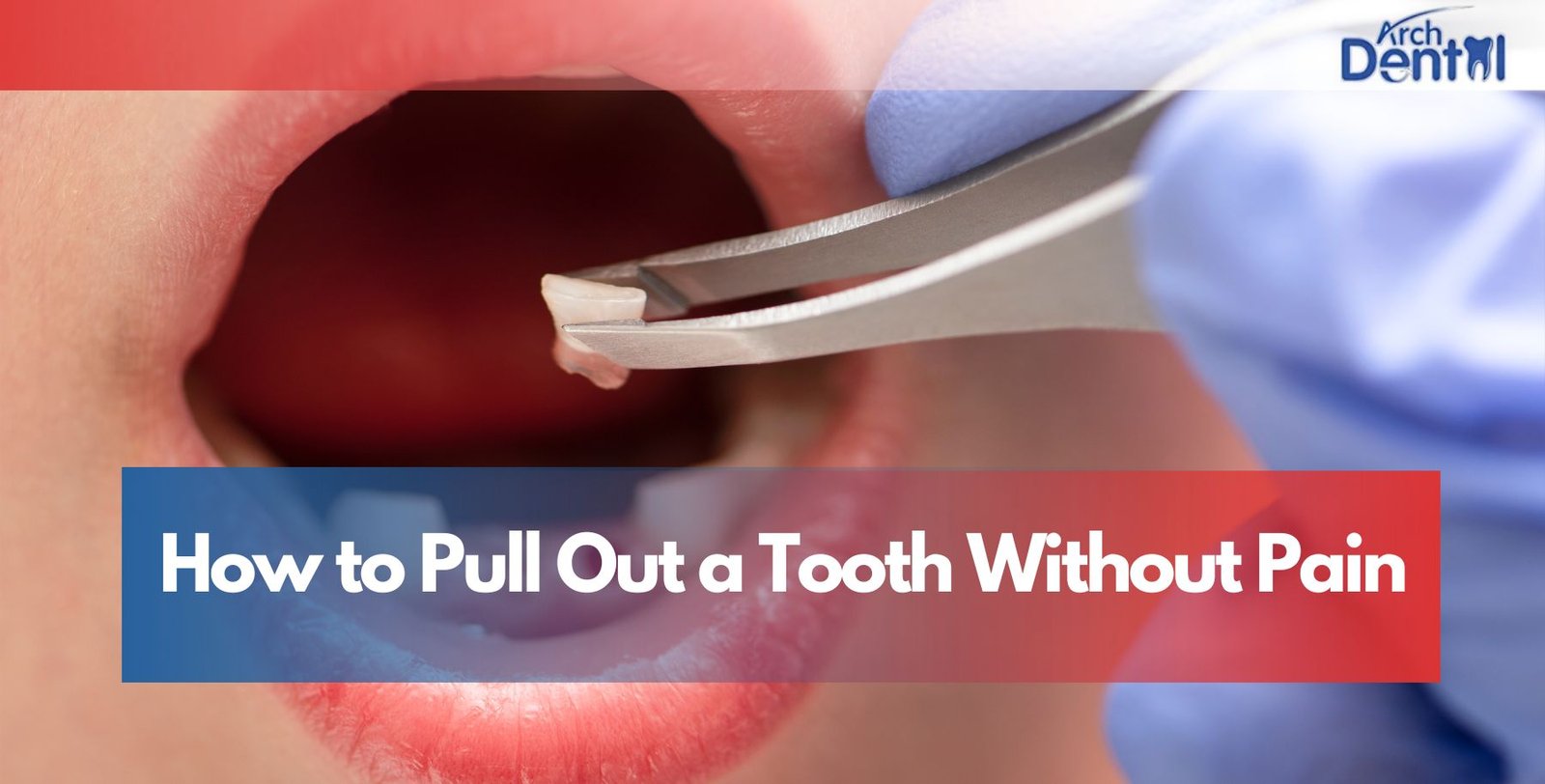
Step 3: Pull Gently in One Quick Motion
If the tooth is barely attached, pull it out with a quick, gentle twist. Avoid tugging repeatedly, as it can irritate gums.
Step 4: Rinse and Apply Pressure
Once the tooth is out, rinse your mouth with warm salt water and gently bite down on clean gauze to stop bleeding.
Step 5: Keep the Area Clean
Avoid touching the socket with your tongue or fingers. Brush gently around the area until it heals.
Alternative Methods for Children
For kids, making the process fun can ease fear and help the tooth come out naturally.
Let Nature Do the Work
Encourage your child to wiggle their tooth daily with their tongue. Often, it falls out naturally while eating or brushing.
The Crunchy Snack Trick
Biting into a firm apple or carrot can gently pull out an already-loose tooth without pain.
The “Tooth Fairy” Method
For a little motivation, let your child know that losing a tooth means a special visit from the Tooth Fairy!
Always supervise your child during tooth removal to ensure safety.
What to Do After a Loose Tooth Is Removed?
After the tooth is out, it’s important to take care of the socket to promote healing and prevent infection.
Stop the Bleeding
Apply clean gauze to the area for 10–15 minutes. If bleeding continues, replace the gauze and hold it gently with pressure.
Rinse Gently
Rinse your mouth with warm salt water 2–3 times a day for the next 24 hours to reduce bacteria.
Avoid Hard Foods
Stick to soft foods like yogurt, mashed potatoes, or smoothies for the first day.
Keep the Area Clean
Brush carefully around the socket but avoid direct contact with it for a few days.
Watch for Warning Signs
If you experience swelling, severe pain, or persistent bleeding, contact your dentist immediately. These symptoms may indicate infection or an underlying issue.
Methods to Safely Remove a Loose Tooth Without Pulling It
If you’re hesitant to pull the tooth out yourself, there are ways to help it come out naturally — pain-free.
Encourage Natural Movement
Let your child wiggle their loose tooth gently several times a day using their fingers or tongue.
Eat Crunchy Foods
Foods like apples, celery, or carrots can help the tooth loosen and fall out on its own.
Maintain Good Oral Hygiene
Continue brushing and flossing gently. This helps loosen the tooth and keeps the area clean.
Be Patient
Sometimes it takes several days or weeks for a baby tooth to fall out completely. Patience ensures the process stays natural and pain-free.
When You Should NOT Pull Out a Tooth at Home
There are times when pulling a tooth yourself can cause harm. You should never attempt home extraction if you notice any of the following:
- The tooth is an adult (permanent) tooth.
- There’s pain, swelling, or infection.
- The tooth feels firm and doesn’t move freely.
- You have gum disease or medical conditions like diabetes.
- There’s significant bleeding around the tooth.
In such cases, only a professional should perform the removal. Schedule an appointment with your dentist to avoid infection or complications.
Professional Tooth Extraction: Why It’s Sometimes Necessary
Sometimes a loose or infected tooth must be professionally removed. Dentists use specialized tools and anesthesia to ensure you feel no pain during the procedure.
What to Expect
- Local anesthesia numbs the area completely.
- The dentist gently loosens the tooth and removes it.
- The socket is cleaned, and gauze is placed to control bleeding.
The entire procedure takes only a few minutes, and recovery usually occurs within a week.
If you ever face pain, infection, or damaged teeth, it’s best to contact a Dentist for safe and expert care.
How to Prevent Needing a Tooth Pulled in the Future
Maintaining good oral hygiene and regular dental visits can prevent many tooth issues that lead to extractions.
Preventive Tips
- Brush twice daily using fluoride toothpaste.
- Floss once daily to remove plaque between teeth.
- Eat a balanced diet rich in calcium and vitamin D.
- Avoid sugary snacks and sodas.
- Schedule dental checkups every six months.
Good oral care keeps your teeth strong and helps prevent decay, infection, and early tooth loss.
Conclusion
Pulling out a tooth without pain is possible but only if it’s naturally loose and ready to fall out. For children, patience and gentle guidance make the process smooth and safe. For adults, however, a loose tooth usually signals a deeper issue that requires professional attention.
Never force a tooth out, and always keep the area clean to prevent infection. If you’re unsure whether it’s safe to pull a tooth, consult your Dentist for expert advice and pain-free care.
FAQs
How to pull out a loose tooth without pain?
If the tooth is ready, use clean hands or gauze to gently twist and pull it in one quick motion. If there’s pain or resistance, wait until it loosens naturally.
Is it safe to pull a loose tooth out yourself?
It’s safe for baby teeth that are extremely loose and pain-free. Never try pulling a permanent tooth at home see a dentist instead to avoid complications.
How much force is needed to pull a tooth?
Very little. A tooth that’s ready to come out should detach with light pressure. If it takes noticeable force, it isn’t ready yet.
Can a tooth be removed without pain?
Yes. If a baby tooth is already loose, removing it is nearly painless. In adults, dentists use anesthesia to ensure extractions are completely pain-free.
Does the nerve come out when a tooth is pulled?
When a tooth is extracted, the nerve inside the tooth is removed with it. You won’t feel it because the area is numb, and once healed, there’s no lingering nerve pain.