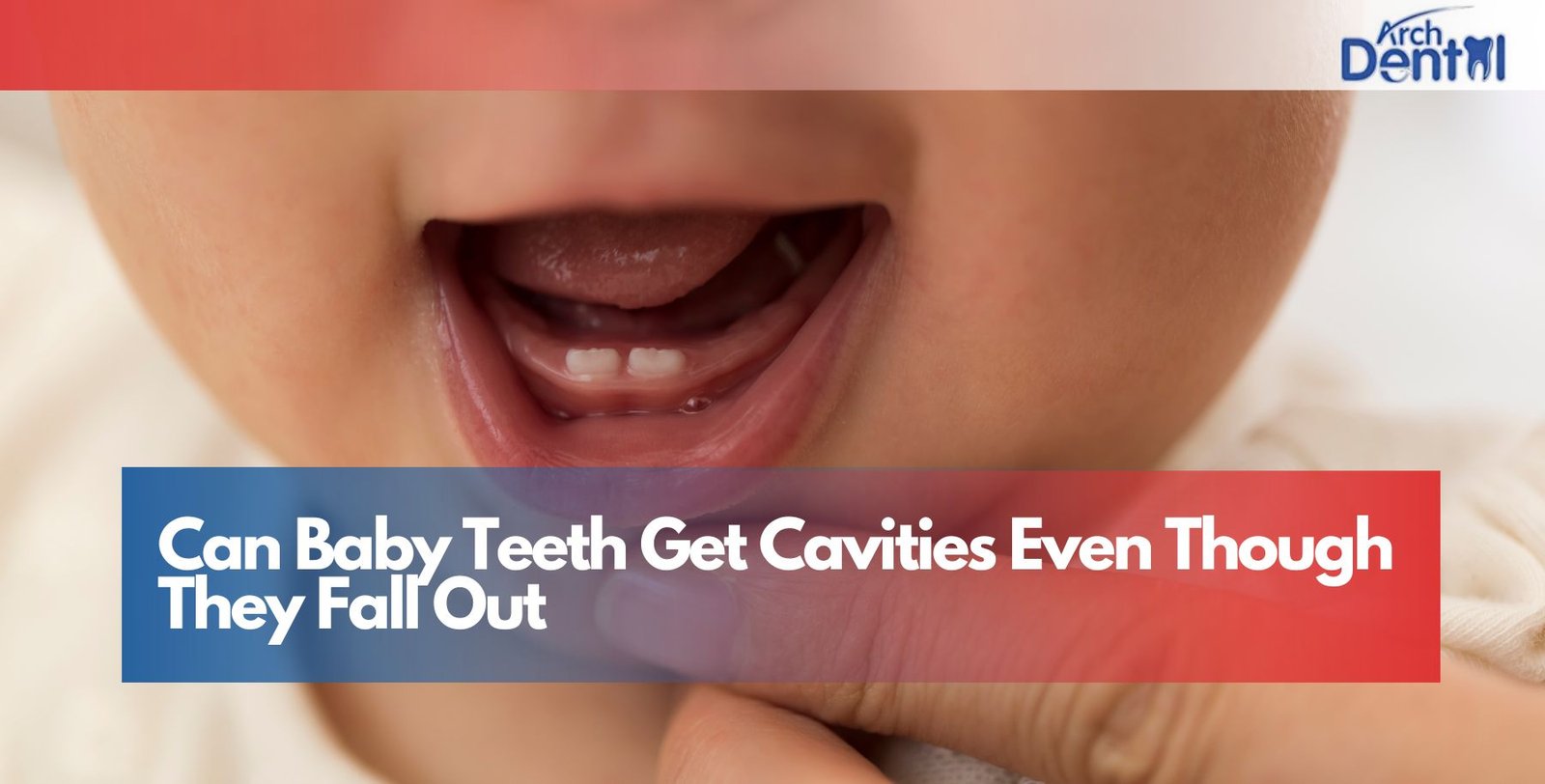
Many parents believe that baby teeth do not require much attention because they eventually fall out. This is one of the biggest myths in pediatric dentistry. Baby teeth absolutely get cavities, and these cavities can create long lasting problems for a child’s health, development, comfort and even the future alignment of permanent teeth. Understanding the importance of baby teeth, how cavities develop and what happens when they are ignored helps parents protect their children from preventable dental issues.
This guide explains everything parents need to know about cavities in baby teeth and why early dental care matters for lifelong oral health.
Why Baby Teeth Are Important
Baby teeth, also called primary teeth, are not just temporary placeholders. They play important roles in a child’s growth, development and confidence.
The Function of Primary Teeth
Primary teeth help children chew food properly so they can receive nutrition essential for healthy development. They support speech formation, allowing children to pronounce words correctly. These teeth guide permanent teeth into proper alignment by holding the correct spacing inside the jaw. They also contribute to a child’s confidence as they learn to smile, laugh and interact socially.
Most children get their first tooth around six months of age and usually have a full set of twenty primary teeth by age three. These teeth remain in the mouth for many years. Some baby molars do not fall out until a child is twelve or thirteen.
Why Baby Teeth Matter Even Though They Are Temporary
Baby teeth must stay healthy because premature loss can lead to long term problems. When a baby tooth is lost too early, the surrounding teeth may shift into the open space, causing crowding and misalignment. This often results in orthodontic treatment later in life.
Unhealthy or infected baby teeth may cause pain, trouble eating, difficulty sleeping, speech issues and self esteem challenges. Taking care of these teeth sets the foundation for strong oral health habits that continue into adulthood.
Baby Teeth Absolutely Get Cavities
Baby teeth can develop cavities just as easily as adult teeth. In fact, they may be more vulnerable because their enamel is thinner.
How Cavities Form in Baby Teeth
Cavities form when bacteria feed on sugars and carbohydrates left on the teeth. These bacteria produce acid that weakens and dissolves the enamel. Over time, this process creates holes called cavities.
Baby teeth are especially prone to decay because:
- They have thinner enamel
- Young children often snack frequently
- Many children resist brushing or cannot brush effectively
- Sugary drinks are common in toddler diets
- Oral bacteria are easily transmitted from parents and caregivers
Sharing spoons, kissing on the lips or cleaning a pacifier in an adult mouth transfers cavity causing bacteria to infants.
Early Childhood Caries
Early childhood caries is a severe form of tooth decay that commonly affects infants and toddlers. It develops when children fall asleep with bottles containing milk, juice or sweetened drinks. The liquid pools around the teeth and creates a constant acidic environment.
This condition can destroy several teeth rapidly and often requires significant dental treatment, including crowns or extractions. Preventing early childhood caries requires cleaning teeth after feeding and offering only water at bedtime.
Consequences of Untreated Cavities in Baby Teeth
Many parents believe cavities in baby teeth will not matter since the teeth will fall out anyway. This is a dangerous misconception.
Immediate Health Problems
Untreated cavities cause real pain. Children may stop eating, have difficulty sleeping, become irritable and struggle with daily activities. Severe cavities can lead to dental infections that may spread to the gums, face or other parts of the body. Abscesses can cause fever, swelling and serious health complications.
Children with untreated cavities often miss school and experience reduced quality of life compared to children with healthy teeth.
Impact on Permanent Teeth
When a baby tooth becomes infected, the bacteria and inflammation can damage the permanent tooth developing underneath. This may cause enamel defects, discoloration or irregular growth.
Losing a baby tooth too early can lead to shifting of nearby teeth, leaving little room for the permanent tooth to come in correctly. This increases the need for braces later.
Children who experience cavities early in life are also more likely to develop cavities as adults.
Effects on Speech and Development
Baby teeth are essential for proper speech development. Losing them too early may cause pronunciation problems. Children with visible dental issues may feel embarrassed or avoid smiling, affecting their confidence and social growth.
Dental pain and discomfort can also distract children from learning and development at school.
Common Causes of Cavities in Baby Teeth
Understanding what increases cavity risk helps parents take the right preventive steps.
Dietary Factors
Cavities thrive in sugary and acidic environments. Frequent consumption of juice, flavored milk, sweets, sticky snacks and processed foods increases cavity risk. Constant grazing throughout the day keeps acid levels high in the mouth.
Even breast milk and formula can contribute to decay if the teeth are not cleaned afterward, especially at night when saliva flow decreases.
Inadequate Oral Hygiene
Children cannot properly clean their own teeth until they are seven or eight years old. Parents must brush and floss for them. Not cleaning teeth from the moment the first tooth appears, skipping bedtime brushing or failing to floss increases the risk of cavities.
Transmission of Cavity Causing Bacteria
Babies acquire cavity causing bacteria from caregivers. Sharing utensils, kissing on the mouth or cleaning a pacifier with your own mouth transfers harmful bacteria directly to the child. Parents with poor oral health are more likely to pass these bacteria to their children.
Preventing Cavities in Baby Teeth
Cavities are largely preventable with proper habits and professional care.
Establishing Good Oral Hygiene Early
Begin cleaning your baby’s gums with a soft cloth even before teeth appear. Start brushing twice daily with a soft toothbrush as soon as the first tooth erupts. Use fluoride toothpaste in appropriate amounts for your child’s age.
Parents must supervise brushing until children show the skill and responsibility to do it correctly.
Introduce flossing as soon as two teeth touch each other.
Dietary Recommendations
Limit sugary foods and drinks. Offer water as the main beverage. Avoid giving children bottles or sippy cups with anything other than water between meals or at bedtime. Choose fresh fruits over juice and serve meals at regular times instead of allowing constant snacking.
Fluoride and Professional Dental Care
Fluoride strengthens enamel and protects against cavities. Your dentist may recommend fluoride treatments or supplements depending on your water supply.
Schedule your child’s first dental visit by age one. Regular visits help monitor growth, provide cleanings and detect early signs of decay.
Treating Cavities in Baby Teeth
Baby teeth with cavities must be treated to protect oral health and prevent complications.
Treatment Options
The treatment depends on the extent of the cavity. Small cavities often require simple fillings. Larger cavities may need crowns. If decay reaches the nerve, a pulpotomy may be necessary. Severely damaged teeth may require extraction and possibly a space maintainer to preserve proper tooth alignment.
Sedation for Young Children
Some children need sedation to complete dental treatment safely. Options include nitrous oxide, oral sedation or general anesthesia, depending on the child’s needs and the extent of treatment.
Special Considerations by Age
Children have different dental needs at every stage, so cavity prevention must be tailored to their age. Infants need gentle gum cleaning and healthy feeding habits. Toddlers require regular brushing with supervision. Older children need consistent dental checkups, flossing support and reinforcement of healthy habits to protect both baby teeth and emerging permanent teeth.
Infants and Toddlers
Focus on healthy feeding habits, early hygiene routines and avoiding sugary bedtime bottles. Schedule the first dental visit by age one.
Preschool and School Age Children
Continue supervised brushing, maintain dental checkups and teach children the importance of healthy habits. Sealants may be recommended for newly erupted permanent molars.
Long Term Benefits of Protecting Baby Teeth
Caring for baby teeth provides benefits that follow a child for life.
Foundation for Lifelong Oral Health
Children who develop healthy habits early are more likely to maintain them as adults. Positive early dental experiences also reduce dental anxiety later in life.
Economic and Practical Advantages
Preventing cavities is far less costly than treating them. Healthy teeth result in fewer missed school days, fewer dental emergencies and reduced need for orthodontic treatment caused by premature tooth loss.
Conclusion
Baby teeth can and do get cavities, and these cavities have serious consequences for a child’s health, comfort and development. Baby teeth guide proper chewing, speech, growth and alignment of permanent teeth. When cavities go untreated, they cause real pain, infections, nutritional issues and long term problems with the permanent teeth underneath. The positive news is that cavities in baby teeth are highly preventable through early oral hygiene, smart dietary habits and regular dental visits.
If you have questions about caring for your child’s smile or want professional guidance, consider visiting an experienced Dentist in Northampton MA who can provide gentle and comprehensive pediatric dental care. Healthy baby teeth help build strong habits, healthy permanent teeth and confident smiles that last a lifetime.