Tooth decay remains one of the most prevalent chronic diseases worldwide, affecting people of all ages despite being largely preventable. While most people understand that cavities are undesirable, fewer truly comprehend the biological processes underlying dental caries formation or recognize the multitude of factors contributing to their development. This knowledge gap often leads to ineffective prevention strategies and repeated cycles of decay, treatment, and recurrence. Understanding exactly why teeth decay from the microscopic bacterial processes to dietary influences, genetic factors, and lifestyle choices empowers you to implement targeted prevention strategies that address root causes rather than merely treating symptoms. When you comprehend how specific bacteria metabolize sugars to produce acids, how these acids demineralize enamel, and what conditions accelerate or slow this process, you can make informed decisions about oral hygiene, diet, fluoride use, and professional care that genuinely protect your teeth. This comprehensive exploration of tooth decay mechanisms provides the scientific foundation necessary for effective prevention, transforming abstract recommendations into meaningful practices based on clear understanding of cause and effect.
The Science Behind Tooth Decay
Understanding the biological and chemical processes that create cavities provides the foundation for all effective prevention strategies and helps explain why certain practices protect teeth while others damage them.
The Role of Oral Bacteria
Your mouth harbors hundreds of bacterial species forming complex ecosystems on tooth surfaces, gums, and tongue. While many oral bacteria are harmless or even beneficial, specific species including Streptococcus mutans and Lactobacillus are primary cavity culprits. These bacteria metabolize sugars and carbohydrates from your diet, producing lactic acid as a waste product. This acid lowers the pH in your mouth, creating an acidic environment that dissolves tooth enamel minerals. The bacteria organize into biofilms called dental plaque sticky, structured communities adhering to teeth that protect bacteria from saliva’s cleansing effects. Within plaque, bacteria thrive in close proximity to tooth surfaces where their acid production directly attacks enamel. Understanding that tooth decay is fundamentally a bacterial infection explains why antimicrobial strategies including proper cleaning and fluoride use effectively prevent cavities by disrupting bacterial communities.
The Demineralization and Remineralization Cycle
Tooth enamel consists primarily of hydroxyapatite crystals a calcium phosphate mineral that provides teeth’s hardness but is vulnerable to acid dissolution. Each time you eat or drink something containing sugars or acids, bacteria produce acids that begin dissolving these mineral crystals in a process called demineralization. During demineralization, calcium and phosphate ions leave the enamel surface, weakening the tooth structure. Between eating episodes, your saliva neutralizes acids and delivers minerals including calcium, phosphate, and fluoride back to tooth surfaces in a process called remineralization that repairs early damage. Healthy teeth experience constant cycling between demineralization and remineralization, with the balance determining whether decay progresses or teeth remain healthy. When demineralization outpaces remineralization due to frequent eating, inadequate saliva, insufficient fluoride, or poor oral hygiene net mineral loss occurs, eventually creating the cavity you see and feel.
How Cavities Actually Form
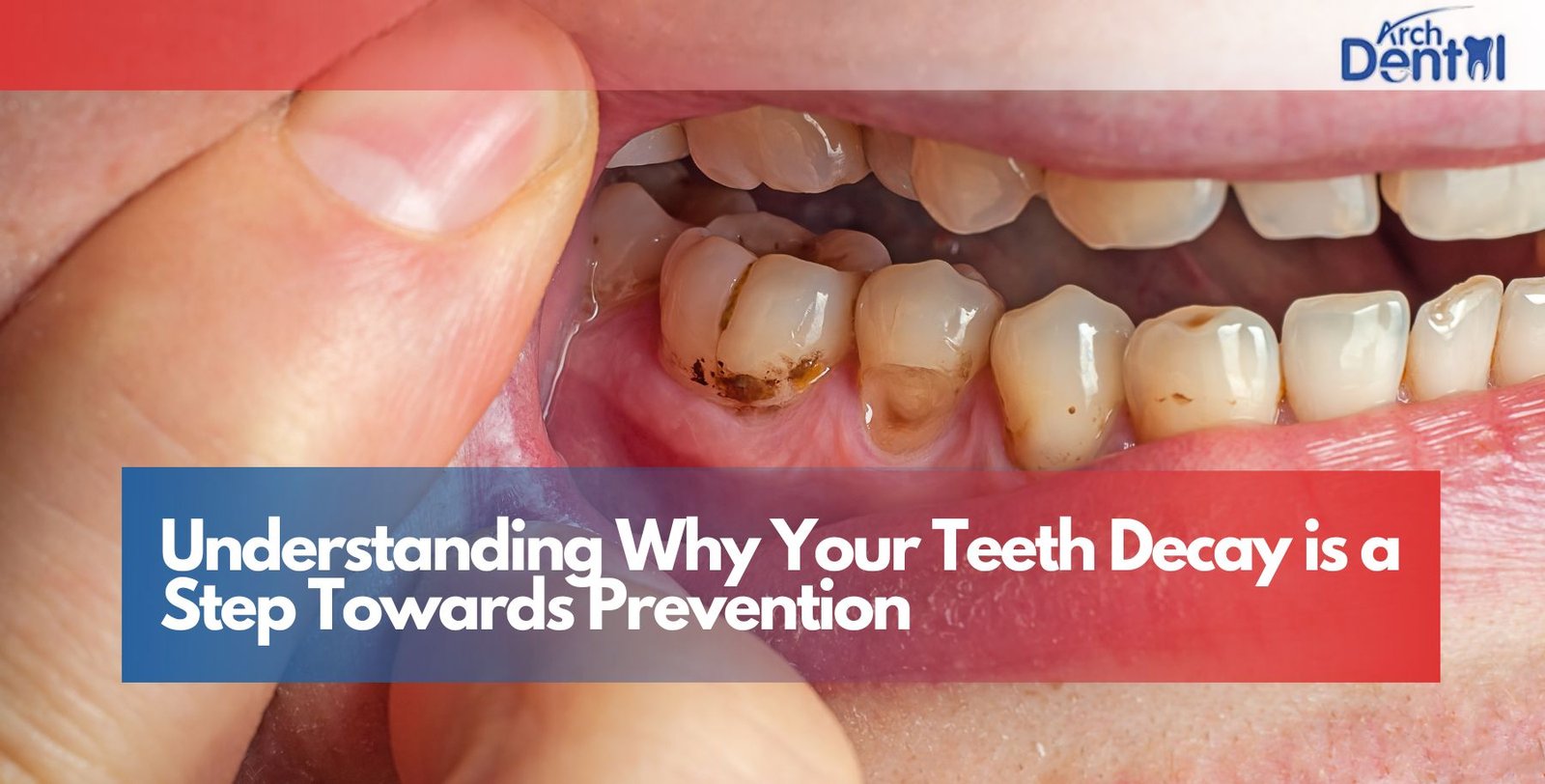
Cavity formation progresses through distinct stages from microscopic changes to visible holes requiring treatment. Initially, acid attacks create subsurface demineralization beneath an intact surface layer, appearing as chalky white spots indicating early decay. If the process continues without intervention, the surface layer eventually collapses, creating a cavity that penetrates into enamel. Once through enamel, decay advances more rapidly through the softer dentin layer beneath, which contains tubules leading toward the tooth’s nerve. As decay approaches the pulp chamber containing nerves and blood vessels, you experience sensitivity and eventually pain. The process accelerates as it progresses early white spot lesions may take months or years to become cavities, while decay through dentin can advance rapidly. Understanding this progression explains why early detection and intervention through regular dental exams catches decay when reversal or minimal treatment is possible.
The Acid Attack Timeline
The timing and duration of acid exposure significantly affects decay development. Immediately after consuming sugar, bacteria begin producing acid that lowers oral pH below the critical threshold where enamel dissolution occurs. This acidic period typically lasts 20-40 minutes after eating or drinking. During this time, your teeth are under active acid attack and demineralization. Frequent snacking or sipping sugary beverages creates nearly constant acid conditions where remineralization cannot keep pace with mineral loss. This explains why eating patterns matter as much as total sugar consumption three meals daily allows remineralization periods, while constant grazing maintains acidic conditions promoting decay. Understanding this acid attack timeline clarifies why limiting eating frequency, rinsing with water after meals, and chewing sugar-free gum to stimulate saliva all help prevent cavities by reducing acid exposure duration.
Individual Susceptibility Variations
Not everyone experiences tooth decay at the same rate despite similar behaviors, due to variations in individual susceptibility factors. Genetic differences affect enamel quality, tooth anatomy with deep grooves trapping plaque, and immune responses to oral bacteria. Saliva quality and quantity vary significantly some people produce abundant, mineral-rich saliva providing excellent protection, while others have limited saliva offering minimal defense. The specific bacterial strains colonizing your mouth differ between individuals, with some harboring more aggressive decay-causing species. Previous dental history matters, as existing fillings create margins where plaque accumulates and teeth with prior decay experience may have compromised structure. Understanding your personal risk factors helps you implement appropriately intensive prevention strategies high-risk individuals need more aggressive fluoride use, dietary restrictions, and professional monitoring than those naturally resistant to decay.
Major Contributing Factors to Tooth Decay
Multiple factors beyond bacteria and sugar contribute to cavity development, and understanding these influences enables comprehensive prevention addressing all risk elements rather than just one or two.
Dietary Sugars and Carbohydrates
Sugar consumption remains the single most significant modifiable risk factor for tooth decay. Bacteria metabolize all fermentable carbohydrates including table sugar (sucrose), fruit sugars (fructose), milk sugar (lactose), and starches that break down into simple sugars. Sticky, slow-dissolving sugars like caramels and dried fruits maintain elevated sugar levels longer than quickly consumed items. Frequency matters more than quantity sipping soda throughout the day causes more decay than drinking the same amount at once with a meal. Hidden sugars in processed foods, condiments, and beverages contribute significantly to decay without obvious awareness. Understanding sugar’s role explains why reducing consumption frequency, choosing less retentive forms, reading labels carefully, and combining sugary items with meals rather than consuming them as snacks all reduce decay risk effectively.
Acidic Foods and Beverages
Beyond bacterial acid production, dietary acids directly erode tooth enamel in a process called dental erosion distinct from but compounding bacterial decay. Sodas, sports drinks, and energy drinks combine high acidity with sugar, creating dual threats. Citrus fruits and juices are healthy nutritionally but highly acidic, requiring strategic consumption. Wine, particularly white wine, is very acidic and additional tannins in red wine can stain eroded teeth. Vinegar in salad dressings and pickled foods exposes teeth to acid. The problem intensifies when you brush immediately after acid exposure, as softened enamel is vulnerable to abrasion. Understanding acid threats explains prevention strategies including limiting acidic beverage consumption, using straws to minimize tooth contact, rinsing with water after acidic foods, waiting 30 minutes before brushing, and choosing less acidic alternatives when possible.
Oral Hygiene Effectiveness
While everyone knows brushing and flossing matter, understanding why and how clarifies proper technique and motivation. Plaque removal disrupts bacterial communities before they produce damaging acid levels, breaking the decay process’s first step. Brushing twice daily for two minutes provides adequate exposure time to fluoride in toothpaste while mechanically removing plaque. Flossing daily removes plaque and food from between teeth where 40% of tooth surfaces reside but brushes cannot reach. Technique matters as much as frequency ineffective brushing that misses the gum line or inside surfaces leaves decay-causing plaque intact. Electric toothbrushes often outperform manual brushing by ensuring adequate time and effective motion. Understanding that oral hygiene physically disrupts bacterial plaque explains why perfect technique targeting all surfaces matters and why shortcuts leave vulnerable areas prone to decay.
Saliva Quality and Dry Mouth
Saliva serves multiple protective functions against tooth decay that become apparent when production diminishes. It mechanically cleanses teeth and dilutes acids, physically washing away food particles and bacterial acids. Buffering capacity neutralizes acids, raising pH back to safe levels where remineralization occurs. Mineral content provides calcium and phosphate for remineralization while fluoride in saliva strengthens enamel. Antimicrobial proteins inhibit bacterial growth, limiting decay-causing species populations. Dry mouth (xerostomia) from medications, medical conditions, mouth breathing, or aging removes these protections, dramatically increasing decay risk. Understanding saliva’s crucial role explains why staying hydrated, stimulating saliva with sugar-free gum, using saliva substitutes, addressing medication-induced dry mouth, and treating underlying conditions are essential for high-risk dry mouth patients whose lack of saliva removes natural cavity protection.
Fluoride Exposure and Deficiency
Fluoride’s protective mechanisms operate at multiple levels, making adequate exposure essential for decay prevention. Systemic fluoride consumed during tooth development incorporates into enamel structure, creating fluorapatite crystals more resistant to acid than natural hydroxyapatite. Topical fluoride from toothpaste, mouthwash, and professional applications strengthens enamel surfaces throughout life regardless of developmental exposure. Fluoride in saliva and plaque fluid shifts the demineralization-remineralization balance toward remineralization, repairing early damage before cavities form. Antibacterial effects reduce bacteria’s acid production and disrupt plaque formation. Fluoride deficiency, whether from inadequate exposure or living in non-fluoridated areas without compensating through dental products, removes these multilayered protections. Understanding fluoride’s mechanisms explains why using fluoride toothpaste twice daily, considering fluoride mouthwash for high-risk individuals, professional fluoride treatments, and fluoridated water where available collectively provide robust cavity protection.
Lifestyle and Behavioral Influences
Beyond immediate dietary and hygiene factors, broader lifestyle choices and behaviors significantly impact tooth decay risk through mechanisms that may not be immediately obvious.
Eating Patterns and Meal Timing
The frequency and timing of eating influences decay development as significantly as what you eat. Three structured meals with limited snacking allows extended periods where saliva neutralizes acids and remineralizes teeth between eating episodes. Constant grazing or frequent snacking maintains acidic conditions preventing adequate remineralization time. Bedtime eating or drinking anything besides water is particularly harmful because saliva production decreases during sleep, eliminating protective buffering and cleansing during the long overnight period. Sipping beverages slowly over hours bathes teeth in continuous sugar or acid exposure versus quickly consuming the same drink. Understanding this explains why consolidating eating into distinct meals, avoiding between-meal snacks especially on sugary or acidic foods, finishing eating at least an hour before bed, and drinking water between meals effectively reduces cavity risk by maximizing remineralization time.
Smoking and Tobacco Use
Tobacco use significantly increases tooth decay risk through multiple pathways. Smoking reduces saliva production, removing crucial protective effects against acid and bacteria. Tobacco compromises immune function, reducing your body’s ability to control oral bacteria populations. Gum disease from smoking causes recession, exposing vulnerable root surfaces more susceptible to decay than enamel-covered crowns. Oral tissue damage creates environments where bacteria thrive unchecked. Smokeless tobacco products often contain added sugars, directly feeding decay-causing bacteria while tobacco’s effects compound damage. Understanding tobacco’s multifaceted harm explains why quitting smoking or tobacco use dramatically reduces cavity risk while improving overall oral and systemic health, making cessation one of the most impactful health decisions affecting your teeth.
Stress and Its Oral Health Impact
Chronic stress affects tooth decay risk through several mechanisms often overlooked in prevention discussions. Stress-induced clenching or grinding creates microcracks in enamel where bacteria penetrate more easily. Stress commonly leads to poor dietary choices including increased sugar consumption and comfort eating behaviors that increase decay risk. Neglected oral hygiene during stressful periods allows plaque accumulation and bacterial proliferation. Stress can cause or worsen dry mouth by affecting saliva production or leading to mouth breathing. Immune suppression from chronic stress reduces your body’s ability to control oral bacteria. Understanding these connections explains why stress management through exercise, adequate sleep, relaxation techniques, and healthy coping mechanisms constitutes legitimate tooth decay prevention by addressing factors that compromise your oral defenses.
Medications and Medical Conditions
Numerous medications and medical conditions increase tooth decay risk, making awareness essential for high-risk individuals. Over 400 common medications cause dry mouth as a side effect, including antidepressants, antihistamines, blood pressure medications, and pain relievers. Conditions like diabetes elevate blood sugar levels creating favorable environments for bacteria while compromising immune function and healing. Eating disorders involving frequent vomiting expose teeth to stomach acid causing severe erosion while poor nutrition affects enamel development. Acid reflux disease bathes teeth in stomach acid during episodes. Autoimmune conditions like Sjögren’s syndrome dramatically reduce saliva production. Understanding these connections explains why discussing dental implications with physicians, seeking medication alternatives when possible, implementing aggressive prevention for high-risk conditions, and more frequent dental monitoring protects teeth when medical factors increase vulnerability.
Age-Related Considerations
Tooth decay risk and patterns change throughout life due to physiological and behavioral factors at different ages. Children face high risk during tooth eruption when newly emerged teeth haven’t fully mineralized and dietary habits often include frequent snacks and sugary drinks. Teenagers experience increased risk from dietary independence, inadequate hygiene during rebellious phases, and orthodontic appliances trapping plaque. Young adults often neglect dental care due to busy schedules and feeling invulnerable to health problems. Middle-aged adults accumulate risk from decades of dietary patterns, existing dental work creating vulnerable margins, and potentially beginning medication use affecting saliva. Seniors face heightened risk from medication-induced dry mouth, gum recession exposing root surfaces, physical limitations affecting hygiene, and cognitive changes impacting care consistency. Understanding age-specific vulnerabilities allows tailoring prevention strategies appropriately throughout life rather than applying one-size-fits-all approaches.
Implementing Effective Prevention Strategies
Translating understanding of decay mechanisms into practical prevention requires comprehensive strategies addressing multiple contributing factors simultaneously for maximum effectiveness.
Creating a Comprehensive Oral Hygiene Routine
Effective daily hygiene forms the foundation of decay prevention, requiring consistency and proper technique. Brush twice daily for two full minutes using fluoride toothpaste and proper technique reaching all tooth surfaces, particularly the gum line where plaque accumulates. Floss once daily using proper technique that cleans beneath the gum line and along tooth sides where brushes cannot reach. Use fluoride mouthwash after brushing for additional fluoride exposure and antibacterial protection. Clean your tongue to reduce overall bacterial load in your mouth. Replace toothbrushes every three months or when bristles fray since worn brushes clean ineffectively. Understanding that each component addresses specific aspects of decay development mechanical plaque removal, fluoride strengthening, bacterial reduction explains why comprehensive routines outperform partial compliance.
Strategic Dietary Modifications
Nutrition choices directly influence decay risk, making dietary modifications powerful prevention tools. Limit sugar consumption by reading labels, choosing unsweetened alternatives, and reserving sweets for occasional treats rather than daily habits. Reduce eating frequency by planning structured meals with limited between-meal snacking, allowing remineralization time. Choose tooth-friendly snacks including cheese, nuts, raw vegetables, and sugar-free options when hunger strikes between meals. Drink water throughout the day rather than juice, soda, or other sugary beverages, using water to rinse after eating when brushing isn’t possible. End meals with cheese or milk which neutralize acids and provide calcium for remineralization. Understanding how each food choice affects oral pH and bacterial activity transforms dietary guidelines from arbitrary restrictions into logical choices supporting your teeth.
Maximizing Fluoride Benefits
Fluoride exposure through multiple sources provides layered protection against tooth decay. Use fluoride toothpaste twice daily, ensuring it contains at least 1000ppm fluoride for adults and appropriate concentrations for children. Don’t rinse after brushing, instead spitting excess paste to leave fluoride coating your teeth. Consider fluoride mouthwash for additional exposure, particularly beneficial for high-risk individuals. Drink fluoridated water where available, or use fluoride supplements if living in non-fluoridated areas, especially for children during tooth development. Schedule professional fluoride treatments at dental appointments, typically every 6-12 months depending on risk level. Prescription fluoride products including high-concentration toothpaste may benefit very high-risk patients. Understanding that fluoride works through multiple mechanisms requiring consistent exposure explains why comprehensive fluoride strategies outperform sporadic use.
Regular Professional Dental Care
Professional monitoring and intervention catches problems early when prevention or minimal treatment suffices. Schedule examinations every six months or more frequently if your dentist recommends based on decay history and risk factors. Professional cleanings remove tartar (hardened plaque) that brushing cannot eliminate, disrupting bacterial communities at the gum line. Early decay detection through examinations and X-rays identifies problems when remineralization might reverse them or when small fillings suffice rather than extensive treatment. Dental sealants on back teeth provide physical barriers preventing bacteria from colonizing deep grooves and fissures where decay commonly begins. Personalized prevention guidance from dental professionals addresses your specific risk factors and challenges with tailored strategies. Understanding that professional care complements rather than replaces home care explains why both are essential components of comprehensive prevention.
Monitoring and Adapting Your Approach
Prevention requires ongoing evaluation and adjustment as circumstances, risk factors, and effectiveness change over time. Assess your results by tracking cavity development—lack of new decay indicates effective prevention while recurring cavities signal needed changes. Identify pattern changes in your life including new medications, dietary shifts, stress levels, or health conditions that might affect decay risk. Communicate with your dentist about challenges you face implementing recommendations, allowing problem-solving rather than abandoning strategies. Adjust intensity based on outcomes—if developing cavities despite current efforts, intensify fluoride use, dietary restrictions, or cleaning frequency rather than assuming prevention doesn’t work. Celebrate successes like cavity-free check-ups to reinforce effective behaviors making long-term adherence more sustainable. Understanding that prevention is dynamic rather than static helps you maintain effectiveness throughout life as circumstances evolve.
Conclusion
Understanding why teeth decay from bacterial acid production and the demineralization-remineralization cycle to dietary influences, saliva’s protective functions, fluoride’s mechanisms, and lifestyle factors affecting your oral environment—transforms vague recommendations into meaningful strategies with clear purpose. This comprehension reveals that tooth decay is not inevitable but rather results from specific, modifiable conditions and behaviors that effective prevention can control. The multifactorial nature of decay explains why comprehensive prevention addressing bacteria through hygiene, reducing sugar and acid exposure through diet, maximizing fluoride benefits, ensuring adequate saliva, and implementing healthy lifestyle behaviors outperforms single-factor approaches focusing only on brushing or diet alone. Individual susceptibility variations mean that prevention strategies should be personalized based on your specific risk factors, medical conditions, behaviors, and previous decay history rather than applying generic recommendations identically to everyone. The biological reality that early decay is reversible through remineralization emphasizes the critical importance of regular professional monitoring catching problems when non-invasive interventions suffice rather than waiting until cavities require drilling and filling. Most powerfully, understanding decay mechanisms empowers you to make informed daily choices whether eating, drinking, cleaning your teeth, or managing stress based on clear knowledge of how each decision affects your oral health rather than blindly following rules without comprehension. For personalized decay risk assessment, professional guidance implementing evidence-based prevention strategies tailored to your specific needs, early detection when problems develop, and ongoing support maintaining the oral health essential for overall wellbeing, consult with an experienced Dentist in Northampton, MA who can partner with you in applying this understanding toward the practical goal of maintaining your natural teeth cavity-free throughout your life.