Wisdom teeth are the final set of molars that emerge, usually between ages 17 and 25. For some people, these teeth grow smoothly and never cause trouble. But for many others, wisdom teeth create ongoing problems such as pain, swelling, pressure, and infection. Because wisdom teeth sit so far back in the mouth and often erupt incorrectly, they become one of the most common sources of dental infections in adults.
Understanding why infections happen, how to spot the early signs, and what treatments are available helps you protect your oral health and avoid complications. This detailed guide explains everything you need to know.
What Makes Wisdom Teeth So Prone to Infection?
Wisdom teeth often do not have enough room to grow. When they erupt partially or become trapped under the gums, they create the perfect environment for bacteria. These bacteria become trapped beneath the gum tissue, causing inflammation and infection.
Impacted Wisdom Teeth and Hidden Bacteria
When a wisdom tooth is impacted, it remains stuck beneath the gum or bone. This trapped position prevents proper cleaning and increases the risk of infection. Bacteria collect around the tooth, irritate the surrounding tissue, and lead to swelling, pressure, and pain.
Partial Eruption and Gum Flaps
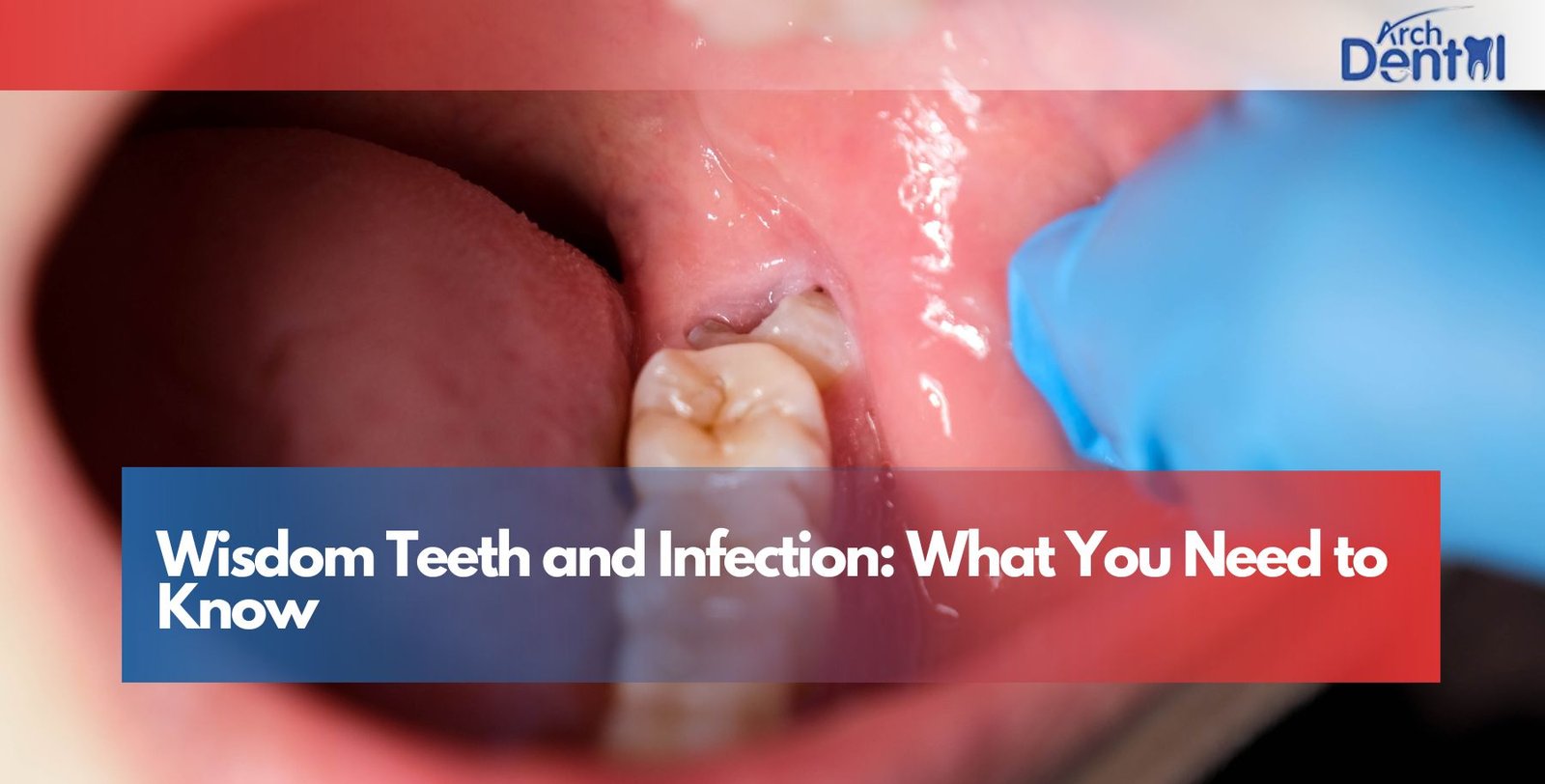
Many wisdom teeth erupt halfway and create a loose flap of gum tissue over the tooth. Food particles, sugary drinks, and bacteria easily slip underneath this flap. Because the area is difficult to clean, the infection worsens each day. This condition is known as pericoronitis, a very common type of infection associated with wisdom teeth.
Deep Position in the Mouth Makes Cleaning Hard
Even for people with excellent brushing and flossing habits, wisdom teeth remain hard to reach. Their position at the back of the jaw means plaque and food debris are more likely to stay behind, slowly irritating the gums until infection develops.
The Most Common Symptoms of an Infected Wisdom Tooth
A wisdom tooth infection may start as mild soreness but quickly progress into severe pain or swelling. Many patients don’t realize how serious the problem is until new symptoms begin appearing.
Pain That Spreads Beyond the Tooth
Pain from an infected wisdom tooth often radiates into the jaw, ear, or neck. It may feel sharp, throbbing, or dull, and may worsen when chewing or speaking.
Swollen, Tender, or Bleeding Gums
The gums around the wisdom tooth typically become red, swollen, and highly sensitive. You may notice bleeding when brushing or trying to clean near the area.
Persistent Bad Breath or Bad Taste
Infection produces a foul odor, and trapped bacteria create a noticeable bad taste in the mouth. This symptom is usually one of the earliest warning signs.
Difficulty Opening the Mouth
Some people experience jaw stiffness or trouble opening wide, especially in severe infections. This happens when the inflammation affects the surrounding muscles.
Fever or General Fatigue
When the body fights infection, it may respond with fever, swollen lymph nodes, or a feeling of overall tiredness. This means the infection is spreading and requires immediate dental attention.
Types of Wisdom Tooth Infections and What They Mean
An infection involving wisdom teeth can take several forms. Understanding the type helps determine the most effective treatment.
Pericoronitis – Infection of the Gum Tissue
This occurs when bacteria build up under the gum flap that covers a partially erupted wisdom tooth. The area becomes swollen, painful, and difficult to clean. If untreated, it can spread into the throat or cheeks.
Infection from an Impacted Wisdom Tooth
An impacted wisdom tooth may press against neighboring teeth or irritate the gum tissue beneath it, triggering infection. Because the tooth never fully erupts, bacteria remain trapped in deep, unreachable areas.
Tooth Abscess – A More Serious Concern
If bacteria reach the center of the tooth, they can create an abscess, causing severe pain, pus formation, and swelling. Abscesses must be treated quickly to prevent the infection from spreading through the jaw or bloodstream.
Why Ignoring a Wisdom Tooth Infection Is Dangerous
A wisdom tooth infection is not something that gets better on its own. It may temporarily feel better, but without treatment, it always returns and usually worse.
Gum Damage and Bone Loss
Infection weakens the surrounding gums and may spread to the bone supporting the tooth. Over time, this damages the jaw and increases the likelihood of tooth loss.
Spread of Infection Beyond the Mouth
Serious infections can spread into the throat, cheeks, or sinuses. In rare cases, untreated infections can become life-threatening if bacteria enter the bloodstream.
Long-Term Oral Health Complications
Chronic infections can affect your bite, shift other teeth, and contribute to recurring pain or swelling. Removing or treating the wisdom tooth early prevents these complications.
How Dentists Diagnose Wisdom Teeth Infections
A proper diagnosis includes a careful exam and imaging. Dentists look at gum health, bone level, and tooth position before deciding on treatment.
Visual Examination and Symptom Review
Your dentist checks for swollen gums, redness, drainage, and tenderness around the tooth. They also discuss your symptoms to determine severity.
X-Rays for Impacted or Problematic Teeth
X-rays show whether the tooth is impacted, sideways, or pressing against another tooth. They also reveal cysts, bone loss, or abscesses.
Determining the Best Treatment Path
Depending on the infection, your dentist may choose cleaning, antibiotics, extraction, or a combination of treatments to relieve pain and prevent recurrence.
Treatment Options for Wisdom Tooth Infection
Treatment depends on the type and severity of the infection. Some cases require immediate relief, while others need long-term solutions.
Antibiotics to Control Bacterial Growth
Dentists often prescribe antibiotics to reduce swelling and stop the infection from spreading. These medications help prepare the tooth for potential extraction if needed.
Deep Cleaning of the Infected Area
For pericoronitis, the dentist carefully cleans beneath the gum flap to remove trapped bacteria and food debris. This provides quick relief and reduces inflammation.
Extraction of the Wisdom Tooth
Removing the tooth is often the most effective way to eliminate infections and prevent future problems. Extraction may be simple or surgical depending on the tooth’s position.
Draining Abscesses When Needed
If pus has formed, drainage may be required before other treatments can begin. This helps relieve pressure and promotes healing.
Home Remedies for Temporary Comfort Before Treatment
These methods only provide short-term relief. Professional treatment is still necessary.
Warm Saltwater Rinses
Saltwater helps reduce bacterial activity and soothe the inflamed area. Rinse several times throughout the day.
Cold Compress on the Cheek
A cold pack reduces swelling and numbs pain temporarily.
Over-the-Counter Pain Medications
Pain relievers such as ibuprofen help control inflammation and discomfort.
Soft Foods and Extra Careful Chewing
Avoid chewing on the affected side to reduce irritation until treatment is completed.
How to Prevent Wisdom Tooth Infections from Returning
Good prevention habits make infections less likely, especially if the wisdom teeth have not yet been removed.
Consistent Oral Hygiene
Brush carefully around the back molars, floss daily, and clean your tongue to reduce bacteria.
Regular Dental Visits
Routine checkups allow your dentist to identify early warning signs of wisdom tooth problems before infection occurs.
Removing Wisdom Teeth Proactively
Many dentists recommend removing wisdom teeth early—before they become infected or impacted. Early removal typically results in easier recovery and fewer long-term issues.
Rinsing After Meals
If the tooth is partially erupted, rinsing helps remove food trapped under the gum flap.
Conclusion
Wisdom tooth infections can be painful, disruptive, and dangerous if ignored. They often start with soreness or swelling but can quickly turn into serious infections that affect your jaw, gums, and overall health. Understanding the signs, causes, and treatment options allows you to act early and prevent complications. Whether you’re dealing with mild discomfort or severe swelling, timely care is essential.
For proper diagnosis, gentle treatment, and infection management, schedule a visit with a Dentist in Northampton, MA who can help restore your comfort and protect your long-term oral health.
FAQs
Can a wisdom tooth infection heal without treatment?
No. It may feel better temporarily, but the infection will return unless the underlying cause is treated.
How long does swelling last with an infected wisdom tooth?
Swelling may last several days until antibiotics or dental treatment reduces the infection.
Is it necessary to remove the wisdom tooth if it’s infected?
In many cases, yes. Removal prevents repeated infections and protects nearby teeth.
What does an infected wisdom tooth feel like?
Pain, swelling, bad breath, jaw stiffness, and a bad taste are common symptoms.
Can wisdom tooth infections spread to the rest of the body?
Yes. Severe infections can spread to the throat, cheeks, or bloodstream, which is why early treatment is critical.
At what age do wisdom teeth usually cause problems?
Most issues occur between ages 17 and 25, but infections can happen at any age.