
A root canal treatment is one of the most effective procedures for saving a damaged or infected tooth. Although the treatment has a reputation for being intimidating, modern dentistry has made it comfortable, predictable, and highly successful. When tooth pulp becomes infected due to decay, cracks, trauma, or deep fillings, a root canal removes the infection and restores the natural tooth so it can function normally for many years.
This guide breaks down everything you need to know—symptoms, process, benefits, recovery, risks, and long-term maintenance—to help you understand how a root canal protects your oral health.
Understanding What a Root Canal Is and Why It’s Needed
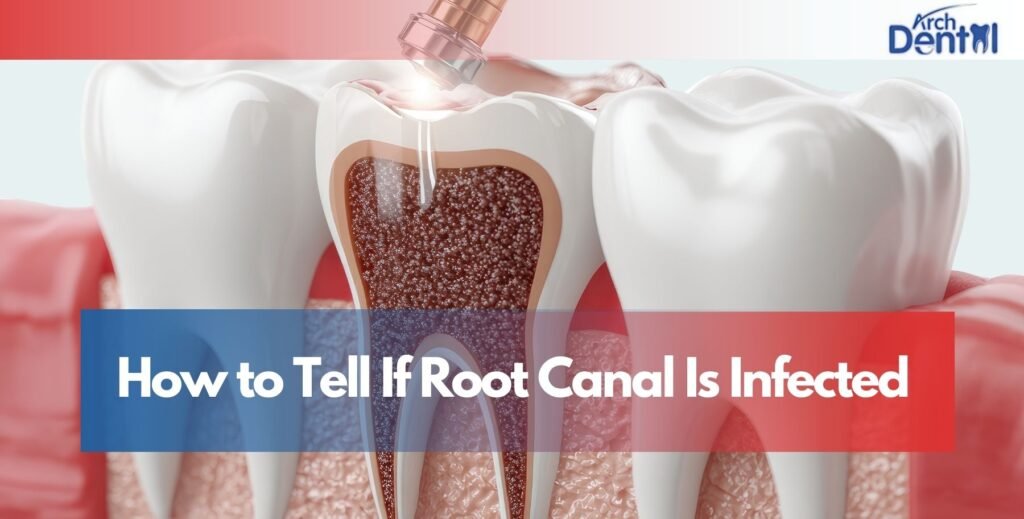
A root canal treats infection inside the tooth’s pulp chamber and canals. When bacteria reach the nerve tissue, inflammation develops and causes pain, sensitivity, or swelling. The goal of treatment is to eliminate infection, preserve the tooth, and prevent extraction.
What Happens Inside the Tooth When Infection Develops
Inside each tooth is soft pulp containing nerves and blood vessels. When bacteria reach this pulp, the tissue becomes inflamed and painful. Without treatment, infection spreads to the bone and surrounding tissues, creating abscesses and impacting overall health.
Why Root Canal Treatment Saves Your Natural Tooth
A root canal treatment removes infected pulp, cleans the canals, and seals the tooth. Preserving your natural tooth is always preferred because it maintains bite alignment, chewing strength, and jawbone stability better than artificial replacements.
Signs You May Need a Root Canal
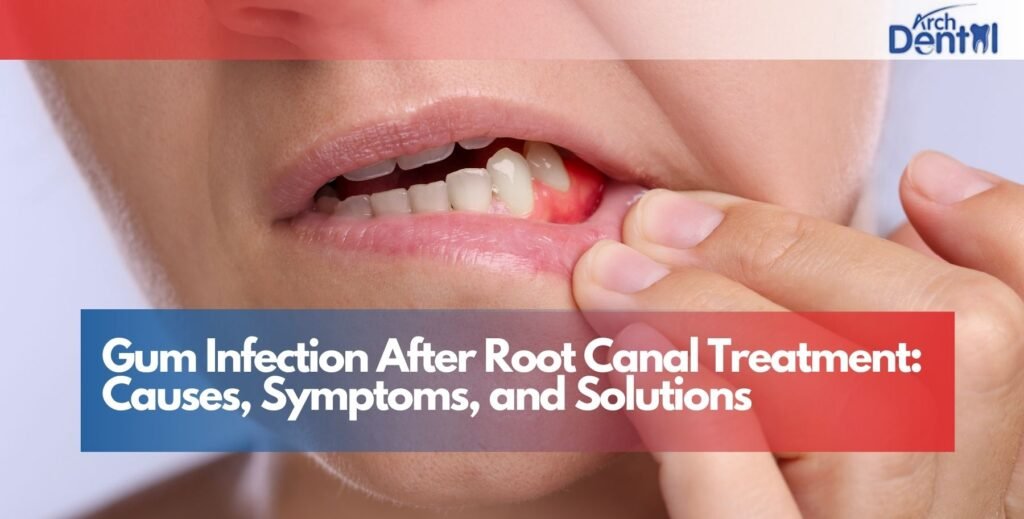
Common symptoms include lingering toothache, swelling, heat sensitivity, cold sensitivity, gum tenderness, or a pimple-like bump on the gums. Sometimes, no symptoms appear until the infection becomes advanced, making early diagnosis important.
Common Causes of Tooth Infection That Lead to Root Canal Treatment
Tooth infections often have predictable causes. Understanding these triggers helps prevent future issues and improves long-term dental health.
Deep Tooth Decay From Cavities
When cavities grow large, bacteria travel deeper into the tooth, reaching the nerve chamber. This results in inflammation and infection that cannot be resolved with a simple filling, requiring root canal therapy to eliminate the bacteria.
Cracked or Fractured Teeth
Cracks allow bacteria to enter the inner layers of the tooth. Even small fractures can expose the pulp, leading to infection. Root canal treatment removes infection and stabilizes the tooth, often with a protective crown.
Injury or Trauma to the Tooth
Sports injuries, falls, or biting hard objects can damage pulp without visible cracks. If the nerve becomes injured or dies, a root canal is needed to prevent infection and preserve the tooth.
The Root Canal Procedure Explained Step-by-Step
A modern root canal is typically no more uncomfortable than getting a dental filling. Dentists use advanced tools, digital imaging, and anesthesia to ensure a smooth and efficient process.
Step 1 – Diagnostic Exam and X-Rays
Your dentist begins with digital X-rays to assess the tooth structure and identify infected areas. This allows precise planning for your treatment and helps determine the number of canals and the extent of the infection.
Step 2 – Local Anesthesia for Comfort
A local anesthetic numbs the area completely, so you remain comfortable throughout the procedure. Most patients feel pressure but no pain during treatment.
Step 3 – Cleaning Out the Infected Pulp
A small opening is made in the tooth to access and remove infected tissue. Special tools are used to clean and disinfect the root canals thoroughly, eliminating bacteria and preventing further infection.
Step 4 – Filling and Sealing the Canals
Once cleaned, the canals are filled with a biocompatible material called gutta-percha. This seals the canals and prevents bacteria from reentering the tooth.
Step 5 – Restoring the Tooth With a Crown
Most treated teeth require a crown for strength and protection. A crown restores natural function, appearance, and chewing stability, helping the tooth last many years.
Is Root Canal Treatment Painful? Understanding What to Expect
Many patients fear root canals because of outdated myths, but modern dentistry makes the experience comfortable and predictable.
Local Anesthesia Eliminates Procedure Pain
With current anesthetic techniques, root canal procedures are typically painless. You may feel vibrations or pressure, but no sharp pain. Most patients say treatment feels similar to a filling.
Post-Treatment Tenderness Is Normal
After treatment, mild soreness for a few days is common. Over-the-counter pain relievers usually manage discomfort well. This tenderness occurs because surrounding tissues are healing from inflammation.
When Pain May Indicate a Problem
If pain worsens instead of improving, or if swelling develops after treatment, this may suggest lingering infection. Contact your dentist promptly for evaluation and retreatment if needed.
Benefits of Root Canal Treatment for Long-Term Oral Health
Root canal therapy offers several important benefits beyond simple pain relief. Saving your natural tooth supports oral and overall health long term.
Preserves Your Natural Tooth Structure
Keeping your natural tooth prevents shifting of nearby teeth, uneven bite pressure, and jawbone loss. This helps maintain comfort, chewing ability, and facial structure.
Stops Spread of Infection
A root canal removes bacteria at the source, protecting surrounding teeth and preventing systemic spread. This reduces risks of abscesses and serious oral infections.
Provides Long-Lasting Restoration Results
With a crown and good home care, a root canal treated tooth can last decades. Many patients keep their treated tooth for life with proper hygiene.
Root Canal vs. Tooth Extraction: Why Saving the Tooth Matters
Many patients wonder whether it is better to remove the tooth instead of having a root canal. Saving the natural tooth is almost always the better choice.
Root Canals Maintain Natural Chewing Strength
An extracted tooth reduces bite force and may make chewing uncomfortable. A restored tooth maintains normal function and feels natural while eating.
Extractions Cause Tooth Shifting
When a tooth is removed, surrounding teeth drift into the space. This can affect your bite, cause misalignment, and even trigger jaw discomfort.
Replacement Options Cost More Than Root Canal Therapy
To replace a missing tooth, options like dental implants, bridges, or dentures are needed—all of which cost more than root canal treatment and require more appointments.
How to Prepare for Your Root Canal Appointment
Good preparation helps your treatment go smoothly and ensures a comfortable experience during and after the procedure.
Eat Before Your Appointment if Allowed
Unless sedation is used, patients should eat normally before treatment. Proper nutrition supports healing and prevents light-headedness afterward.
Take Prescribed Medications From Your Dentist
If your tooth is severely infected, your dentist may recommend antibiotics. Taking them as instructed helps reduce swelling and makes the treatment smoother.
Ask Questions to Feel More Confident
Understanding your procedure reduces anxiety and helps you feel more prepared. Your dentist can explain each step to help ease any concerns.
What to Expect After a Root Canal: Recovery and Aftercare
Healing is usually quick and easy, especially with proper aftercare. Most patients return to regular activities the same day.
Mild Sensitivity Is Normal During Healing
Your tooth and surrounding tissues may feel tender for a few days. This sensitivity gradually decreases as inflammation subsides.
Avoid Chewing on the Treated Side
Until the final crown is placed, avoid chewing hard foods on the treated tooth. This prevents cracks or pressure on the temporary filling.
Follow Up for Crown Placement
A permanent crown protects the tooth and prevents reinfection. Completing this step is essential for long-term success of the root canal treatment.
Possible Complications and How to Avoid Them
While root canals are highly successful, complications can occur if the tooth is not properly restored or if infection persists.
Reinfection From Missed Canals
Some teeth have complex canal systems. Rarely, bacteria remain in hidden canals, requiring retreatment to fully resolve infection.
Cracked Tooth After Treatment
Without a crown, the tooth becomes more vulnerable to cracking. Restoring the tooth promptly greatly reduces this risk.
Persistent Pain or Swelling
If symptoms remain after two weeks, your dentist should evaluate the tooth. Early intervention prevents larger issues.
How Long Does a Root Canal Last? Understanding Tooth Longevity
Root canals have excellent long-term success rates when properly restored and maintained through regular dental care.
Most Root Canal Treated Teeth Last a Lifetime
With a crown and strong oral hygiene habits, treated teeth remain stable for decades. Failure is rare when good care continues.
Annual Dental Visits Help Protect the Tooth
Routine exams help your dentist detect any changes in the tooth or surrounding gum tissues. Minor issues can be corrected early.
Good Home Care Extends Tooth Life
Brushing, flossing, and fluoride use strengthen enamel and prevent new decay around the restored tooth.
Cost of Root Canal Treatment: What Factors Influence Pricing?
Costs vary depending on the type of tooth, complexity of infection, and need for additional treatments such as crowns or imaging.
Molars Cost More Due to Complex Anatomy
Molars have multiple canals, making treatment more involved. Their root structures require specialized techniques and more chair time.
Crowns Add to the Total Cost
Most root canal teeth need crowns for strength. The cost of the crown is separate but essential for long-term success.
Dental Insurance Often Covers a Portion
Insurance tends to cover root canal therapy because it is necessary for oral health. Coverage varies, but many plans reduce the total cost significantly.
Maintaining Oral Health After Root Canal Treatment
Consistent dental habits protect the treated tooth and reduce the chance of additional infections.
Brush Twice Daily With Fluoride Toothpaste
Fluoride strengthens enamel and allows better protection from decay. Cleaning thoroughly reduces risk around the treated tooth.
Floss Daily to Protect Gum Health
Removing plaque between teeth prevents bacteria from spreading into treated areas. Flossing keeps gum tissues firm and healthy.
Follow Routine Dental Cleanings
Regular cleanings remove plaque and bacteria that brushing leaves behind. These visits prevent gum disease and extend the life of the tooth.
Conclusion
A root canal treatment is a safe, effective, and comfortable procedure that saves your natural tooth and eliminates painful infection. Understanding the process, benefits, recovery, and long-term care helps you feel confident and prepared before treatment. With proper restoration and strong home habits, a root-canal-treated tooth can last a lifetime.
For expert guidance and personalized care, visit a trusted Dentist in Northampton, MA.