A confident smile plays a major role in how people feel about their appearance. Discolored, chipped, uneven, or worn teeth can affect self-esteem and social confidence. Dental veneers are one of the most popular cosmetic dentistry solutions for transforming smiles quickly and naturally. They are designed to enhance tooth shape, color, and alignment while preserving much of the natural tooth structure.
This guide explains what veneers are, how they work, and why so many patients choose them as a long-term cosmetic solution. Understanding the basics helps you decide whether veneers may be the right option for your smile goals.
What Are Dental Veneers?
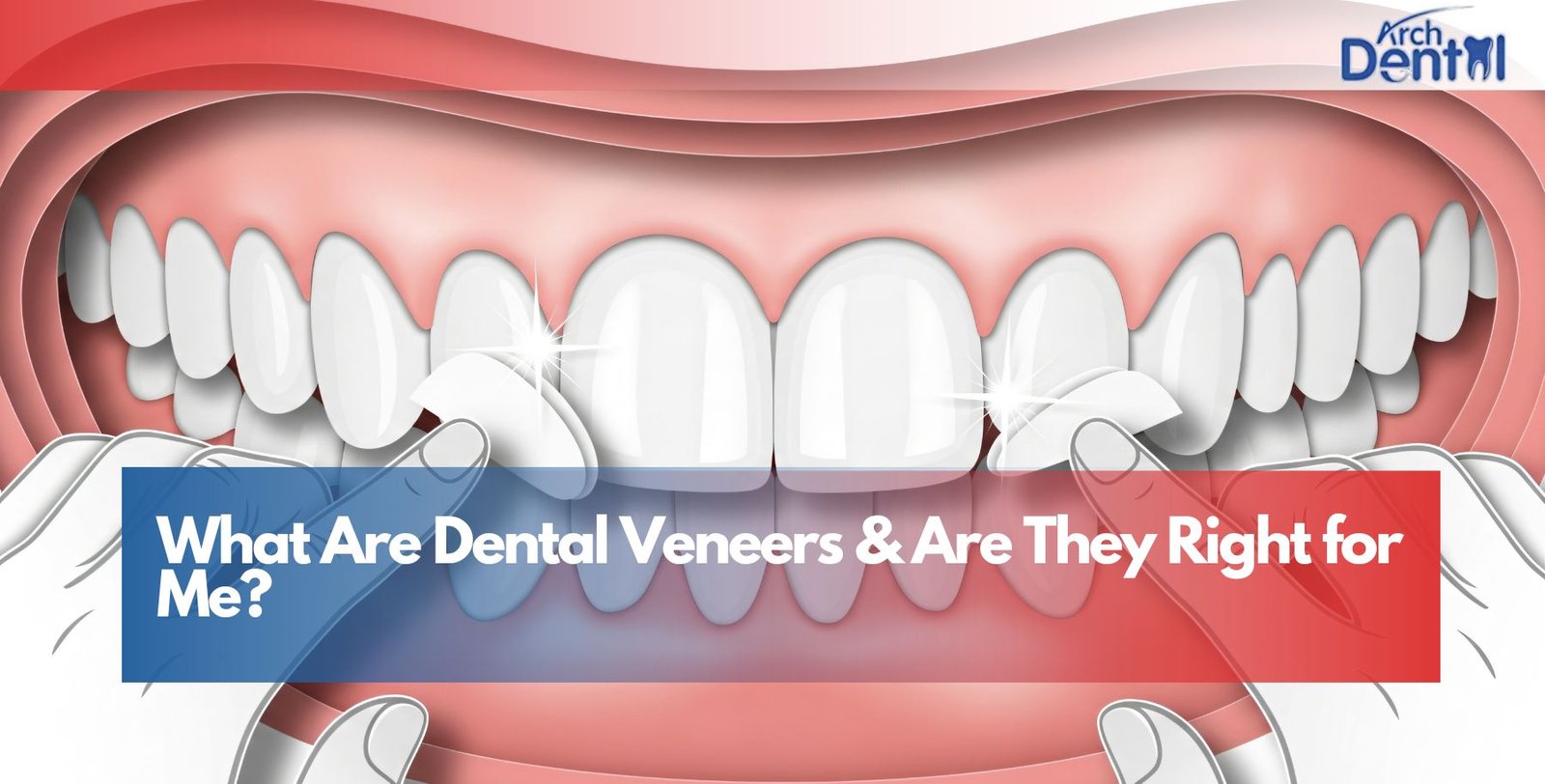
Dental veneers are thin, custom-made shells bonded to the front surface of teeth to improve their appearance. They are designed to mimic natural enamel and blend seamlessly with surrounding teeth. Veneers are commonly used to correct discoloration, minor misalignment, chips, gaps, and uneven tooth shapes, offering a natural-looking and durable cosmetic enhancement.
How Dental Veneers Improve the Appearance of Teeth
Veneers cover imperfections on the tooth’s surface while maintaining a realistic look and feel. They reflect light similarly to natural enamel, which helps create a bright and uniform smile. By reshaping and recoloring teeth, veneers provide immediate visual improvement without extensive orthodontic or restorative treatment.
Why Veneers Are Considered a Conservative Cosmetic Option
Unlike crowns, veneers require minimal tooth reduction. Only a small amount of enamel is removed to ensure a proper fit. This conservative approach preserves most of the natural tooth while still delivering dramatic cosmetic results that can last many years with proper care.
Types of Dental Veneers Available Today
There are several types of veneers, each offering unique benefits depending on patient needs, budget, and aesthetic goals.
Porcelain Veneers and Their Long-Term Benefits
Porcelain veneers are known for durability, stain resistance, and a highly natural appearance. They are custom crafted in a dental laboratory and can last many years. Porcelain closely resembles natural enamel, making it a preferred option for patients seeking long-lasting cosmetic improvements.
Composite Resin Veneers as an Alternative Option
Composite veneers are made from tooth-colored resin and can often be placed in a single visit. While they are more affordable than porcelain, they may not last as long and are more prone to staining. They are ideal for minor cosmetic corrections or patients seeking a quicker solution.
Common Dental Issues Veneers Can Correct
Veneers are versatile and can address multiple cosmetic concerns simultaneously.
Stained or Discolored Teeth That Do Not Respond to Whitening
Some stains caused by medications, trauma, or enamel defects do not improve with whitening. Veneers mask deep discoloration and create a permanently brighter smile, offering a reliable solution when whitening treatments fail.
Chipped, Cracked, or Worn Teeth
Everyday wear, grinding, or injury can damage teeth over time. Veneers restore shape and strength to worn or chipped teeth while improving overall smile symmetry and appearance.
Gaps and Minor Alignment Issues
Small gaps and slightly crooked teeth can often be corrected with veneers instead of braces. This cosmetic approach provides faster results for patients with mild alignment concerns who want immediate improvement.
How Dental Veneers Work Step by Step
Understanding the process helps patients feel confident and prepared for treatment.
Initial Consultation and Smile Evaluation
The dentist evaluates tooth structure, bite alignment, and cosmetic goals. Digital imaging or mock-ups may be used to preview results. This step ensures veneers are suitable and that expectations align with achievable outcomes.
Tooth Preparation and Impression Taking
A thin layer of enamel is gently removed from the tooth surface. Impressions are taken to create veneers that fit precisely and look natural. Temporary veneers may be placed while the permanent ones are crafted.
Veneer Placement and Final Adjustments
Once ready, veneers are bonded to teeth using strong dental cement. Final adjustments ensure proper fit, bite comfort, and natural aesthetics. The result is a seamless smile transformation.
How Long Do Dental Veneers Last?
Longevity is a key consideration when choosing veneers.
Lifespan of Porcelain Veneers
Porcelain veneers can last 10–15 years or longer with proper care. Their durability and stain resistance make them a long-term investment in cosmetic dentistry.
Factors That Affect Veneer Longevity
Oral hygiene habits, teeth grinding, diet, and regular dental visits influence how long veneers last. Proper maintenance helps preserve appearance and function
Benefits of Dental Veneers for Smile Enhancement
One of the biggest reasons patients choose dental veneers is the wide range of benefits they offer in a relatively short time. Veneers do not just improve appearance; they also boost confidence and help patients feel more comfortable smiling in personal and professional settings. For many, veneers provide a life-changing improvement with predictable, natural-looking results.
Natural Appearance and Instant Cosmetic Results
Veneers are carefully designed to match the color, shape, and translucency of natural teeth. Because they reflect light like real enamel, the final result looks realistic rather than artificial. Unlike orthodontics, veneers deliver noticeable cosmetic improvement almost immediately, making them appealing for patients seeking fast results.
Stain Resistance and Long-Lasting Brightness
Porcelain veneers are highly resistant to staining from coffee, tea, wine, and tobacco. This allows patients to maintain a bright, white smile for years without frequent whitening treatments. The stain resistance is one of the main reasons veneers are preferred for long-term cosmetic enhancement.
Are Dental Veneers Strong and Durable?
Patients often wonder whether veneers are strong enough for everyday use. When properly placed and cared for, veneers are designed to handle normal biting and chewing forces.
How Veneers Compare to Natural Tooth Enamel
Porcelain veneers are extremely durable and closely mimic the strength of natural enamel. While they are not indestructible, they can withstand daily function when patients avoid habits such as chewing ice or biting hard objects.
Protection Against Minor Tooth Wear
Veneers can help protect underlying tooth structure from further wear caused by grinding or erosion. By covering weakened enamel, they reduce sensitivity and improve overall tooth stability.
Potential Risks and Limitations of Dental Veneers
While dental veneers offer many advantages, they may not be suitable for everyone. Understanding potential risks helps patients make informed decisions.
Enamel Removal and Its Permanent Nature
Because a small amount of enamel is removed during preparation, veneers are considered irreversible. Once placed, teeth will always need veneer coverage or another form of restoration. This makes proper evaluation essential before proceeding.
Risk of Chipping or Damage
Although durable, veneers can chip or crack if subjected to excessive force. Teeth grinding, nail biting, or using teeth as tools increases the risk of damage. Protective night guards are often recommended for patients who grind their teeth.
Caring for Dental Veneers After Placement
Proper care is critical to maintaining the appearance and longevity of veneers. Daily habits play a major role in long-term success.
Daily Oral Hygiene for Veneers
Brushing twice daily with non-abrasive toothpaste and flossing regularly keeps veneers and surrounding gums healthy. Maintaining good oral hygiene prevents gum disease, which can compromise the edges of veneers over time.
Foods and Habits to Avoid
Patients should avoid biting hard foods, ice, or non-food objects. Limiting highly acidic foods also helps protect the bonding material and surrounding enamel, preserving veneer integrity.
Cost Considerations for Dental Veneers
Cost is an important factor when considering veneers. Prices vary depending on material, number of teeth treated, and complexity of the case.
Why Veneers Are Considered an Investment
Veneers are a long-term cosmetic solution rather than a temporary fix. Their durability, stain resistance, and aesthetic impact make them a valuable investment in appearance and confidence.
Factors That Influence Veneer Pricing
The type of veneer, dentist expertise, laboratory quality, and geographic location all influence cost. Porcelain veneers typically cost more than composite options due to their longevity and craftsmanship.
Veneers vs Other Cosmetic Dentistry Options
Patients often compare veneers with alternative treatments to determine the best solution for their needs.
Veneers vs Teeth Whitening
Whitening improves color but does not change shape, alignment, or surface defects. Veneers address multiple cosmetic concerns at once, making them ideal for patients with more complex smile issues.
Veneers vs Dental Crowns
Crowns cover the entire tooth and are used when structural strength is needed. Veneers are more conservative and focus on cosmetic enhancement when the tooth structure is healthy.
Emotional and Psychological Benefits of Veneers
Beyond physical changes, veneers often have a strong emotional impact.
Improved Confidence and Self-Esteem
Many patients report feeling more confident smiling, speaking, and socializing after veneer treatment. This boost in self-esteem can positively affect personal relationships and professional opportunities.
Long-Term Satisfaction With Smile Appearance
Because veneers provide predictable, lasting results, patient satisfaction rates are high. A stable, attractive smile contributes to overall happiness and self-assurance.
Who Is an Ideal Candidate for Dental Veneers?
Not everyone is a perfect candidate for dental veneers, and a proper evaluation is essential. Veneers work best when the underlying teeth and gums are healthy and strong enough to support cosmetic enhancement. Dentists carefully assess oral health, bite alignment, and aesthetic goals before recommending veneers.
Patients With Healthy Teeth and Gums
Ideal candidates have good overall oral health, minimal decay, and stable gums. Veneers rely on strong tooth structure for bonding, so issues like active cavities or gum disease must be treated first. Healthy foundations ensure veneers last longer and perform well.
Patients Seeking Cosmetic, Not Structural, Changes
Veneers are best for cosmetic concerns such as discoloration, uneven shape, mild crowding, or gaps. They are not meant to replace structurally damaged teeth, which may require crowns or other restorative treatments instead.
When Dental Veneers May Not Be the Best Option
While veneers are versatile, certain conditions make alternative treatments more appropriate.
Severe Tooth Decay or Weak Tooth Structure
Teeth with extensive decay, large fillings, or fractures may not support veneers safely. In these cases, full-coverage restorations offer better protection and long-term stability.
Untreated Gum Disease or Poor Oral Hygiene
Active gum disease compromises the margins of veneers and increases failure risk. Patients must commit to good oral hygiene and regular dental visits before and after veneer placement.
Alternatives to Dental Veneers
Patients have several cosmetic and restorative options depending on their goals and dental condition.
Teeth Whitening for Color Improvement
Professional whitening improves tooth color without altering tooth structure. It is ideal for patients with healthy enamel and mild discoloration but does not correct shape or alignment issues.
Orthodontic Treatment for Alignment Issues
Clear aligners or braces address spacing and alignment problems at their source. While treatment takes longer, orthodontics preserves natural teeth without enamel removal.
Dental Bonding for Minor Corrections
Dental bonding reshapes teeth using composite resin. It is less expensive and reversible but may not last as long or resist stains as effectively as veneers.
How to Decide if Dental Veneers Are Right for You
Choosing veneers is a personal decision that should balance aesthetics, oral health, and long-term expectations.
Evaluating Your Smile Goals and Lifestyle
Patients seeking fast, dramatic improvement often prefer veneers. Lifestyle habits such as grinding, diet, and oral hygiene commitment should be considered to ensure veneers remain durable.
Importance of a Professional Cosmetic Consultation
A cosmetic consultation allows dentists to evaluate tooth structure, discuss goals, and recommend the most appropriate treatment. Digital previews help patients visualize outcomes before committing.
Long-Term Maintenance and Expectations With Veneers
Understanding maintenance requirements helps patients protect their investment. Regular dental checkups ensure veneers remain properly bonded and gums stay healthy. Professional cleanings help preserve appearance and detect issues early. Night guards may be recommended for patients who grind their teeth. Avoiding hard objects and maintaining healthy habits reduces the risk of chipping or cracking.
The Emotional Impact of Smile Transformation
Veneers often create changes that go beyond physical appearance.
Confidence in Social and Professional Settings
A balanced, bright smile encourages patients to speak, smile, and engage more confidently. Many report positive changes in self-image and interactions after treatment.
Long-Term Satisfaction With Cosmetic Results
Because veneers offer predictable, stable outcomes, satisfaction rates are high. Patients appreciate the combination of durability, aesthetics, and minimal maintenance.
Conclusion
Dental veneers are a powerful cosmetic dentistry solution for patients seeking a brighter, more balanced, and confident smile. They correct discoloration, chips, gaps, and minor alignment issues while preserving much of the natural tooth structure. Although veneers are not suitable for every dental condition, proper evaluation ensures the right candidates achieve long-lasting, natural-looking results. If you are considering veneers and want expert guidance tailored to your smile goals, consulting an experienced Dentist in Northampton, MA is the best way to determine whether veneers are the right choice for you.