Modern dentistry has evolved far beyond traditional drills and scalpels. One of the most significant advancements is laser dentistry, which allows dentists to perform many procedures with greater precision, comfort, and efficiency. Patients today seek treatments that reduce pain, shorten recovery time, and improve overall outcomes. Laser technology meets these expectations by offering a minimally invasive approach to both cosmetic and restorative care.
This article explains what laser dentistry is, how it works, and why it has become an important part of contemporary dental treatment. Understanding this technology helps patients make informed decisions about their oral health care.
What Is Laser Dentistry?
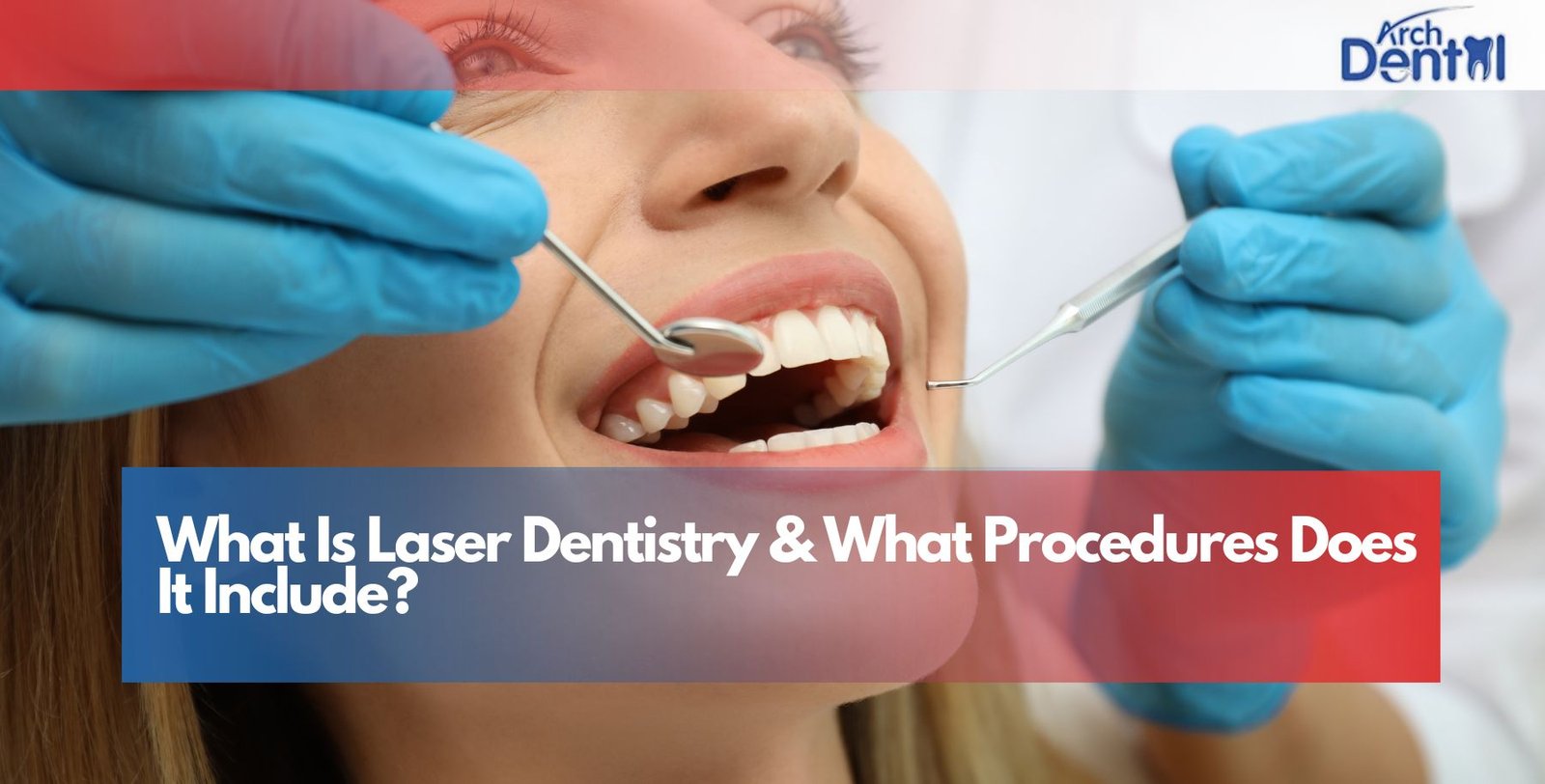
Laser dentistry is the use of advanced laser technology to treat a variety of dental conditions involving the teeth, gums, and surrounding tissues. A dental laser emits a focused beam of light energy that can cut, reshape, remove, or sterilize tissue with extreme accuracy. Because lasers target only the affected area, they help preserve healthy tooth structure and gum tissue while minimizing discomfort during treatment.
How Dental Lasers Work in Oral Care
Dental lasers work by delivering concentrated light energy that interacts with tissue. Depending on the wavelength and intensity, lasers can gently remove decay, reshape gum tissue, or seal blood vessels. This controlled energy reduces trauma, limits bleeding, and often eliminates the need for sutures, making procedures smoother and more comfortable for patients.
Why Laser Dentistry Is Considered Minimally Invasive
Unlike traditional tools, lasers do not rely on mechanical pressure. This reduces vibration, heat, and noise during procedures. As a result, laser dentistry often causes less pain, lowers the risk of infection, and shortens healing time, making it a preferred option for patients with dental anxiety or sensitivity.
Types of Lasers Used in Dentistry
Not all dental lasers function the same way. Different types are designed for specific tissues and treatments.
Hard Tissue Lasers for Teeth
Hard tissue lasers are used on enamel and dentin. They can remove tooth decay, prepare teeth for fillings, and treat tooth sensitivity. These lasers are especially beneficial for cavity treatment because they often reduce the need for anesthesia while preserving more natural tooth structure.
Soft Tissue Lasers for Gums
Soft tissue lasers are designed for gum-related procedures. They can reshape gums, treat infections, and remove excess tissue with minimal bleeding. These lasers promote faster healing and are commonly used in cosmetic gum contouring and periodontal therapy.
How Laser Dentistry Improves Patient Comfort
Comfort is one of the biggest reasons patients choose laser-based treatments.
Reduced Pain and Need for Anesthesia
Many laser procedures cause little to no discomfort, which reduces the need for local anesthesia. This is particularly helpful for patients who fear injections or experience anxiety during dental visits. The gentle nature of lasers also minimizes post-procedure soreness.
Less Bleeding and Faster Healing
Lasers cauterize tissue as they work, which significantly reduces bleeding. This controlled approach also lowers swelling and promotes quicker tissue regeneration. Patients often experience shorter recovery periods compared to traditional dental methods.
Safety and Precision of Laser Dentistry
Laser dentistry is recognized as a safe and effective treatment option when performed by trained professionals.
Accuracy in Targeting Diseased Tissue
Dental lasers allow dentists to focus precisely on affected areas without disturbing surrounding healthy tissue. This precision helps preserve natural tooth structure and supports better long-term oral health outcomes.
Infection Control and Sterilization Benefits
Lasers naturally sterilize the area they treat, reducing bacteria and lowering the risk of post-procedure infections. This makes laser dentistry particularly beneficial for treating gum disease and other oral infections.
Common Reasons Dentists Recommend Laser Dentistry
Laser dentistry is not suitable for every case, but it offers clear advantages in many situations.
Ideal for Patients With Dental Anxiety
The quiet operation and reduced discomfort of laser treatments make them ideal for patients who fear traditional dental tools. Many patients report feeling more relaxed during laser procedures.
Beneficial for Patients With Sensitive Teeth or Gums
Patients with sensitivity often tolerate laser treatments better than conventional methods. The gentle approach reduces irritation and allows for more comfortable care.
Dental Procedures Commonly Performed Using Laser Dentistry
One of the biggest advantages of laser dentistry is its versatility. Dentists can use lasers across preventive, restorative, cosmetic, and surgical treatments. Because lasers offer high precision and reduced trauma, many procedures can be completed more efficiently and comfortably. As technology advances, the range of treatments that include lasers continues to expand, making them an important tool in modern dental care.
Laser Treatment for Tooth Decay and Cavities
Lasers are commonly used to remove decayed tooth structure during cavity treatment. The laser targets only infected areas, preserving healthy enamel. This precise removal often reduces the need for drills and anesthesia. After decay removal, the tooth is prepared for restoration, creating a cleaner surface that improves bonding and long-term results.
Laser-Assisted Fillings and Tooth Preparation
When preparing teeth for fillings, lasers create minimal vibration and heat. This gentle approach makes the experience more comfortable, especially for patients with dental sensitivity. Laser preparation also helps reduce bacteria in the tooth, which lowers the risk of future decay and enhances the durability of restorations.
Laser Dentistry in Gum Disease Treatment
Lasers have transformed the way dentists manage periodontal conditions.
Laser Therapy for Gum Disease
In periodontal treatment, lasers are used to remove infected gum tissue and bacteria from periodontal pockets. This approach helps reduce inflammation while preserving healthy gum tissue. Laser-assisted periodontal therapy supports gum reattachment and promotes healing, often with less discomfort and faster recovery than traditional surgical methods.
Deep Cleaning and Pocket Reduction With Lasers
Lasers help disinfect deep gum pockets that brushing and flossing cannot reach. By reducing bacteria and smoothing root surfaces, laser therapy encourages gums to heal and tighten around teeth. This process plays a key role in managing moderate to advanced gum disease.
Cosmetic Procedures Using Laser Dentistry
Cosmetic dentistry has benefited greatly from laser technology.
Laser Gum Contouring for Smile Enhancement
Laser gum contouring reshapes excess or uneven gum tissue to create a balanced smile. The precision of lasers allows dentists to sculpt gum lines with minimal bleeding and rapid healing. This cosmetic procedure is especially popular for patients with gummy smiles or uneven gum margins.
Teeth Whitening With Laser Activation
Laser-assisted teeth whitening enhances the effectiveness of professional whitening treatments. The laser activates whitening agents, helping break down stains more efficiently. This method delivers faster and more dramatic whitening results while minimizing tooth sensitivity.
Laser Dentistry for Oral Surgery Procedures
Lasers are also used in certain oral surgical applications.
Soft Tissue Removal and Biopsies
Lasers can remove soft tissue growths, lesions, or perform biopsies with exceptional precision. The cauterizing effect minimizes bleeding and reduces the need for sutures. This approach allows for quicker healing and improved patient comfort.
Frenectomy and Tongue-Tie Release
Laser frenectomy procedures correct tongue-tie or lip-tie conditions. The laser allows for a quick, precise release with minimal discomfort. This treatment is especially beneficial for children and infants, as healing is faster and less traumatic.
Laser Dentistry for Tooth Sensitivity and Pain Management
Lasers are effective in treating sensitivity and discomfort.
Laser Treatment for Tooth Sensitivity
Lasers seal exposed dentinal tubules, reducing sensitivity to hot, cold, or sweet foods. This treatment provides relief for patients who experience chronic sensitivity without invasive procedures.
Pain Reduction and Inflammation Control
Laser therapy reduces inflammation and stimulates tissue healing. Dentists often use lasers to manage discomfort after procedures, helping patients recover faster and more comfortably.
Pediatric Dental Procedures Using Lasers
Laser dentistry is particularly beneficial for children.
Gentle Dental Care for Children
Lasers reduce fear associated with drills and injections, making dental visits less stressful for children. The quiet, vibration-free approach improves cooperation and overall treatment experience.
Preventive and Therapeutic Uses in Pediatric Dentistry
Lasers are used for cavity treatment, gum care, and soft tissue procedures in children. Their precision and comfort make them ideal for preventive and early intervention treatments.
Benefits of Laser Dentistry for Modern Dental Care
The growing adoption of laser dentistry is driven by the wide range of benefits it offers to both patients and dental professionals. From improved comfort to enhanced clinical precision, lasers have changed how many dental treatments are delivered. These advantages make laser technology an appealing option for patients seeking effective, patient-friendly dental care.
Faster Healing and Reduced Recovery Time
Laser treatments cause minimal trauma to surrounding tissues, which allows the body to heal more efficiently. Because lasers seal blood vessels and nerve endings as they work, patients often experience less swelling, reduced inflammation, and faster recovery. Many people can return to normal activities shortly after treatment, making laser dentistry especially convenient.
Lower Risk of Infection and Complications
Lasers naturally sterilize the area being treated by eliminating bacteria during procedures. This significantly reduces the risk of post-treatment infections. The precision of laser technology also lowers the likelihood of complications, making outcomes more predictable and improving overall treatment safety.
Limitations of Laser Dentistry
Although laser dentistry offers many advantages, it is not suitable for every dental condition. Understanding its limitations helps patients develop realistic expectations.
Not All Dental Procedures Can Use Lasers
Certain treatments still require traditional dental tools. For example, lasers cannot be used on teeth with existing metal restorations or for some complex restorative procedures. Dentists evaluate each case individually to determine whether laser technology is appropriate.
Availability and Training Requirements
Not all dental practices offer laser dentistry, as specialized training and equipment are required. Dentists must undergo certification and ongoing education to use lasers safely and effectively. Availability may vary depending on location and provider expertise.
Who Is a Good Candidate for Laser Dentistry?
Laser dentistry can benefit many patients, but candidacy depends on individual dental needs and overall oral health.
Patients With Gum Disease or Sensitive Teeth
Patients dealing with gum inflammation, periodontal issues, or tooth sensitivity often benefit greatly from laser treatment. The gentle approach reduces discomfort while delivering effective results, making it an excellent option for managing soft tissue conditions.
Patients With Dental Anxiety or Fear
People who feel anxious about traditional dental tools often prefer laser dentistry. The quiet operation and reduced need for anesthesia help create a calmer, more comfortable experience during dental visits.
Safety Standards and Regulations in Laser Dentistry
Safety is a top priority when using dental lasers.
FDA Approval and Professional Guidelines
Dental lasers are approved by regulatory authorities and must meet strict safety standards. Dentists follow professional guidelines to ensure lasers are used appropriately and responsibly for each procedure.
Protective Measures During Laser Treatments
Patients and dental teams wear protective eyewear during laser procedures. These measures ensure safety while allowing lasers to be used effectively in a controlled clinical environment.
The Future of Laser Dentistry
Laser technology continues to evolve, expanding its role in dental care.
Advancements in Dental Laser Technology
Ongoing research is improving laser precision, versatility, and affordability. New devices are making laser dentistry accessible to more practices, allowing patients to benefit from advanced care options.
Expanding Applications in Restorative and Cosmetic Dentistry
As technology advances, lasers are expected to play a greater role in restorative and cosmetic treatments. Their ability to enhance comfort and outcomes positions laser dentistry as a key component of future dental care.
Choosing a Dentist Experienced in Laser Dentistry
Selecting the right provider ensures the best results.
Importance of Training and Experience
A dentist trained in laser technology understands how to apply the correct settings and techniques for each procedure. Experience ensures treatments are effective, safe, and tailored to individual patient needs.
Asking the Right Questions During Your Consultation
Patients should ask about a dentist’s laser training, experience, and whether laser treatment is appropriate for their specific condition. Clear communication helps build confidence and trust in the chosen treatment approach.
Conclusion
Laser dentistry has transformed modern dental care by offering precise, minimally invasive solutions for a wide range of procedures. From cavity treatment and gum disease management to cosmetic enhancements and surgical applications, lasers improve comfort, reduce healing time, and enhance clinical outcomes. While not suitable for every case, laser technology provides a valuable option for patients seeking advanced, patient-centered dental care. To determine whether laser dentistry is right for your needs, consult an experienced Dentist in Northampton, MA who can evaluate your oral health and recommend the most appropriate treatment options.