Maintaining optimal oral health goes beyond brushing and flossing at home. Professional dental cleanings play a crucial role in preventing tooth decay, gum disease, and other oral health complications. However, not all cleanings are created equal. Understanding the different types of dental cleaning procedures available can help you make informed decisions about your oral care and ensure you receive the appropriate treatment for your specific needs.
Whether you’re seeking routine preventive care or require more specialized treatment for periodontal disease, knowing what each type of cleaning entails empowers you to have meaningful conversations with your dental care provider. This comprehensive guide explores the various types of dental cleanings, their purposes, and when each procedure might be necessary for maintaining a healthy smile.
Prophylaxis (Routine Dental Cleaning)
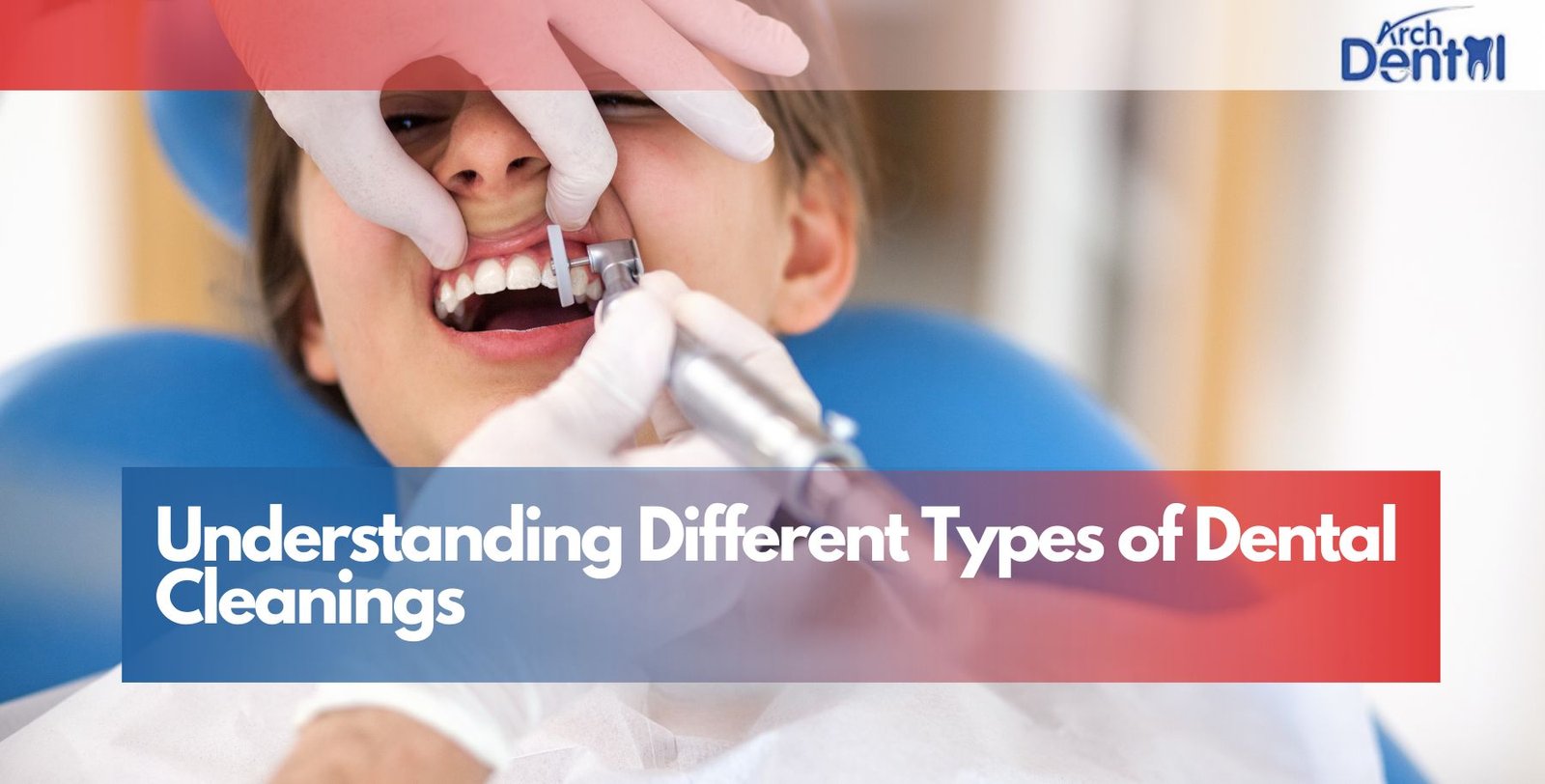
Prophylaxis, commonly known as a routine or regular dental cleaning, represents the most basic and frequently performed type of cleaning. This preventive procedure is designed for patients with generally healthy gums and minimal plaque buildup or tartar accumulation. During a prophylaxis cleaning, your dental hygienist focuses on removing soft plaque and hardened tartar from tooth surfaces above the gum line.
The procedure typically involves using specialized instruments such as ultrasonic scalers and hand tools to eliminate debris, followed by polishing with a slightly abrasive paste to remove surface stains and create a smooth tooth surface. This smoothness helps prevent future plaque accumulation and leaves your teeth feeling exceptionally clean.
Who Needs Prophylaxis Cleaning
Prophylaxis cleanings are ideal for patients who maintain good oral hygiene habits at home and have no signs of gum inflammation or periodontal disease. If you brush twice daily, floss regularly, and have healthy gum tissue that doesn’t bleed during cleaning, this routine procedure is likely sufficient for your needs.
Most dental professionals recommend prophylaxis cleanings every six months for optimal oral health maintenance. However, some patients with excellent oral hygiene may only require annual cleanings, while others with higher risk factors might benefit from more frequent appointments.
Benefits of Regular Prophylaxis
Regular prophylaxis cleanings offer numerous advantages beyond just clean teeth. These appointments allow your dentist in Northampton, MA to detect early signs of cavities, oral cancer, or other dental issues before they become serious problems requiring extensive treatment.
Additionally, removing plaque and tartar reduces harmful bacteria in your mouth, which can contribute to bad breath, tooth decay, and gum disease. Studies have also linked good oral health to overall systemic health, with regular cleanings potentially reducing risks of heart disease, diabetes complications, and respiratory infections.
What to Expect During the Procedure
A typical prophylaxis appointment lasts between 30 to 60 minutes. Your hygienist will begin by examining your mouth and teeth, noting any areas of concern. They’ll then use scaling instruments to remove plaque and tartar, paying special attention to areas around the gum line and between teeth where buildup commonly occurs.
Following scaling, your teeth will be polished using a rotating rubber cup and prophylaxis paste. Many practices conclude with a fluoride treatment to strengthen tooth enamel and provide additional protection against cavities. Your hygienist may also provide personalized recommendations for improving your home care routine.
Cost and Insurance Coverage
Prophylaxis cleanings are generally the most affordable type of dental cleaning, and most dental insurance plans cover two routine cleanings per year at 100% with no out-of-pocket cost. For patients without insurance, prophylaxis cleanings typically range from $75 to $200, depending on your geographic location and the dental practice.
Investing in regular preventive cleanings saves money in the long run by helping you avoid costly restorative procedures like root canals, crowns, or periodontal treatments that become necessary when oral health problems progress untreated.
Scaling and Root Planing (Deep Cleaning)
Scaling and root planing, often referred to as deep cleaning, is a more intensive non-surgical procedure designed to treat gingivitis and early to moderate periodontitis. Unlike prophylaxis, which addresses surfaces above the gum line, deep cleaning specifically targets plaque, tartar, and bacteria that have accumulated in periodontal pockets beneath the gum tissue.
This therapeutic procedure involves two distinct steps: scaling removes calcified deposits from tooth roots, while root planing smooths the root surfaces to promote healing and prevent future bacterial colonization. Deep cleaning is essential for patients showing signs of gum disease, such as bleeding gums, pocket depths exceeding 4mm, or visible gum recession.
Signs You May Need Deep Cleaning
Several warning signs indicate you might benefit from scaling and root planing. Persistent bad breath that doesn’t improve with brushing, gums that bleed easily during brushing or flossing, and noticeable gum recession exposing tooth roots are all red flags requiring professional evaluation.
Other indicators include loose teeth, changes in your bite, or visible pus between teeth and gums. If your dental professional measures pocket depths of 4mm or greater during your examination, they’ll likely recommend deep cleaning to prevent disease progression and potential tooth loss.
The Deep Cleaning Process
Deep cleaning appointments typically require multiple visits, as dentists often treat one quadrant of the mouth per session. Local anesthesia is commonly administered to ensure patient comfort, since the procedure involves working beneath the gum line where nerve endings are more sensitive.
Using ultrasonic instruments and hand scalers, your hygienist will meticulously remove calcified deposits from tooth roots below the gum line. The root planing phase then smooths rough spots on tooth roots, creating an environment less hospitable to bacteria and allowing gum tissue to reattach more securely to teeth.
Recovery and Aftercare
Following deep cleaning, some sensitivity, mild discomfort, and gum tenderness is normal for several days. Your gums may also bleed slightly during the initial healing period. Over-the-counter pain relievers, saltwater rinses, and temporarily avoiding extremely hot or cold foods can help manage post-procedure discomfort.
Your dental provider may prescribe antimicrobial mouth rinses or antibiotics to support healing and prevent infection. Maintaining excellent oral hygiene at home is crucial during recovery, even if your gums feel tender. Most patients experience significant improvement within a few weeks as gum tissue heals and reattaches.
Long-Term Maintenance Requirements
After scaling and root planing, most patients require more frequent maintenance cleanings every three to four months rather than the standard six-month interval. These periodontal maintenance appointments help prevent reinfection and disease recurrence by removing bacteria before they can re-establish deep pockets.
Committing to this increased cleaning schedule, combined with meticulous home care, gives you the best chance of managing periodontal disease successfully and avoiding more aggressive treatments like gum surgery or tooth extraction in the future.
Periodontal Maintenance
Periodontal maintenance cleanings serve as ongoing care for patients who have completed active periodontal treatment, such as scaling and root planing or periodontal surgery. These specialized cleanings differ from both routine prophylaxis and therapeutic deep cleanings, occupying a middle ground designed specifically for managing chronic gum disease.
During periodontal maintenance appointments, your hygienist performs supra-gingival (above the gum line) and sub-gingival (below the gum line) cleaning while carefully monitoring pocket depths and overall periodontal health. The goal is preventing disease reactivation and maintaining the improvements achieved through initial periodontal therapy.
Who Requires Periodontal Maintenance
Patients diagnosed with periodontal disease who have undergone treatment to control the condition need periodontal maintenance rather than standard cleanings. This includes individuals who’ve completed scaling and root planing, periodontal surgery, or other therapeutic procedures designed to halt disease progression.
Once you’ve been diagnosed with periodontal disease, lifelong maintenance becomes necessary because the condition can recur if bacteria are allowed to recolonize treated areas. Even with excellent home care, professional intervention at regular intervals remains essential for long-term success.
Frequency of Maintenance Appointments
Most periodontal maintenance patients require appointments every three to four months, though some individuals with aggressive disease or compromised immune systems may need more frequent visits. This increased schedule compared to routine cleanings reflects the reality that periodontal disease is a chronic condition requiring ongoing management.
Your periodontist or dentist will customize your maintenance schedule based on factors including disease severity, your home care effectiveness, overall health status, and how your gums respond to treatment. Consistent attendance at these appointments dramatically improves your prognosis for keeping your natural teeth.
Difference from Regular Cleaning
While periodontal maintenance shares some similarities with prophylaxis, key differences exist. Maintenance cleanings involve more extensive subgingival instrumentation, thorough evaluation of pocket depths at multiple sites around each tooth, and often take longer to complete due to the complexity involved.
Additionally, periodontal maintenance appointments typically include more detailed record-keeping to track changes in your periodontal health over time. Your provider will measure and document pocket depths, bleeding points, and gum recession to identify any areas showing signs of disease reactivation requiring additional intervention.
Insurance Considerations
Many dental insurance plans recognize periodontal maintenance as a distinct procedure with different coverage than routine cleanings. Most plans cover periodontal maintenance separately, often allowing four maintenance appointments per year rather than limiting you to two cleanings annually.
However, coverage specifics vary significantly between plans. Some insurers may alternate coverage between periodontal maintenance and routine cleanings, while others provide comprehensive coverage recognizing the medical necessity of frequent appointments for managing chronic periodontal disease.
Gross Debridement
Gross debridement represents the most intensive type of dental cleaning, reserved for patients with severe tartar buildup that prevents the dental professional from conducting a comprehensive oral examination. This preliminary cleaning removes excessive deposits that have accumulated due to extended periods without professional dental care.
This procedure often precedes a complete diagnostic evaluation, as heavy calculus deposits can obscure tooth surfaces, gum tissue, and existing dental work, making accurate assessment impossible. Following gross debridement, patients typically return for a thorough examination and additional treatment planning based on their newly visible oral condition.
Conclusion
Selecting the appropriate type of cleaning depends on various factors including your current oral health status, history of dental disease, and individual risk factors. Your dental professional at Dental Cleanings in Northampton, MA will assess your specific situation through clinical examination, pocket depth measurements, and potentially dental X-rays to determine which cleaning type best serves your needs.
Understanding these different cleaning options empowers you to be an active participant in your oral healthcare decisions. Regular professional cleanings, combined with diligent home care including proper brushing technique, daily flossing, and a healthy diet, form the foundation of lasting oral health. By partnering with your dental team and committing to recommended cleaning schedules, you can maintain a healthy, beautiful smile for life.