
A toothache can be frustrating during the day — but at night, it often becomes unbearable. Many people wonder why their mild or moderate tooth pain suddenly spikes when they’re trying to rest. The truth is that several natural body responses, along with underlying dental problems, can make nighttime toothaches feel much more intense.
If you understand why toothaches worsen at night, you can manage the pain more effectively and know when it’s time to see a dentist. And if your discomfort becomes severe or keeps you awake, reaching out to an emergency dentist Northampton can help you get fast relief.
Below is a complete guide explaining how toothaches develop, why nighttime pain feels sharper, what you can do to ease it, and the four main reasons your tooth hurts more at bedtime.
How Toothaches Develop
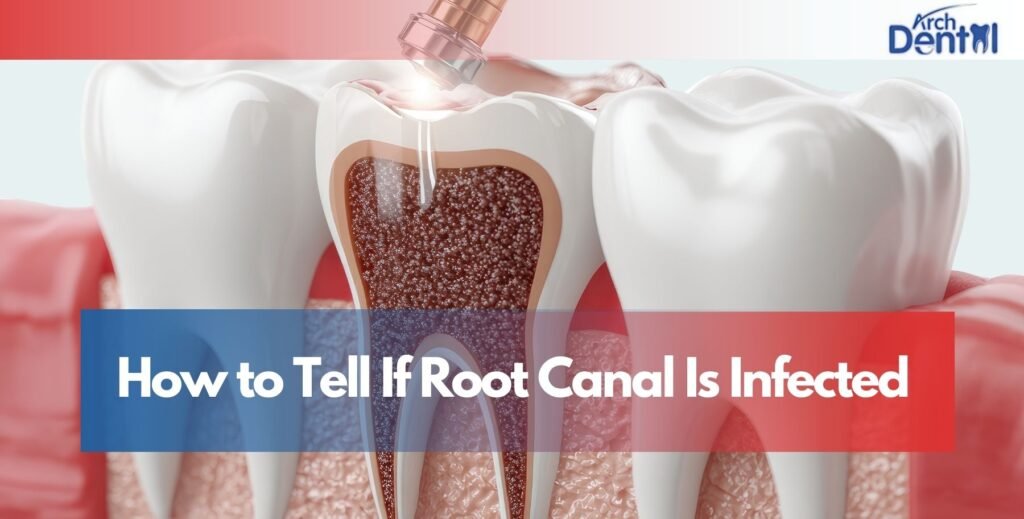
A toothache usually doesn’t appear out of nowhere it develops because something irritates or damages the nerves inside your tooth. The pulp, which contains nerves and blood vessels, becomes inflamed when irritated, leading to pain that can range from mild to severe.
Before we explore nighttime triggers, it’s important to understand how tooth pain starts.
Bacteria and Tooth Decay
Tooth decay is the most common trigger behind tooth pain. When bacteria break down sugars, they produce acids that slowly damage enamel. Once decay reaches the dentin or pulp, the nerves inside the tooth become exposed or infected, causing pain.
Gum Disease and Recession
Gum disease pulls gums away from the tooth, exposing sensitive roots that react strongly to cold, heat, and pressure. This sensitivity often becomes more noticeable at night.
Cracked or Fractured Teeth
If you have a crack in your tooth, biting pressure or temperature changes can irritate the nerve. Cracks allow bacteria to enter and cause inflammation, which may worsen later in the day.
Dental Abscesses
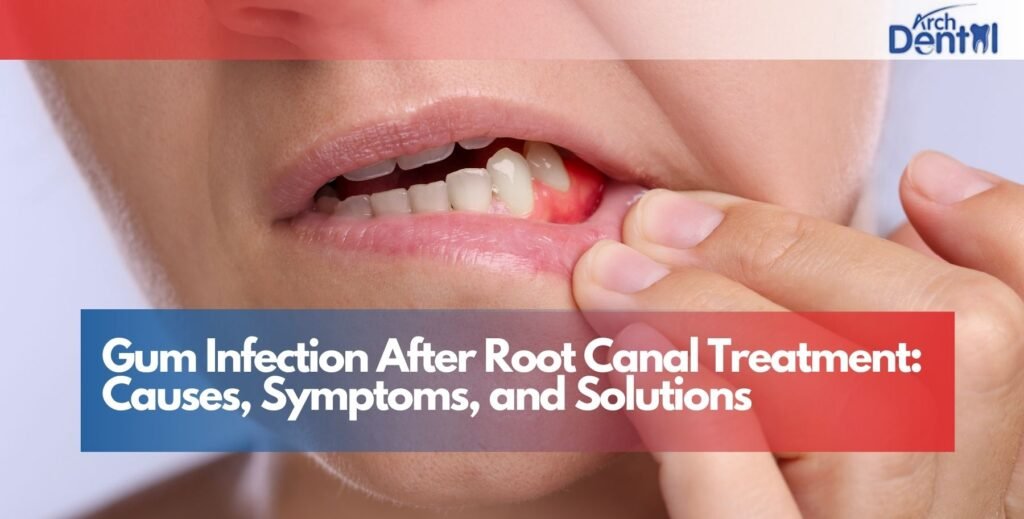
An abscess is a pocket of infection that causes throbbing, sharp pain. Abscess pain intensifies when lying down because blood flow increases to the head, placing more pressure on the inflamed area.
Why Toothaches Feel Worse at Night
Many patients report that even mild toothaches feel dramatically worse once they go to bed. There are several scientific and biological reasons behind this.
Increase in Blood Flow While Lying Down
When you lie flat, blood flows more easily to your head. This added pressure around an inflamed tooth intensifies the pain, making it feel sharper or more throbbing.
Fewer Distractions at Night
During the day, work, walking, talking, and everyday noises keep your mind busy. At night, when you’re trying to fall asleep, you become more aware of discomfort.
Teeth Grinding or Clenching
Many people grind or clench their teeth unknowingly while falling asleep. This nighttime pressure irritates already sensitive or damaged teeth.
Sinus Pressure Increases Pain
Sinus infections or allergies worsen at night when lying down. Inflamed sinuses can cause pain that feels like a toothache, especially in the upper molars.
4 Reasons Why Your Toothache Hurts More at Night
This section breaks down the four main reasons nighttime toothaches feel so intense.
Each reason includes detailed explanations to help you understand what’s happening.
Lying Down Increases Pressure on the Tooth
When your head is level with your heart, blood circulation increases in the upper body. This extra blood flow raises pressure around irritated tooth nerves.
How Pressure Affects Inflammation
Inflamed tissue becomes more sensitive when extra fluid surrounds it. The failing pulp or infected tooth becomes highly reactive at night.
Why It Feels Throbbing
That pulsing sensation you feel is blood rushing through inflamed tissues, making the pain feel more severe.
Nighttime Teeth Grinding and Clenching
Even people who don’t grind during the day often clench their teeth at night without realizing it.
Pressure on Damaged Teeth
Clenching puts significant pressure on teeth with cavities, cracks, or nerve inflammation.
TMJ Tension Adds to Pain
Grinding strains the jaw muscles, increasing sensitivity in surrounding teeth.
Fewer Distractions Make Pain Feel Worse
During the day, you are busy, active, speaking, and moving. All these distractions suppress your focus on pain.
Your Brain Has Less to Focus On
At night, there is no noise, activity, or movement, so your brain shifts focus to the discomfort.
Pain Feels Amplified in Quiet Environments
This is a natural brain response — quiet settings heighten your awareness of pain signals.
Tooth Damage or Infection Often Peaks at Night
Many dental problems produce more noticeable symptoms at night as inflammation increases.
Abscess Pain Intensifies
Dental abscesses throb heavily at night because pressure inside the tooth increases while lying down.
Untreated Cavities React to Temperature Changes
Teeth may become sensitive after eating dinner or drinking cold water closer to bedtime.
Gum Inflammation Worsens in the Evening
Gums tend to swell more later in the day due to bacteria accumulating throughout the day.
Tips for Coping with a Toothache at Night
If your toothache flares up before bed, these practical steps can provide temporary relief until you can visit a dentist.
Use a Cold Compress
Applying a cold pack on the cheek for 10–15 minutes reduces swelling and numbs the area.
Rinse with Warm Saltwater
Saltwater helps clean the mouth and reduce bacteria that irritate the tooth.
Take Over-the-Counter Pain Relievers
Ibuprofen or acetaminophen can help reduce discomfort. Always follow dosage directions.
Sleep with Your Head Elevated
Use an extra pillow to keep your head raised. This prevents blood pressure from increasing around the tooth.
Avoid Trigger Foods Before Bed
Stay away from sugary snacks, cold drinks, or very hot foods that irritate the tooth.
Gently Brush and Floss
Food trapped between teeth can make pain worse. Clean the area carefully before bedtime.
When Should You Visit the Dentist?
Nighttime toothaches almost always signal a deeper problem. If pain continues beyond a day or two, you should seek professional care.
A quick search for a dentist near me can help you connect with a local provider who can diagnose the issue.
Seek urgent dental care if you experience:
- Fever
- Swelling in the face or jaw
- A bad taste in the mouth
- Severe, constant throbbing
- Difficulty chewing or biting
- A visible crack or chip
If your pain becomes unbearable at night or wakes you from sleep, immediate dental care is necessary.
Conclusion
Toothaches almost always feel worse at night because lying down increases pressure, the brain lacks distractions, and the tooth may be inflamed or cracked. Grinding and sinus pressure can worsen discomfort even more.
While home remedies can provide temporary relief, nighttime tooth pain should not be ignored. It may indicate a cavity, infection, gum disease, cracked tooth, or another dental issue that needs treatment. If your pain intensifies during the night, scheduling a dental exam is the best way to diagnose the cause and prevent complications.
A dentist can evaluate your symptoms, provide treatment options, and help restore your comfort so you can sleep pain-free again.
FAQs
Why does my tooth hurt more at night?
Because blood flow increases to your head when lying down, placing more pressure on inflamed nerves, making pain feel sharper and more intense.
How do I stop a toothache at night?
Use a cold compress, take pain relievers, elevate your head, rinse with saltwater, and avoid cold or sugary foods before bed.
Why is tooth pain worse when lying down?
Gravity causes blood to pool near the inflamed area, increasing pressure and sensitivity.
Can grinding teeth cause nighttime tooth pain?
Yes. Grinding strains the tooth structure and irritates nerves, especially if damage or decay is present.
Should I see a dentist for nighttime tooth pain?
Yes. Persistent nighttime pain is often a sign of infection, decay, or nerve damage. A dentist should evaluate it as soon as possible.