Many people postpone dental visits until they experience severe pain or discomfort, but waiting too long can transform minor issues into major problems requiring extensive treatment. Your mouth constantly sends signals about your oral health, and recognizing these warning signs early can save you time, money, and unnecessary discomfort. Understanding when to schedule an immediate dental check-up rather than waiting for your routine six-month appointment is crucial for maintaining optimal oral health and preventing complications that could affect your overall well-being.
Why Regular Dental Check-Ups Matter
Preventive dental care remains the cornerstone of maintaining a healthy smile and avoiding costly procedures down the road. Regular dental examinations allow professionals to detect problems in their earliest stages, when treatment is typically simpler, less invasive, and more affordable. During routine check-ups, dentists can identify cavities, gum disease, oral cancer, and other conditions that may not yet cause noticeable symptoms.
The American Dental Association recommends visiting your dentist at least twice yearly for comprehensive examinations and professional cleanings. However, certain warning signs indicate you shouldn’t wait for your scheduled appointment. Addressing dental problems promptly prevents minor issues from escalating into infections, tooth loss, or systemic health complications that extend beyond your mouth.
Your oral health directly impacts your overall health, with research linking gum disease to heart disease, diabetes complications, respiratory infections, and pregnancy complications. Recognizing urgent dental symptoms and seeking timely professional care protects not just your teeth and gums, but your entire body’s health.
Sign 1: Persistent Tooth Pain or Sensitivity
Tooth pain represents one of the most obvious indicators that something requires professional attention. While occasional sensitivity to hot or cold foods might resolve on its own, persistent or worsening discomfort signals underlying problems that won’t improve without treatment. Chronic tooth pain can indicate various issues, including cavities, cracked teeth, exposed roots, infections, or damaged fillings.
Sharp, stabbing pain when biting down often suggests a cracked tooth or damaged restoration that needs immediate repair. Throbbing pain that intensifies at night frequently indicates an infection reaching the tooth’s nerve, a condition requiring root canal therapy to save the tooth. Ignoring these symptoms allows bacteria to spread deeper into tooth structures and potentially into your jawbone, creating abscesses that can become life-threatening if left untreated.
Understanding Different Types of Tooth Sensitivity
Sensitivity to temperature changes deserves attention when it persists beyond a few seconds after exposure. Brief sensitivity might indicate minor enamel wear, but prolonged discomfort suggests deeper problems like exposed dentin, receding gums, or nerve inflammation. If cold beverages cause pain that lingers for minutes, or if you avoid certain foods entirely due to discomfort, schedule a dental examination promptly.
Sweet sensitivity represents another concerning symptom, as it often indicates active tooth decay. When sugar contacts compromised enamel and reaches the underlying dentin layer, it triggers sharp pain that signals cavity formation requiring professional treatment before the decay progresses to the tooth’s nerve.
Sign 2: Bleeding or Swollen Gums
Healthy gums should appear pink and firm, bleeding only under trauma like aggressive brushing or flossing accidents. Regular bleeding during brushing or flossing indicates gum inflammation, the hallmark of gingivitis or more advanced periodontal disease. Many people dismiss occasional bleeding as normal, but healthy gum tissue doesn’t bleed from routine oral hygiene activities.
Swollen, puffy, or tender gums signal active inflammation caused by bacterial accumulation along the gum line. In early stages, gingivitis can be reversed through professional cleaning and improved home care. However, untreated gum inflammation progresses to periodontitis, where infection destroys the supporting structures around teeth, including bone tissue. Periodontal disease remains the leading cause of adult tooth loss, making early intervention crucial for preserving your natural teeth.
Red Flags Beyond Basic Bleeding
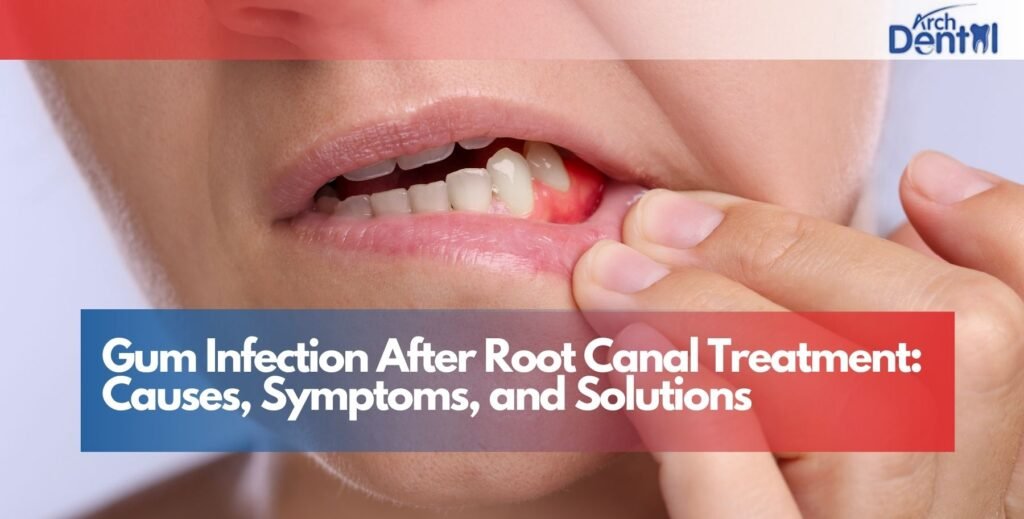
Gums that bleed spontaneously without any contact, appear bright red or purple, or feel painful to touch indicate advanced inflammation requiring immediate professional evaluation. If you notice pus between teeth and gums, experience gums pulling away from teeth creating visible pockets, or detect persistent bad taste in your mouth, these symptoms suggest active infection that demands urgent dental care.
Receding gums that make teeth appear longer than before, increased spaces between teeth, or changes in how your teeth fit together when biting also indicate progressive gum disease. These structural changes won’t reverse without professional intervention, and delaying treatment only allows further irreversible damage to supporting bone structures.
Sign 3: Persistent Bad Breath Despite Good Hygiene
Occasional bad breath after eating pungent foods or first thing in the morning is completely normal. However, chronic bad breath that persists despite regular brushing, flossing, and mouthwash use often indicates underlying dental or medical problems requiring professional diagnosis. Persistent halitosis, the medical term for chronic bad breath, can result from multiple oral health issues that won’t resolve with over-the-counter products alone.
Bacteria accumulating in deep gum pockets, beneath the gum line, or on the tongue’s surface produce sulfur compounds that cause distinctive foul odors. Tooth decay, especially cavities between teeth or beneath old fillings, creates environments where bacteria thrive and generate unpleasant smells. Dry mouth conditions reduce saliva’s natural cleansing action, allowing bacteria to proliferate and cause persistent odor problems.
When Bad Breath Signals Serious Problems
If your bad breath has a distinctly sweet, fruity odor, it might indicate uncontrolled diabetes. A fishy smell can suggest kidney problems, while an ammonia-like odor sometimes points to liver disease. Breath that smells like feces may indicate bowel obstruction or severe acid reflux. These systemic conditions require medical attention, but your dentist can help identify whether oral health issues or medical problems cause your halitosis.
Persistent metallic taste or bad breath accompanied by bleeding gums, loose teeth, or visible pus indicates active periodontal infection requiring immediate treatment. These infections can spread to other parts of your body through the bloodstream, potentially causing serious health complications if left untreated.
Sign 4: Loose Teeth or Changes in Your Bite
Adult teeth should remain firmly anchored in their sockets throughout life. Any noticeable movement, shifting, or looseness in permanent teeth represents a dental emergency requiring prompt professional evaluation. Loose teeth in adults typically indicate advanced gum disease, bone loss, trauma, teeth grinding, or infection affecting the supporting structures.
Changes in how your teeth fit together when you close your mouth, difficulty chewing food comfortably, or jaw pain when biting may signal shifting teeth, worn enamel, or temporomandibular joint (TMJ) disorders. These changes rarely occur suddenly; they develop gradually as underlying conditions progress. Addressing the root cause early prevents further damage and may save teeth that might otherwise require extraction.
Progressive Dental Changes That Require Attention
If you notice gaps developing between teeth that previously fit closely together, this spacing indicates bone loss or tooth movement that needs professional assessment. Teeth that feel higher or lower than surrounding teeth when biting suggest problems with the tooth itself, the supporting bone, or the opposing tooth wearing unevenly.
Chronic jaw clicking, popping, or pain when opening your mouth wide indicates TMJ dysfunction that can worsen without treatment. While not always requiring urgent care, these symptoms often respond better to early intervention than to treatment delayed until pain becomes severe or jaw movement becomes significantly limited.
Sign 5: Visible Oral Changes or Abnormalities
Your mouth’s appearance provides valuable clues about your oral health status. White or red patches on gums, tongue, or inner cheeks require professional examination, as they may indicate infections, irritation, or precancerous conditions. Lesions, sores, or ulcers that don’t heal within two weeks need evaluation to rule out oral cancer or other serious conditions.
Lumps or thickened areas on gums, numbness or tingling in oral tissues, or difficulty swallowing represent warning signs that should never be ignored. While many oral abnormalities have benign causes, only professional examination can definitively diagnose these changes and rule out serious conditions. Early detection of oral cancer dramatically improves treatment outcomes, making prompt evaluation of suspicious changes potentially life-saving.
Other Visual Warning Signs
Darkened or discolored teeth may indicate dying nerve tissue, internal decay, or previous trauma requiring treatment to prevent infection. Visible holes or pits in teeth signal active cavities that will only worsen without professional restoration. Cracked, chipped, or broken teeth expose internal structures to bacteria and sensitivity, requiring prompt repair to prevent further damage.
Pimple-like bumps on gums often indicate abscesses, pockets of infection that require drainage and treatment to prevent spread. White stringy material in your mouth might suggest oral thrush, a fungal infection particularly common in people with compromised immune systems, diabetes, or those taking certain medications.
Additional Symptoms Warranting Immediate Dental Care
Beyond the five primary signs discussed above, several other symptoms indicate you need professional dental evaluation soon. Difficulty swallowing or breathing, severe swelling affecting your face or neck, or fever accompanying dental pain suggest spreading infection requiring emergency treatment. Dental trauma from accidents, sports injuries, or falls demands immediate attention to maximize chances of saving damaged teeth.
If you experience sudden tooth loss, find your dental restoration (crown, bridge, or filling) falling out, or notice unusual clicking or popping in your jaw joint, these situations merit prompt professional assessment. Pregnant women experiencing oral health changes should schedule dental visits, as hormonal fluctuations can exacerbate gum inflammation and pregnancy itself increases susceptibility to certain dental problems.
Conclusion
Recognizing these five critical warning signs persistent tooth pain, bleeding or swollen gums, chronic bad breath, loose teeth or bite changes, and visible oral abnormalities—empowers you to seek timely dental care before minor issues become major problems. Your oral health directly impacts your quality of life, affecting everything from nutrition and speech to self-confidence and overall physical health. While maintaining regular six-month dental check-ups provides essential preventive care, understanding when symptoms require immediate attention protects your smile and your well-being.
Don’t ignore warning signs or postpone necessary dental care due to fear, cost concerns, or busy schedules. Early intervention almost always results in simpler, more affordable treatment with better outcomes than waiting until problems become severe. If you’re experiencing any of these symptoms, contact a Dentist in Northampton, MA to schedule a comprehensive examination and receive personalized treatment recommendations. Professional dental care today prevents painful, expensive complications tomorrow, ensuring your smile remains healthy and beautiful for years to come.
Frequently Asked Questions
How often should I visit the dentist for check-ups?
Most people should visit their dentist every six months for routine examinations and professional cleanings. However, individuals with gum disease, diabetes, weakened immune systems, or history of frequent cavities may need more frequent visits—typically every three to four months as recommended by their dental professional.
Are dental X-rays necessary at every check-up?
No, dental X-rays aren’t required at every visit. Most dentists recommend bitewing X-rays annually and comprehensive full-mouth X-rays every three to five years, depending on your oral health status, age, and risk factors. X-rays help detect problems invisible during visual examination, including cavities between teeth and bone loss.
What happens during a routine dental check-up?
A typical check-up includes a comprehensive examination of teeth, gums, tongue, and oral tissues to identify cavities, gum disease, oral cancer, and other issues. Your hygienist performs professional cleaning to remove plaque and tartar, followed by the dentist’s examination and discussion of any findings, treatment recommendations, and preventive care strategies.
Can I go to the dentist if I’m pregnant?
Yes, dental care during pregnancy is safe and important. The second trimester is ideal for non-emergency procedures, but urgent issues should be addressed immediately regardless of pregnancy stage. Always inform your dentist about your pregnancy, as hormonal changes can affect oral health and certain treatments may require modifications.
What should I do if I have a dental emergency after hours?
For severe pain, uncontrolled bleeding, facial swelling, or dental trauma, contact your dentist’s emergency line or visit an emergency room. Many dental practices provide after-hours emergency contact information. For knocked-out teeth, preserve the tooth in milk and seek immediate care, as rapid treatment may allow successful reimplantation.