
A root canal treatment is one of the most effective ways to save an infected or damaged tooth. With success rates above 90%, most root canal procedures last for many years—often a lifetime. However, in some cases, a root canal may fail due to lingering bacteria, reinfection, or structural issues inside the tooth. When this happens, a root canal retreatment may be necessary to restore the tooth and prevent further complications.
This detailed guide explains the reasons a root canal can fail, the warning signs to watch for, and how retreatment helps protect your oral health.
Understanding Root Canal Failure and Why It Occurs
Although a root canal eliminates infection and seals the tooth, complications can still arise. Failure happens when bacteria remain in or reenter the canal system, causing inflammation or reinfection around the tooth.
What Causes a Root Canal to Fail Initially?
A failed root canal may result from missed canals, complex root anatomy, or incomplete removal of bacteria. Some teeth have hidden canals or curved pathways that are difficult to clean. If bacteria remain inside, the infection can return and cause discomfort months or years later.
How Reinfection Develops After Treatment
Reinfection can occur if a crown is delayed, cracks develop in the tooth, or new decay forms near the root canal seal. Bacteria may enter through tiny gaps and travel into the root, creating new inflammation or abscesses that threaten long-term tooth health.
Why Early Treatment Matters for Long-Term Success
The faster you detect and treat root canal failure, the easier it is to save the tooth. Early retreatment cleans the infection before it spreads to surrounding tissues, protecting your gums, bone, and overall oral function.
Common Signs a Root Canal May Be Failing
Recognizing the symptoms of a failed root canal helps you seek treatment early. Some signs appear immediately, while others develop slowly over time.
Persistent or Recurring Tooth Pain
Ongoing pain after recovery often indicates that inflammation or infection remains inside the tooth. Throbbing, sharp discomfort, or pressure pain while chewing can all signal root canal failure.
Swelling or Tenderness Around the Tooth
Swelling in the gum tissue or jaw suggests bacterial activity beneath the surface. Even mild inflammation can indicate a problem, especially if the tooth was previously treated.
Sensitivity to Temperature Changes
If a treated tooth becomes sensitive again to heat or cold, this may indicate the nerve area or surrounding tissues are inflamed. Renewed sensitivity typically means the tooth is not fully healed.
Gum Boil or Pimple-Like Bump
A recurring gum boil (dental fistula) is one of the clearest signs of infection. It occurs when pus escapes from the root through the gums. Even if the bump disappears temporarily, reinfection may still be present.
Darkening or Discoloration of the Tooth
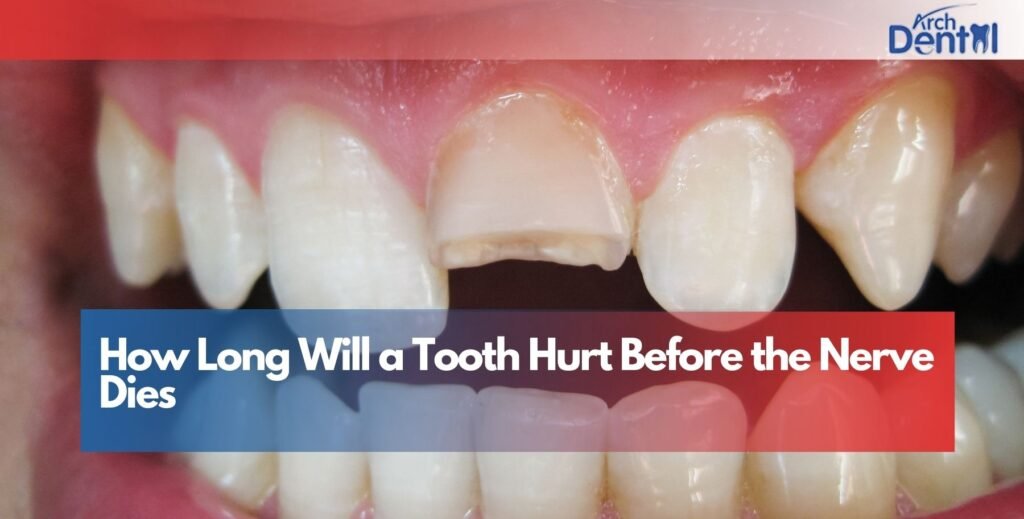
Discoloration can indicate changes inside the tooth. When bacteria or inflammation persist, the tooth may darken or look grayish. Visual changes combined with other symptoms often confirm root canal failure.
Bad Taste or Bad Breath in the Mouth
A foul taste or odor that returns repeatedly may signal a deep infection. Bacteria trapped inside the canal can produce persistent odors that brushing does not eliminate.
Why a Root Canal Can Fail Even After Proper Treatment
Several factors influence the success of a root canal. Even with expert care, conditions inside the tooth may lead to challenges.
Complex Root Anatomy Makes Cleaning Difficult
Teeth can have narrow, curved, or accessory canals that harbor bacteria. If these areas are missed, the infection may return over time, requiring retreatment for complete cleaning.
Cracks or Fractures Allow Bacteria to Enter
Tiny cracks in the enamel can provide entry points for bacteria. These cracks often go unnoticed until infection develops, impacting the long-term success of the root canal.
Delay in Crown Placement Reduces Protection
A treated tooth becomes fragile and needs a crown for stability. Waiting too long to place a crown increases the risk of reinfection or structural damage, which may cause root canal failure.
New Tooth Decay Near the Restoration
Decay around the crown or filling can allow bacteria to reach the canals again. Poor oral hygiene, dietary factors, or gum recession may contribute to new decay and reinfection.
Diagnosing a Failed Root Canal: What Dentists Look For
To determine if retreatment is necessary, your dentist evaluates the tooth carefully using imaging and clinical tests.
Digital X-Rays Reveal Hidden Infection
X-rays help detect bone loss, dark areas around the roots, and signs of inflammation. These findings indicate whether bacteria remain or have returned inside the tooth.
Bite and Pressure Testing Identify Pain Sources
A failing root canal may cause discomfort when chewing. Pressure testing helps determine whether pain originates from the tooth, surrounding tissues, or a cracked root.
Gum Examination Shows Signs of Abscess or Drainage
Your dentist checks the gumline for swelling, tenderness, or fistulas. These symptoms often confirm the presence of infection beneath the surface.
What Is Root Canal Retreatment and How Does It Work?
Root canal retreatment removes old filling materials, cleans the canals again, and reseals the tooth to eliminate lingering bacteria. This procedure offers a second chance for a damaged tooth.
Step 1 – Removing the Old Restoration
Your dentist removes the crown and any filling materials to access the root canals. This step allows complete visibility and prepares the tooth for further cleaning.
Step 2 – Cleaning the Root Canals Thoroughly
Advanced tools remove old gutta-percha and debris from the canals. The dentist disinfects the canals to remove bacteria that may have survived the original procedure.
Step 3 – Refilling and Sealing the Canals
After cleaning, the canals are refilled with fresh material and sealed tightly. This prevents reinfection and strengthens the internal structure of the tooth.
Step 4 – Restoring the Tooth With a New Crown
A new crown protects the tooth and ensures stability. High-quality crowns restore function, appearance, and chewing comfort.
When Root Canal Retreatment May Not Be Enough
In some cases, retreatment alone may not resolve the issue. Additional procedures or alternative treatments may be necessary.
Apicoectomy for Persistent Root End Infection
If bacteria remain near the root tip, an apicoectomy may be recommended. This surgical procedure removes the infected root tip and seals the canal from the bottom.
Tooth Extraction When Restoration Is No Longer Possible
If the tooth is severely fractured, extensively decayed, or structurally compromised, extraction may be the only option. Replacement options include dental implants, bridges, or partial dentures.
Considering Bone Loss Around the Tooth
Severe bone loss may reduce the tooth’s long-term stability. In such cases, retreatment may relieve infection but not resolve overall structural weakness.
How to Prevent Root Canal Failure in the Future
Good oral habits and prompt dental care reduce the risk of reinfection and protect your investment in root canal therapy.
Maintain Daily Oral Hygiene
Brushing twice daily, flossing, and using antibacterial mouth rinses help control bacteria. Consistent home care reduces plaque buildup and prevents new decay around the treated tooth.
Schedule Regular Dental Visits
Routine checkups allow your dentist to monitor your root-canal-treated tooth and catch early signs of reinfection. Professional cleanings remove tartar and prevent gum inflammation.
Protect the Tooth With a Quality Crown
A durable crown shields the tooth from cracks and maintains long-term function. Investing in a high-quality crown reduces the risk of structural failure.
Avoid Chewing Hard Foods on Treated Teeth
Hard foods may cause cracks or stress fractures, especially before the crown is placed. Taking simple precautions preserves tooth strength and reduces risk.
How Long Do Retreated Root Canals Last?
Root canal retreatment has excellent success rates when proper techniques and restoration materials are used.
Most Retreated Teeth Last Many Years
With the right care, retreatment results are long-lasting. Many patients keep their retreated teeth for decades, especially when combined with consistent dental hygiene and strong restoration work.
Success Depends on Root Anatomy and Infection Severity
Teeth with complex canal systems or long-standing infections may have more limited outcomes. Early retreatment improves the chances of long-term success significantly.
Aftercare Plays a Major Role in Longevity
Proper brushing, flossing, crown placement, and regular checkups all contribute to the success of retreatment. Good habits reduce the risk of reinfection and ensure durability.
Pain After a Root Canal: When Is It Normal and When Is It a Warning Sign?
Understanding the difference between typical discomfort and signs of failure helps you make timely decisions about your care.
Normal Healing Pain Lasts Only a Few Days
Mild sensitivity to chewing or temperature changes is common during the first week. This discomfort fades as inflammation resolves and tissues recover from treatment.
Persistent or Sharp Pain Indicates Possible Failure
If pain lasts longer than two weeks, worsens, or returns after initial healing, this may indicate reinfection. Visiting your dentist early improves the outcome of possible retreatment.
Swelling or Abscess Formation Requires Immediate Attention
Visible swelling, pus drainage, or fever suggests a serious infection needing prompt treatment. Ignoring these symptoms can lead to complications such as bone loss.
Why Root Canal Retreatment Is Worth Considering Before Extraction
Saving your natural tooth remains the best long-term option for oral stability and function.
Natural Teeth Maintain Better Chewing Efficiency
Artificial replacements restore chewing but never feel identical to natural teeth. Keeping your natural tooth helps maintain strong bite force and comfort.
Retreatment Is Often More Affordable Than Replacement
Replacing a tooth with implants or bridges can be more expensive than retreatment. Retreatment offers a cost-effective solution that preserves the natural tooth structure.
Preserving Alignment Prevents Bite Issues
Removing a tooth can cause shifting, spacing issues, and bite misalignment. Retreatment stabilizes your smile without additional orthodontic concerns.
Conclusion
A root canal treatment can fail for several reasons, including reinfection, missed canals, delayed crowns, or new decay. Recognizing symptoms such as swelling, persistent pain, gum boils, or discoloration helps you act quickly. Root canal retreatment gives your natural tooth a second chance and prevents complications. For accurate diagnosis and expert care, consult a trusted Dentist in Northampton, MA.