
If you experience discomfort when eating or drinking something hot, cold, or sweet, you’re not alone. Tooth sensitivity affects millions of people, making everyday activities like sipping coffee or enjoying ice cream painful. Fortunately, a sealant for sensitive teeth can offer an effective and long-lasting solution.
Modern dentistry now uses dental sealants for sensitive teeth not just to prevent cavities, but also to shield exposed enamel and reduce sensitivity. Let’s explore how these tooth coatings for sensitive teeth work, their benefits, and whether they’re right for you.
Understanding Tooth Sensitivity and How Sealants Can Help
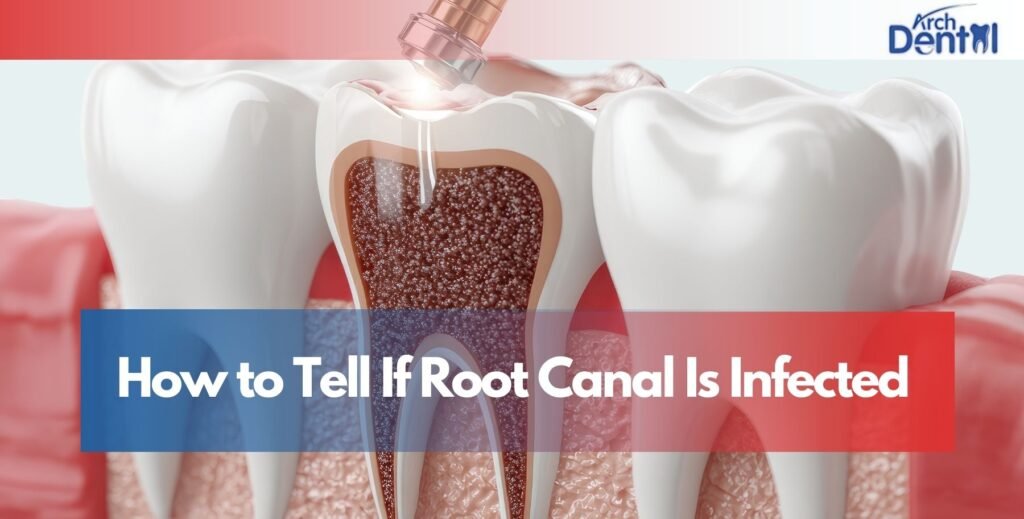
Tooth sensitivity occurs when the protective enamel layer wears down, exposing the dentin — the layer beneath the enamel that contains tiny nerve pathways. When dentin is exposed, cold or hot temperatures reach the nerves inside your tooth, causing sharp pain or discomfort.
A dental sealant for sensitive teeth acts like a protective barrier. It seals exposed areas and blocks external stimuli, reducing discomfort and preventing further enamel erosion.
How Does a Dental Sealant for Tooth Sensitivity Work?
When your dentist applies a dental coating for sensitive teeth, it fills in microscopic cracks and open dentin tubules, preventing temperature changes and bacteria from reaching the inner layers of your tooth. This thin, clear coating hardens into a durable layer that restores comfort and protection.
What Is a Sealant for Sensitive Teeth?
A sealant for sensitive teeth is a thin, plastic-like or resin-based material painted on the chewing surfaces or exposed areas of teeth. While sealants are often used in children to prevent decay, adults with sensitivity can benefit from them as well.
Purpose of Dental Sealants
Sealants serve as a coating for sensitive teeth that protects enamel, seals deep grooves, and covers exposed dentin. They act like a waterproof barrier against acids, temperature changes, and plaque buildup.
Who Can Benefit
People who have enamel wear, gum recession, or naturally thin enamel can benefit the most from dental sealant for tooth sensitivity. It’s also helpful for those recovering from whitening treatments or dental erosion caused by acidic diets.
Dental Sealant for Sensitive Teeth: Step-by-Step Process
Getting a tooth sealant for sensitivity is simple, painless, and completed in one visit.
Step 1: Cleaning and Drying
Your dentist thoroughly cleans the teeth to remove plaque and debris. Then, the teeth are dried to prepare the surface for bonding.
Step 2: Etching and Priming
An etching gel is applied to roughen the surface slightly, helping the dental sealant adhere better. The tooth is then rinsed and dried again.
Step 3: Application of the Sealant
The sensitive teeth coating is painted onto the affected areas. The sealant flows into grooves, cracks, and exposed areas of dentin.
Step 4: Curing
A special blue curing light hardens the sealant for tooth sensitivity within seconds, creating a smooth, protective layer.
Step 5: Finishing and Polishing
Finally, the dentist checks the bite and polishes the surface to ensure a natural feel.
The entire procedure takes about 30 minutes, and you can resume normal eating and drinking right after.
Benefits of Dental Coating for Sensitive Teeth
Dental coating for sensitive teeth offers instant relief by sealing exposed areas, reducing pain from temperature changes, preventing enamel erosion, and protecting teeth from future sensitivity effectively.
Reduces Tooth Sensitivity
The main benefit of using a dental sealant for tooth sensitivity is immediate relief from pain caused by hot, cold, or sweet foods. The coating insulates the exposed areas and blocks nerve stimulation.
Prevents Enamel Wear
By sealing off weak spots, dental coating for sensitive teeth prevents acids and bacteria from eroding the enamel further.
Minimally Invasive and Painless
Unlike fillings or crowns, applying sealants on teeth doesn’t require drilling or anesthesia. It’s a quick and non-invasive treatment.
Long-Lasting Protection
Modern teeth coatings for sensitivity can last several years with proper care. Dentists often reapply them during routine checkups if necessary.
Ideal Preventive Care
In addition to helping with sensitivity, dental sealants also prevent cavities, especially on back teeth where deep grooves can trap food.
When to Consider a Tooth Sealant for Sensitivity
You may need a tooth coating for sensitive teeth if you notice:
- Sharp pain when drinking cold or hot beverages
- Sensitivity after teeth whitening
- Gum recession exposing tooth roots
- Thin or eroded enamel
- Sensitivity to sweet or sour foods
If you identify with any of these symptoms, talk to your dentist about sealants for teeth as part of your treatment plan.
Why Do Some People Experience Pain After Sealants?
It’s rare, but a few patients report that their teeth hurt after sealants. Usually, this discomfort is temporary and fades within a few days.
Common Causes:
- Minor irritation from the etching gel
- High bite after sealant placement (easily adjusted by the dentist)
- Temporary sensitivity as the tooth adapts to the new surface
If the pain persists, your dentist can polish or reshape the sealant for better comfort.
Dental Sealants vs Other Sensitive Teeth Treatments
There are various ways to manage tooth sensitivity, including fluoride varnishes, bonding agents, or desensitizing toothpaste. However, sealants for teeth offer a more durable, protective solution.
Sealants vs Desensitizing Toothpaste
Toothpaste offers short-term relief by blocking nerve signals, while dental sealants for sensitive teeth create a physical barrier for long-lasting protection.
Sealants vs Fluoride Treatment
Fluoride strengthens enamel but doesn’t cover exposed dentin. A sensitive teeth sealant combines protection with insulation against temperature changes.
Sealants vs Bonding
Dental bonding is more aesthetic and used for large exposed areas, while sealants on teeth are thinner and designed for preventive sealing or minor sensitivity relief.
Caring for Your Dental Sealant for Sensitive Teeth
Maintaining your sealant for sensitive teeth is simple and ensures lasting protection.
Maintain Daily Oral Hygiene
Brush twice daily with fluoride toothpaste and floss gently around sealed areas.
Avoid Acidic Foods and Beverages
Limit citrus juices, soda, and vinegar-based foods that can wear down the sealant layer.
Regular Dental Checkups
Have your dentist inspect your sealants on teeth during routine visits. Reapplication may be needed every 2–5 years, depending on wear.
Avoid Chewing Hard Objects
Don’t bite ice or hard candies to prevent chipping or lifting of the teeth coating for sensitivity.
Sealant for Tooth Sensitivity: Long-Term Effectiveness
Patients who choose sealant for tooth sensitivity often notice an immediate reduction in discomfort. With proper care, these coatings can provide multi-year protection and serve as a cost-effective alternative to more invasive procedures.
When combined with fluoride treatments and gentle brushing, a dental sealant for tooth sensitivity can keep your smile comfortable and healthy for years to come.
Conclusion
If you struggle with tooth sensitivity, a sealant for sensitive teeth might be the protective layer you need. It offers immediate comfort, strengthens weak enamel, and prevents further irritation all without pain or drilling.
Whether your sensitivity comes from enamel wear, gum recession, or dental erosion, your Northampton MA dentist can determine whether this treatment is right for you. With proper dental care and routine checkups, sealants can help you enjoy hot and cold foods again without discomfort.
FAQs
Do sealants help sensitive teeth?
Yes, dental sealants for sensitive teeth act as a protective barrier that seals off exposed dentin and enamel, reducing discomfort from temperature changes and acidic foods. They offer longer-lasting relief compared to toothpaste or fluoride rinses.
Why do my teeth hurt after sealants?
Some patients feel mild discomfort after sealant placement. This can occur due to minor bite changes or initial adaptation of the sealant for tooth sensitivity. If pain persists beyond a few days, your dentist can smooth or adjust the sealant.
How to seal exposed dentin?
Dental coating for sensitive teeth or resin-based sealants can seal exposed dentin effectively. Dentists apply a thin layer of composite resin over the area, which is hardened with light to protect against sensitivity and bacterial exposure.
What are sealants for teeth?
Sealants for teeth are thin coatings applied to tooth surfaces to prevent decay and reduce sensitivity. They fill deep grooves and protect enamel from acids, plaque, and bacteria, making them a valuable preventive dental treatment.
What do dentists paint on sensitive teeth?
Dentists often apply sensitive teeth coatings like fluoride varnish, bonding agents, or dental sealant for tooth sensitivity to shield exposed areas, strengthen enamel, and block nerve pathways that trigger pain.
How to stop teeth hurting after ice cream?
Use a tooth sealant for sensitivity, fluoride toothpaste, and desensitizing mouthwash to protect enamel. Avoid brushing immediately after cold foods, and consult your dentist to check for enamel wear or exposed roots.
What should be used to wipe the tooth after the placement of the dental dam?
After isolating a tooth with a dental dam, your dentist wipes it using cotton rolls or an air-water syringe to keep the surface dry. A dry surface ensures strong bonding when applying dental sealants or restorative materials.
Are sealants good for teeth?
Absolutely. Sealants on teeth not only prevent cavities but also help relieve mild to moderate sensitivity. They’re safe, effective, and especially beneficial for patients with enamel wear or gum recession.