Missing teeth affect more than just your smile. They can make eating uncomfortable, cause your other teeth to shift, and even change the shape of your face over time. Fortunately, dental implants have revolutionized modern dentistry providing a permanent, natural-looking solution that restores both function and confidence.
If you’ve been searching for reliable information about dental implants, this comprehensive guide explains why they are considered the gold standard for tooth replacement, how they work, and what you can expect during the process.
What Are Dental Implants
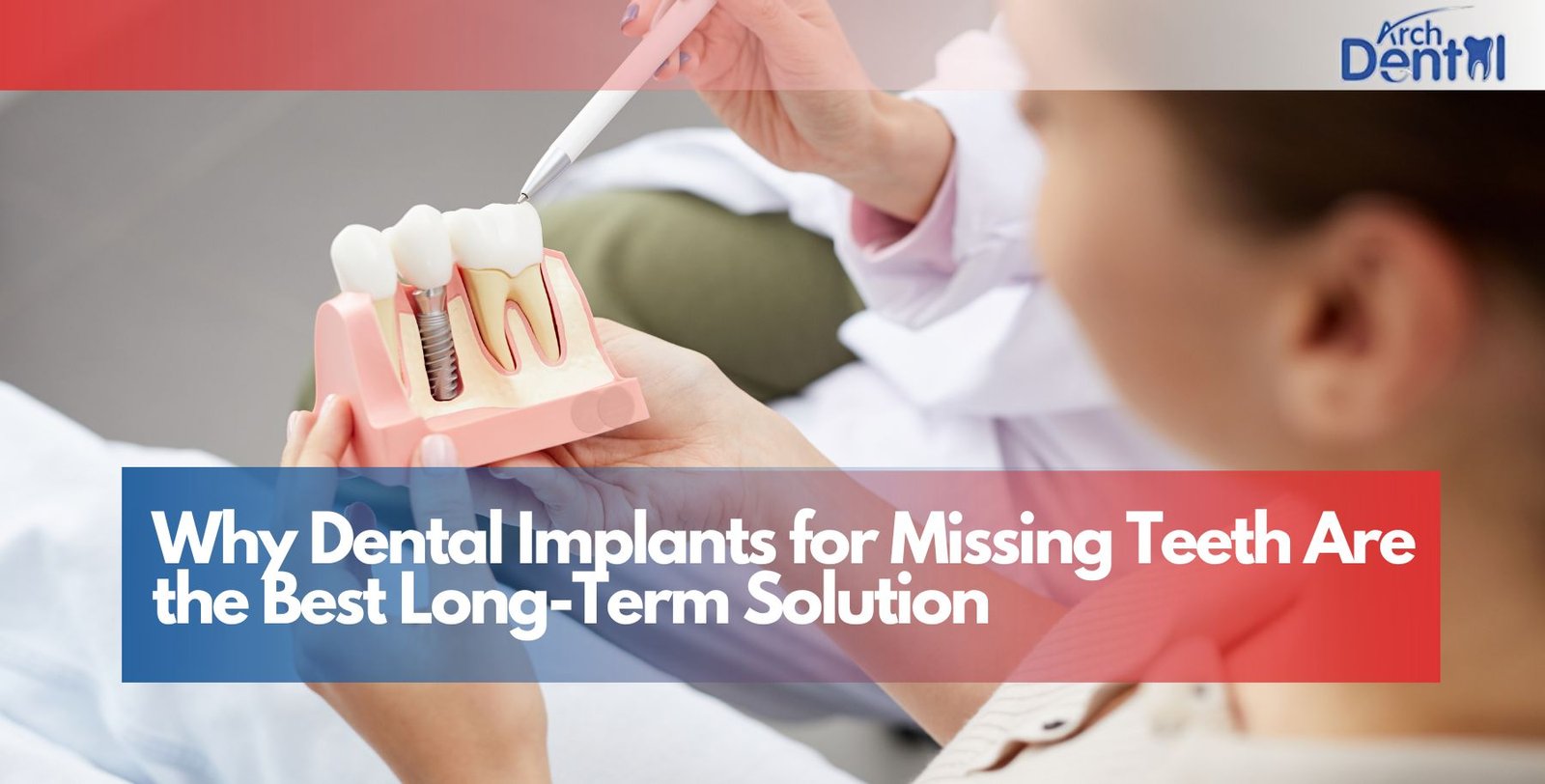
A dental implant is a small titanium post that replaces the root of a missing tooth. It’s surgically placed into your jawbone, where it fuses with the bone through a process called osseointegration. Once healed, it provides a stable foundation for a replacement tooth, bridge, or even a full set of dentures.
Components of a Dental Implant
Each dental implant consists of three main parts:
- Implant Post: The titanium or zirconia screw inserted into the jawbone, serving as an artificial root.
- Abutment: A connector piece that attaches the implant post to the crown.
- Crown: The visible, custom-made tooth that matches your natural smile.
How Dental Implants Work
After placement, the implant integrates with the surrounding bone, creating a strong and permanent anchor for the new tooth. This secure bond allows implants to function like natural teeth, enabling patients to eat, speak, and smile with confidence.
Unlike removable dentures or traditional bridges, implants don’t rely on neighboring teeth for support. They replace both the root and crown of the tooth, preventing the bone loss that typically follows tooth loss.
Benefits of Dental Implants Over Other Dental Replacements
Dental implants have become the preferred tooth replacement option for both dentists and patients and for good reason. They combine durability, comfort, and aesthetics, offering a solution that feels indistinguishable from your natural teeth.
Let’s explore how they compare to other common dental restoration options.
Dental Implants vs. Dentures
Dentures are removable appliances that sit on top of the gums. While they are less expensive upfront, they often come with drawbacks like slipping, discomfort, and maintenance challenges.
Dental implants, on the other hand, are fixed permanently in place. They don’t move while eating or speaking, and they help preserve jawbone strength something dentures can’t do.
Key Difference: Implants prevent bone loss and maintain facial structure, while dentures can accelerate bone resorption over time.
Dental Implants vs. Dental Bridges
Traditional bridges rely on adjacent teeth for support, requiring them to be filed down to anchor the bridge. This process can weaken healthy teeth over time.
Implants eliminate the need to alter neighboring teeth. Each implant supports itself, acting as a stand-alone replacement that doesn’t compromise surrounding enamel.
Key Difference: Implants are independent restorations, while bridges require modification of nearby teeth.
Durability and Longevity
Dental implants can last 25 years or longer, often for life, with proper care. Bridges and dentures typically need replacement every 5–10 years.
Key Difference: Implants are a one-time investment with lasting benefits.
Comfort and Function
Implants feel natural because they fuse directly with the jawbone. They don’t slip or click like dentures, and they allow for normal chewing pressure.
Key Difference: Implants provide complete stability and comfort just like real teeth.
Aesthetic Appeal
Implants are custom-crafted to match your surrounding teeth in color, shape, and size. They blend seamlessly into your smile and enhance your appearance naturally.
Key Difference: Implants restore your smile with realistic aesthetics, boosting both confidence and function.
How Dental Implants Support Oral Health
Beyond aesthetics, dental implants play a crucial role in preserving long-term oral and bone health. Losing even a single tooth can lead to bone deterioration, gum recession, and bite misalignment if left untreated. Implants prevent these complications by mimicking the function of natural tooth roots.
Prevents Bone Loss
When a tooth is lost, the jawbone no longer receives stimulation from chewing. This leads to bone resorption, a process that causes the jaw to shrink and weaken.
Dental implants act as artificial roots, stimulating the jawbone and maintaining bone density. This keeps your facial structure intact and prevents the “sunken” appearance associated with missing teeth.
Preserves Natural Teeth
Unlike bridges, implants don’t rely on neighboring teeth for support. This means the adjacent teeth remain untouched, preserving their natural strength and health.
Prevents Gum Recession
The stability of implants reduces pressure on gums and prevents irritation or shrinkage that can occur with removable prosthetics.
Improves Oral Hygiene
Cleaning implants is as simple as caring for natural teeth brushing, flossing, and routine dental checkups. There are no special cleaning solutions or adhesives required, unlike with dentures.
Enhances Chewing and Digestion
Implants restore full bite force, allowing you to chew food effectively. Better chewing leads to improved digestion and overall nutrition benefits that extend beyond your smile.
The Dental Implant Procedure: What to Expect
Many patients feel nervous about the idea of surgery, but implant placement is a routine procedure performed under local anesthesia with minimal discomfort. Understanding each step can help ease anxiety and clarify the process.
Consultation and Examination
Your journey begins with a comprehensive consultation. Your dentist examines your gums, teeth, and jawbone through X-rays or 3D scans. They’ll also review your medical history to ensure you’re a good candidate for implants.
During this stage, your treatment plan is customized based on the number of missing teeth and bone condition. If needed, additional procedures like bone grafting or sinus lifts may be planned.
Implant Placement
Once the plan is finalized, the titanium implant post is surgically inserted into the jawbone. The procedure usually takes 1–2 hours per implant and is performed under local anesthesia or sedation.
Healing and Osseointegration
Over the next 3–6 months, the implant fuses with the bone through osseointegration. This process is what gives implants their long-lasting stability. During this time, a temporary crown or denture may be provided to maintain appearance and function.
Abutment Placement
Once healing is complete, an abutment of the small connector piece is attached to the implant. This is what holds your permanent crown securely in place.
Crown Attachment
Finally, your custom-made crown is placed on top of the abutment. Designed to match your natural teeth, it restores your smile’s appearance and functionality.
Your dentist will make final adjustments to ensure a perfect fit and natural bite alignment.
Recovery and Aftercare
After surgery, mild swelling or soreness may occur for a few days. Following your dentist’s post-operative instructions such as eating soft foods and maintaining good oral hygiene — ensures quick healing.
You’ll also attend follow-up visits to monitor progress and ensure the implant is stable and healthy.
Why Choose Dental Implants for Your Dental Care Needs
When it comes to replacing missing teeth, dental implants stand out as the best long-term solution for function, aesthetics, and oral health. Here’s why they’re the preferred choice for patients and dentists alike.
Permanent and Reliable
Unlike dentures or bridges, implants fuse directly with your bone, creating a lasting bond. With proper care, they can last a lifetime, making them the most cost-effective long-term solution.
Natural Look and Feel
Implants are designed to mimic natural teeth in every aspect. Once placed, they look, feel, and function just like your real teeth, allowing you to smile confidently again.
Restores Self-Confidence
A complete smile changes the way you look and feel. Patients often report improved confidence, speech, and comfort after receiving dental implants.
Easy Maintenance
Dental implants don’t require special cleaning solutions, adhesives, or overnight soaking. Brushing and flossing are all it takes to keep them healthy.
Long-Term Health Investment
While the initial cost may be higher than other restorations, implants rarely need replacement. This makes them a smart and sustainable investment in your oral and overall health.
Enhanced Quality of Life
From eating your favorite foods to laughing freely in photos, dental implants bring comfort and freedom that removable dentures can’t match.
If you’re exploring options and searching for dental implants near me, find a trusted implant specialist who uses modern technology and proven materials for best results. Whether it’s one tooth or a full arch, a skilled dentist can help you achieve a beautiful and functional smile that lasts for decades.
Choosing the Right Dentist for Your Implant Treatment
Your choice of dentist plays a major role in the success of your implant treatment.
Qualities to Look For
- Specialized training in implant dentistry
- Access to advanced technology like 3D imaging
- A track record of successful implant placements
- A caring, patient-focused approach
If you’re looking for a dentist near me in Northampton MA, choose a provider who offers personalized care and takes the time to understand your dental goals and comfort level.
Caring for Your Dental Implants
Dental implants require regular maintenance, just like natural teeth.
Daily Care Tips
- Brush twice a day with a soft-bristled toothbrush.
- Floss daily using implant-safe floss or water flossers.
- Avoid hard or sticky foods immediately after placement.
- Schedule checkups every 6 months.
Proper care helps prevent gum inflammation (peri-implantitis) and ensures your implant lasts a lifetime.
Conclusion
Dental implants are more than just a cosmetic fix they’re a complete restoration of your smile’s health, strength, and beauty. With their natural look, unmatched durability, and ability to preserve bone structure, they remain the best long-term solution for missing teeth.
Whether you’ve lost a single tooth or several, implants can restore your confidence and improve your overall quality of life. Consult your near me dentist today to explore your personalized implant options and take the first step toward a permanent, healthy smile.
FAQs
Are dental implants a permanent solution for missing teeth?
Yes. Dental implants are designed to last a lifetime. The titanium post fuses with your jawbone, providing a permanent foundation for your replacement tooth. With good oral hygiene and regular checkups, they can last indefinitely.
How long does the dental implant procedure take?
The process typically takes 3 to 9 months, depending on bone health and healing time. The implant surgery itself is completed in 1–2 hours, but full osseointegration takes several months before the final crown is attached.
Are dental implants better than dentures?
Yes. Implants are fixed, stable, and prevent bone loss — unlike dentures, which can slip, cause discomfort, and weaken the jawbone over time. Implants also look and feel like natural teeth, offering a superior experience.
What are the risks associated with dental implants?
Dental implants have a very high success rate (over 95%). However, rare risks include infection, nerve irritation, or implant failure due to poor bone quality or smoking. Choosing an experienced dentist minimizes these risks.
How do I know if I need dental implants?
If you have one or more missing teeth, healthy gums, and sufficient jawbone, you’re likely a good candidate. A consultation with your dentist will include X-rays and a personalized evaluation to confirm your suitability for implants.