Cavities are one of the most common dental problems, especially among children and teenagers. Even with good brushing and flossing habits, some areas of the teeth especially the back teeth are difficult to keep clean. These molars and premolars have deep grooves, pits, and tiny crevices where bacteria can easily hide. Dental sealants offer a simple, painless, and highly effective way to protect these vulnerable areas and dramatically reduce the risk of tooth decay.
This guide explains what dental sealants are, how they work, who benefits from them, and why they are considered one of the best preventive tools in modern dentistry.
What Are Dental Sealants?
Dental sealants are thin, protective coatings applied to the chewing surfaces of molars and premolars. They are typically made from tooth-colored resin and are designed to seal out food particles, plaque, and bacteria. Once hardened, the sealant forms a smooth, protective layer over the natural grooves of the teeth, reducing the risk of cavities.
Molars have naturally deep grooves and uneven surfaces. Because toothbrush bristles cannot reach every part of these grooves, plaque builds up and leads to decay. Sealants smooth these surfaces, making them much easier to clean and protect. Sealants are nearly invisible. They blend in with the natural tooth color and do not affect how teeth feel when biting or chewing. Most patients forget they are even there.
How Dental Sealants Prevent Cavities
Dental sealants provide a physical barrier that stops decay before it begins. This makes them one of the most effective preventive treatments available today.
Blocking Food and Bacteria From Settling in Grooves
Without sealants, food particles and plaque easily settle inside the grooves of molars. These areas are extremely difficult to clean. By sealing these grooves, dentists block bacterial activity and dramatically reduce cavity formation.
Smoother Surfaces Make Teeth Easier to Clean
Once sealants are placed, the tooth surface becomes smoother, ensuring that brushing removes more plaque. This helps children, teens, and even adults who struggle reaching all areas of the mouth.
Providing Long-Lasting Protection Against Decay
Sealants protect teeth for many years. They act as a shield against acids, sugars, and harmful bacteria. Even if a sealant wears down slightly over time, the tooth underneath remains better protected than without one.
Who Should Get Dental Sealants?
Sealants are commonly recommended for children, but adults benefit as well. Any tooth with deep grooves or a history of cavities is a candidate for sealants.
Sealants for Children
Most dentists recommend sealing the first molars around age six and the second molars around age twelve. At these ages, new permanent teeth have just erupted and are especially vulnerable to cavities.
Sealants for Teenagers
Teens often experience an increase in cavity risk due to snacking habits, sugary drinks, orthodontic appliances, and less consistent brushing. Sealants protect these important years of tooth development.
Sealants for Adults
Adults with deep grooves, early signs of decay, or a history of cavities can greatly benefit from sealants. They help prevent future problems and reduce the need for fillings or more complex treatments later.
The Dental Sealant Procedure: Quick, Simple, and Painless
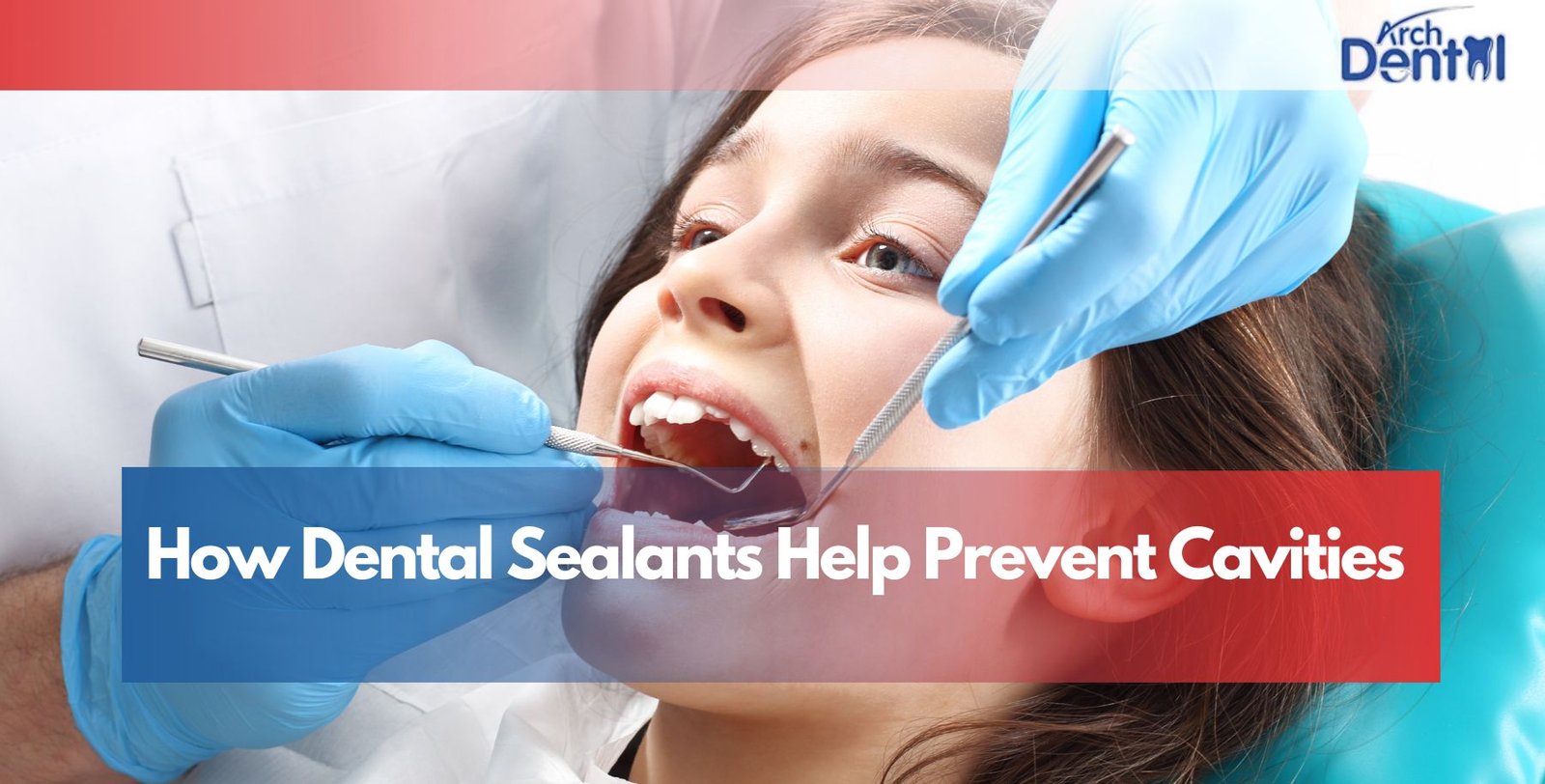
Applying dental sealants is one of the simplest procedures in dentistry. It requires no drilling, no anesthesia, and no discomfort.
Step 1 — Cleaning the Tooth Surface
The dentist begins by thoroughly cleaning and drying the tooth to ensure no food or bacteria remain inside the grooves.
Step 2 — Preparing the Tooth With a Conditioning Gel
A gentle gel is applied to roughen the enamel slightly. This helps the sealant material bond tightly to the tooth surface.
Step 3 — Applying the Sealant Material
The liquid sealant is painted into the grooves of the tooth. Its thin consistency allows it to flow into even the smallest crevices.
Step 4 — Hardening the Sealant With a Curing Light
A special blue light is used to harden and secure the sealant. Within seconds, the material becomes a strong, protective coating.
How Long Do Dental Sealants Last?
Sealants are durable and long-lasting, making them a smart investment in long-term oral health. Most sealants last between five and ten years. With good oral care, they may last even longer. Dentists check sealants during routine visits. If wear or chipping occurs, the sealant can be repaired or replaced quickly. Thousands of studies support their effectiveness. Sealants are approved by major dental organizations and used widely around the world.
Benefits of Dental Sealants Beyond Cavity Prevention
While sealants are best known for preventing cavities, their benefits extend much further.
Reducing Future Dental Costs
Preventing cavities early means fewer fillings, crowns, and more complex treatments in the future saving time, discomfort, and money.
Supporting Children With Oral Hygiene Challenges
Young children and students with orthodontic braces may struggle with thorough brushing. Sealants offer strong protection during these vulnerable years.
Improving Overall Oral Health
A cavity-free mouth reduces the risk of gum inflammation, infection, and bacteria spreading to other parts of the body.
Are There Any Risks or Side Effects?
Sealants are extremely safe and rarely cause complications. Still, knowing what to expect helps patients feel comfortable.
Possible Sealant Wear or Chipping
Over time, sealants may wear down or chip. This does not harm the tooth but means a replacement may be needed.
Rare Allergic Reactions
Allergic reactions to sealant materials are uncommon, but patients with material sensitivities should notify their dentist.
Sealants Do Not Replace Brushing and Flossing
Sealants protect the chewing surfaces but not the sides of teeth. Good oral hygiene remains essential.
How Sealants Fit Into a Complete Cavity-Prevention Plan
Sealants work best when combined with daily dental habits and regular visits.
Fluoride Treatment and Sealants Together
Fluoride strengthens tooth enamel, while sealants protect vulnerable surfaces. Together, they create a powerful defense against decay.
Consistent Brushing and Flossing
Brush twice daily with fluoride toothpaste. Flossing removes plaque between teeth where sealants cannot reach.
Routine Dental Exams
Professional cleanings help maintain oral health, detect issues early, and ensure sealants remain intact.
Conclusion
Dental sealants offer a safe, painless, and highly effective way to stop cavities before they start. By sealing deep grooves in the molars, they block bacteria, protect enamel, simplify cleaning, and support long-term dental health for children, teens, and adults. Whether used alone or combined with fluoride and good oral habits, dental sealants are one of the strongest tools in modern preventive dentistry. For expert guidance and personalized care, visit a trusted Dentist in Northampton, MA who can help you decide if sealants are right for you or your child.