Maintaining optimal oral health requires more than just daily brushing and flossing regular professional dental cleanings and checkups form the cornerstone of preventive dental care. Many patients wonder exactly how frequently they should visit their dentist for these essential appointments, with the traditional recommendation of twice-yearly visits being widely known but not universally applicable to everyone. The truth is that the ideal frequency for dental visits varies based on individual factors including your current oral health status, risk factors for dental disease, age, lifestyle habits, and medical conditions affecting your teeth and gums. Understanding what happens during professional dental cleanings and examinations, why these appointments matter so profoundly for preventing cavities and gum disease, and what factors might require more or less frequent visits helps you make informed decisions about your dental care schedule. This comprehensive guide explores the science behind dental cleaning recommendations, factors influencing your personal needs, and how to work with your dental team to establish the optimal appointment frequency for maintaining your healthiest smile.
The Standard Recommendation: Twice-Yearly Visits
The widely recognized guideline of visiting your dentist every six months has solid scientific and practical foundations, though it serves as a baseline rather than a universal rule.
Why Six Months Became the Standard
The six-month interval for dental checkups evolved from research showing that most people develop significant plaque and tartar buildup within this timeframe that requires professional removal.
Plaque accumulates daily on tooth surfaces despite regular brushing, and it begins mineralizing into tartar (calculus) within 24-72 hours. Once hardened, tartar cannot be removed by brushing alone and requires professional dental cleaning instruments. For the average person with good oral hygiene and no significant risk factors, tartar typically reaches levels requiring removal approximately every six months.
What Happens During These Appointments
Dental checkups and cleanings serve multiple crucial functions that home care cannot replicate, making regular visits essential for oral health maintenance.
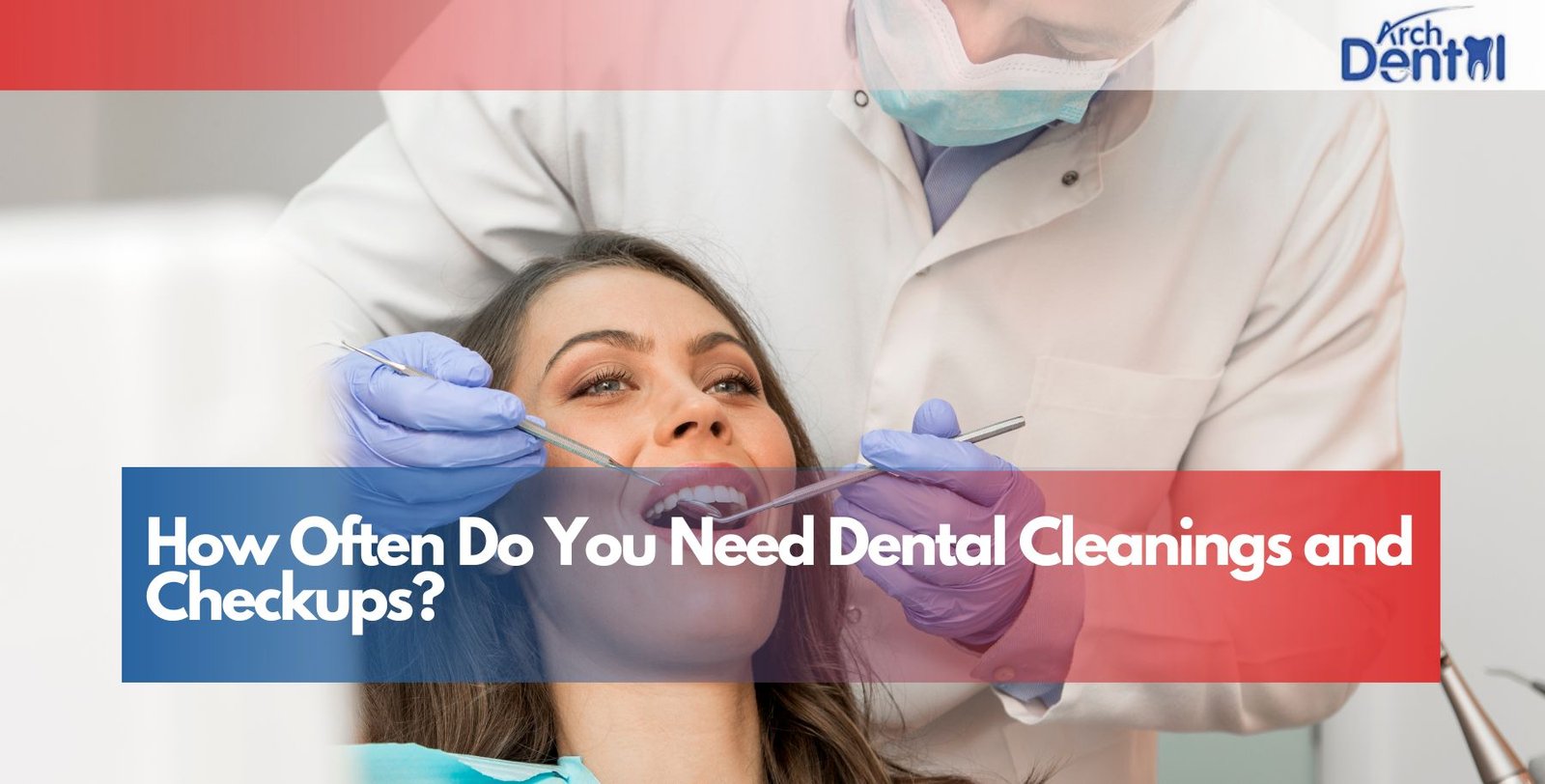
Your dental hygienist performs a thorough professional cleaning removing all plaque and tartar from tooth surfaces, particularly below the gum line where your toothbrush cannot reach. This process, called scaling, uses specialized instruments to eliminate bacterial deposits that cause cavities and gum disease.
The dentist conducts a comprehensive oral examination checking each tooth for decay, examining gums for periodontal disease, screening for oral cancer, assessing existing dental work like fillings and crowns, and identifying any developing problems. Dental X-rays taken periodically reveal issues not visible during visual examination, including cavities between teeth, bone loss from gum disease, and problems beneath existing restorations.
Benefits of Twice-Yearly Visits
Regular dental appointments every six months provide numerous advantages that protect both your oral health and overall wellbeing while potentially saving significant money long-term.
Early problem detection allows treating dental issues when they’re small, simple, and inexpensive rather than waiting until they become painful emergencies requiring extensive treatment. A small cavity caught early needs only a simple filling, while the same cavity left untreated might eventually require a root canal and crown.
Professional cleaning removes bacterial plaque and tartar that cause gum inflammation (gingivitis) and eventual periodontitis if left unchecked. Regular removal prevents these conditions from developing or worsening. Prevention saves money—the cost of two preventive care visits annually is far less than treating advanced dental disease that develops from neglect.
Who Should Follow This Schedule
The six-month recommendation works well for individuals with generally good oral health and few risk factors for dental problems.
If you brush twice daily and floss once daily, have no current cavities or gum disease, don’t smoke or use tobacco, have no chronic health conditions affecting oral health, and have had minimal dental problems historically, then twice-yearly visits likely provide adequate professional care supplementing your excellent home hygiene.
When Six Months Isn’t Enough
Many people require more frequent dental visits than the standard recommendation due to various risk factors and conditions that accelerate dental disease development.
If you have active gum disease, your dentist will likely recommend periodontal maintenance cleanings every 3-4 months to control bacterial populations and prevent disease progression. Individuals with history of frequent cavities may need more frequent monitoring and preventive treatments like professional fluoride applications.
Factors That Influence Your Cleaning Frequency
Your personal dental cleaning needs depend on multiple individual factors rather than a one-size-fits-all timeline, requiring customized scheduling based on your specific situation.
Current Oral Health Status
Your existing oral health condition represents the most significant factor determining how frequently you need professional dental care.
Active gum disease (periodontal disease) requires more frequent intervention typically periodontal cleanings every 3-4 months to remove bacterial plaque before it causes additional bone and tissue destruction. Gingivitis, the early, reversible stage of gum disease, may warrant three visits annually until inflammation resolves.
History of cavities suggests higher susceptibility to tooth decay, indicating need for more frequent dental checkups (every 3-4 months) allowing earlier detection and more frequent professional fluoride treatments. Existing dental work including multiple fillings, crowns, bridges, or dental implants requires closer monitoring as these restorations create additional surfaces where plaque accumulates and new decay can develop.
Age-Related Considerations
Your age influences oral health risks and therefore appropriate dental visit frequency due to physiological changes and varying susceptibility to dental problems.
Children and adolescents often benefit from more frequent dental visits every 4-6 months as they’re learning proper oral hygiene, their teeth are more vulnerable to cavities, and early intervention for orthodontic issues proves most effective. Older adults frequently need more frequent care due to medication-induced dry mouth, accumulated dental work, gum recession exposing vulnerable root surfaces, and increased chronic health conditions affecting oral health.
Pregnant women should maintain regular dental cleanings or increase frequency, as hormonal changes increase gingivitis risk and oral health affects pregnancy outcomes.
Lifestyle and Behavioral Factors
Your daily habits and lifestyle choices significantly impact plaque accumulation and dental disease risk, influencing how often professional cleaning becomes necessary.
Smoking and tobacco use dramatically increase gum disease risk and severity while reducing healing capacity, typically necessitating dental cleanings every 3-4 months. Diet high in sugar or acidic foods accelerates tooth decay, potentially requiring more frequent monitoring and preventive care.
Poor oral hygiene habits inadequate brushing or skipping flossing allow rapid plaque and tartar buildup requiring professional removal more frequently than every six months. Grinding or clenching teeth (bruxism) causes abnormal wear and can damage dental work, warranting closer monitoring.
Medical Conditions Affecting Oral Health
Various chronic health conditions and medications influence oral health, often requiring adjusted dental visit frequency for optimal care.
Diabetes, especially poorly controlled, significantly increases periodontal disease risk and severity while slowing healing, typically necessitating cleanings every 3-4 months. Heart disease and stroke history correlate with gum disease, with some research suggesting oral bacteria may contribute to cardiovascular problems.
Immune system disorders or medications suppressing immunity (like those for organ transplants, cancer treatment, or autoimmune diseases) increase infection risk including oral infections. Dry mouth (xerostomia) from medications, medical treatments, or conditions dramatically increases cavity and gum disease risk, often requiring more frequent professional care and preventive treatments.
Genetic and Individual Susceptibility
Beyond controllable factors, genetic and biological variations affect dental disease susceptibility, influencing your optimal dental care schedule.
Some individuals are heavy calculus formers, rapidly developing tartar despite excellent home care due to saliva composition and pH these patients benefit from cleanings every 3-4 months. Genetic predisposition to gum disease or cavities exists, with some people developing problems despite good hygiene while others remain relatively cavity-free with mediocre habits.
Individual immune response to oral bacteria varies, with some people’s bodies mounting aggressive inflammatory responses to plaque causing rapid gum disease progression, while others tolerate higher bacterial levels with minimal inflammation.
Signs You Need More Frequent Dental Visits
Certain symptoms and changes indicate your current dental visit frequency isn’t adequate, signaling need for more frequent professional care.
Bleeding or Inflamed Gums
Bleeding gums when brushing or flossing, or spontaneous bleeding, indicates gum inflammation (gingivitis) or periodontal disease requiring more aggressive intervention.
Healthy gums shouldn’t bleed during normal oral hygiene any bleeding suggests bacterial infection and inflammation needing professional treatment. Red, swollen, or puffy gums instead of healthy pale pink tissue signals active inflammation requiring more frequent professional cleanings to control bacterial populations.
Persistent Bad Breath
Chronic bad breath (halitosis) that doesn’t improve with brushing, flossing, and mouthwash often indicates gum disease, trapped food debris, or bacterial overgrowth requiring professional attention.
Persistent unpleasant taste accompanies chronic halitosis and similarly suggests oral health problems needing more frequent professional care for resolution.
Increased Tooth Sensitivity
New or worsening tooth sensitivity to hot, cold, or sweet substances may indicate gum recession exposing sensitive root surfaces, developing cavities, or enamel erosion—all warranting professional evaluation and potentially more frequent monitoring.
Visible Tartar Buildup
If you notice hard, discolored deposits along your gum line or between teeth before your next scheduled appointment, you’re forming tartar rapidly and likely need more frequent professional cleanings.
Loose Teeth or Changing Bite
Adult teeth shouldn’t feel loose or mobile any movement indicates significant bone loss from advanced gum disease requiring immediate care and more aggressive treatment frequency. Changes in how your teeth fit together when biting suggest tooth movement from periodontal disease or other problems needing prompt professional attention.
Maximizing Benefits Between Appointments
What you do between dental visits significantly impacts your oral health and may influence how often you need professional care.
Daily Home Care Essentials
Excellent home oral hygiene extends time between necessary professional cleanings while preventing dental problems that require treatment.
Brush twice daily for two full minutes using proper technique with fluoride toothpaste and a soft-bristled brush, reaching all tooth surfaces especially along the gum line. Floss once daily removing plaque and food particles from between teeth where brushes cannot reach—this step is non-negotiable for gum health.
Use antimicrobial mouthwash if recommended by your dentist, particularly if you’re prone to gum disease or cavities. Replace your toothbrush every 3-4 months or sooner if bristles become frayed.
Dietary Choices for Oral Health
Your diet directly impacts plaque formation and tooth decay risk, influencing how well you maintain oral health between professional cleanings.
Limit sugary foods and beverages that feed cavity-causing bacteria. Reduce acidic foods and drinks that erode enamel. Choose tooth-friendly snacks like cheese, nuts, and raw vegetables. Drink plenty of water throughout the day to rinse away food particles and maintain saliva production.
Monitoring Your Oral Health
Pay attention to changes in your mouth between appointments, addressing concerns promptly rather than waiting for scheduled visits.
Check your gums regularly they should be pale pink, firm, and shouldn’t bleed. Notice any tooth sensitivity or pain developing. Watch for changes in existing dental work like fillings becoming rough or crowns feeling loose. Contact your dentist between regular appointments if you notice concerning changes.
Using Preventive Products
Additional preventive products may benefit individuals at higher risk for dental problems, potentially extending time between needed professional treatments.
Prescription-strength fluoride toothpaste helps patients prone to cavities. Xylitol-containing products (gum, mints) reduce cavity-causing bacteria. Water flossers supplement traditional flossing for those with gum disease or difficulty using string floss. Remineralizing products strengthen enamel and reverse early decay.
Compliance With Recommended Frequency
Actually attending dental appointments at the frequency your dentist recommends whether every 3, 4, or 6 months provides the foundation for maintaining oral health.
Schedule your next appointment before leaving each visit. Set reminders in your calendar or phone. Prioritize dental visits as essential health appointments, not optional. Understand that skipping or postponing cleanings allows plaque and tartar accumulation that advances toward disease, ultimately costing more in treatment than preventive care would have.
Conclusion
The investment in appropriate preventive dental care, whether that means visits every 3, 4, or 6 months, protects your oral health, prevents painful and expensive dental emergencies, and contributes to your overall wellbeing and quality of life. For personalized dental cleaning frequency recommendations based on your individual oral health needs, comprehensive preventive care, and ongoing monitoring ensuring your teeth and gums remain healthy, consult with an experienced Dentist in Northampton, MA who can assess your risk factors, examine your current oral health status, and develop a customized care plan that maintains your optimal dental health for years to come.