Restorative dentistry has revolutionized the way dental professionals approach damaged teeth, offering patients innovative solutions to preserve their natural smile and restore optimal oral health. When teeth become compromised due to tooth decay, trauma, or dental disease, restorative dental procedures provide a pathway to recovery that maintains both function and aesthetics. Understanding how these advanced techniques work can help patients make informed decisions about their dental treatment options and recognize the importance of timely intervention.
Understanding Restorative Dentistry
Restorative dentistry encompasses a comprehensive range of dental procedures designed to repair, replace, or restore damaged or missing teeth to their natural form and function. This specialized branch of dentistry focuses on diagnosing oral health problems and implementing effective treatment solutions that address both structural and cosmetic concerns. The primary goal is to preserve natural teeth whenever possible while ensuring long-term oral health and preventing further complications that could compromise the entire dental structure.
The foundation of restorative dental care lies in its ability to intervene at various stages of tooth damage, from minor cavities to severe structural compromise. Modern dental technology has expanded the toolkit available to dentists, enabling them to perform increasingly sophisticated procedures with greater precision and improved patient comfort. These advancements have transformed outcomes for millions of patients worldwide who face dental problems that once seemed insurmountable.
Common Causes of Tooth Damage
Understanding what damages teeth helps patients recognize warning signs early and seek timely intervention to prevent extensive dental problems requiring complex treatment.
Tooth Decay and Cavities
Tooth decay remains the most prevalent cause of dental damage globally, affecting individuals across all age groups and demographics. When bacteria in the mouth produce acids that erode tooth enamel, the protective outer layer begins to deteriorate, creating cavities that penetrate deeper into the tooth structure. Without prompt intervention through dental fillings or other restorative treatments, this decay progresses to affect the dentin and eventually the dental pulp, leading to severe pain and potential tooth loss.
The progression of dental caries can be insidious, often causing minimal discomfort in early stages while silently compromising tooth integrity. Regular dental checkups play a crucial role in detecting these problems before they become severe, allowing for conservative dental restoration that preserves more of the natural tooth structure. Prevention through proper oral hygiene and professional dental care remains the best defense against decay-related damage.
Dental Trauma and Injury
Dental trauma resulting from accidents, sports injuries, or physical impact can cause immediate and severe damage to teeth, ranging from minor chips to complete tooth fractures or avulsion. These injuries require urgent attention from a dental professional to assess the extent of damage and implement appropriate emergency dental care. Rapid response is particularly critical for knocked-out teeth, where reimplantation success rates decrease significantly with each passing hour.
Impact injuries may also cause internal damage that isn’t immediately visible, including cracks in the tooth root or injury to the periodontal ligament that anchors teeth to the jawbone. Dental X-rays and thorough examination help identify hidden damage that could lead to complications if left untreated. Modern restorative dentistry techniques can often save teeth that would have been lost in previous decades, thanks to advanced materials and procedures.
Bruxism and Teeth Grinding
Bruxism, the habitual grinding or clenching of teeth, places enormous pressure on tooth surfaces and can gradually wear down tooth enamel, leading to sensitivity, fractures, and structural weakness. This condition often occurs during sleep, making patients unaware of the damage accumulating over time. Dental restorations like dental crowns or custom mouthguards can protect teeth from further deterioration while addressing existing damage through targeted cosmetic dentistry and restorative procedures.
The consequences of untreated teeth grinding extend beyond surface wear, potentially affecting the temporomandibular joint (TMJ) and causing chronic facial pain or headaches. Comprehensive dental treatment plans address both the symptoms and underlying causes, often incorporating dental appliances that prevent contact between upper and lower teeth during sleep. Early intervention through preventive dentistry can spare patients from extensive dental work later in life.
Types of Restorative Dental Procedures
Modern dentistry offers diverse restorative treatments tailored to specific damage types, ensuring every patient receives appropriate care for their unique dental condition.
Dental Fillings
Dental fillings represent the most common restorative procedure, used to repair teeth damaged by tooth decay or minor fractures. Modern composite fillings utilize tooth-colored resin materials that bond directly to the tooth structure, providing both strength and natural aesthetics that blend seamlessly with surrounding teeth. Unlike traditional amalgam fillings, these advanced materials allow for more conservative preparation, preserving more healthy tooth structure while delivering durable, long-lasting results.
The process of placing dental fillings involves removing decayed or damaged tissue, cleaning the affected area, and carefully layering the filling material to restore the tooth’s original shape and function. Dentists may also use ceramic fillings or gold fillings for specific situations, each offering unique advantages in terms of durability, biocompatibility, and aesthetic appeal. Proper placement and finishing ensure comfortable bite alignment and prevent sensitivity that could impact daily activities.
Dental Crowns
Dental crowns, also known as tooth caps, provide comprehensive coverage for severely damaged teeth that cannot be adequately restored with fillings alone. These custom-fabricated restorations encapsulate the entire visible portion of the tooth, providing strength, protection, and improved appearance. Porcelain crowns, ceramic crowns, and zirconia crowns offer excellent aesthetics for front teeth, while metal crowns or porcelain-fused-to-metal crowns provide maximum durability for back teeth that endure heavy chewing forces.
The crown placement process typically requires two visits, during which the dentist prepares the tooth, takes impressions, and places a temporary crown while the permanent restoration is fabricated in a dental laboratory. Advanced CAD/CAM technology has enabled same-day crown fabrication in many dental offices, eliminating the need for temporary restorations and reducing treatment time. Dental crowns can last fifteen to thirty years with proper care, making them a reliable long-term solution for damaged teeth.
Root Canal Therapy
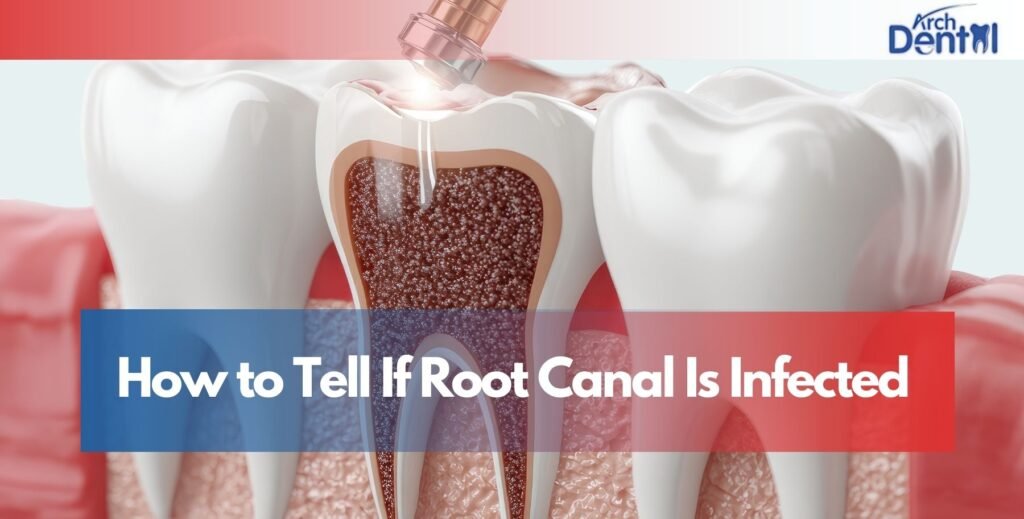
Root canal treatment, or endodontic therapy, becomes necessary when tooth decay or trauma reaches the dental pulp, the soft tissue containing nerves and blood vessels inside the tooth. This procedure involves removing infected or damaged pulp, cleaning and disinfecting the root canals, and sealing the space to prevent reinfection. Despite its reputation, modern root canal therapy is relatively comfortable thanks to advanced anesthesia techniques and pain management protocols that ensure patient comfort throughout the procedure.
Following root canal treatment, teeth typically require dental crowns to protect the remaining structure and prevent fractures, as teeth without pulp can become brittle over time. Endodontic treatment saves teeth that would otherwise require extraction, preserving natural tooth roots that maintain jawbone integrity and prevent the bone loss that follows tooth extraction. Success rates exceed ninety percent, making root canals a highly effective method for addressing severe dental infections and preserving natural teeth.
Dental Bridges
Dental bridges replace one or more missing teeth by anchoring artificial teeth to adjacent natural teeth or dental implants. Traditional fixed bridges utilize dental crowns placed on teeth flanking the gap, supporting the pontic (artificial tooth) that fills the space. Implant-supported bridges offer enhanced stability without requiring modification of healthy adjacent teeth, representing a more conservative approach that preserves natural tooth structure while delivering superior long-term outcomes.
The placement of dental bridges restores both function and appearance, preventing remaining teeth from shifting into vacant spaces and maintaining proper bite alignment. Modern bridge materials like all-ceramic and zirconia provide exceptional strength and aesthetics that rival natural teeth. With proper oral hygiene and regular dental care, bridges can function successfully for ten to fifteen years, offering a reliable tooth replacement option for patients missing one or several teeth.
Dental Implants
Dental implants represent the gold standard for tooth replacement, providing permanent, stable foundations that function like natural tooth roots. These titanium posts surgically placed in the jawbone integrate with surrounding bone through osseointegration, creating a secure anchor for dental crowns, bridges, or dentures. Implant dentistry has transformed the lives of millions of patients, offering solutions that restore full chewing capability and prevent the facial changes associated with tooth loss.
The dental implant process typically spans several months, allowing time for healing and bone integration before the final restoration is attached. Single tooth implants, implant-supported bridges, and implant-supported dentures provide versatile options for patients missing one tooth or all teeth. Success rates exceed ninety-five percent when proper oral hygiene is maintained, making implants the most reliable long-term solution for missing teeth and a cornerstone of modern restorative dentistry.
Dentures
Dentures offer a removable solution for patients missing multiple teeth or requiring full mouth reconstruction. Partial dentures replace several teeth while preserving remaining natural teeth, while complete dentures restore an entire arch when all teeth are missing. Modern denture technology has dramatically improved fit, comfort, and appearance, with materials that closely replicate the translucency and color variation of natural gum tissue and teeth.
Implant-supported dentures combine the affordability of traditional dentures with the stability of dental implants, eliminating concerns about slipping or clicking during speech and eating. These hybrid solutions attach to implant abutments, providing security without the need for denture adhesives. Whether conventional or implant-retained, modern dentures restore confidence and functionality, enabling patients to enjoy diverse foods and social interactions without self-consciousness about their smile.
Benefits of Restorative Dentistry
Restorative dental treatments deliver transformative advantages beyond simply fixing teeth, improving overall health, confidence, and quality of life for patients seeking comprehensive solutions.
Preserving Natural Teeth
The paramount benefit of restorative dentistry lies in its ability to save natural teeth that might otherwise require extraction. Preserving tooth roots maintains jawbone density and prevents the resorption that occurs following tooth loss. Natural teeth provide superior sensory feedback during chewing and maintain the structural integrity of the dental arch, preventing adjacent teeth from shifting and creating orthodontic problems that compromise overall oral health.
Conservative dental restorations like fillings and inlays remove only damaged tissue, preserving maximum healthy tooth structure while restoring strength and function. This approach extends the lifespan of natural teeth and delays or eliminates the need for more extensive dental procedures later in life. Preventive care combined with timely restorative treatment creates a foundation for lifelong oral health and reduces overall dental treatment costs over time.
Restoring Function and Comfort
Restorative dental procedures eliminate pain and discomfort caused by damaged teeth, restoring comfortable chewing and speaking abilities that enhance quality of life. Tooth sensitivity, difficulty eating certain foods, and chronic dental pain can significantly impact daily activities and nutritional intake. Dental restorations address these issues by protecting exposed tooth surfaces, repairing structural damage, and eliminating infections that cause persistent discomfort.
Properly restored teeth enable patients to enjoy a diverse, nutritious diet without restrictions or pain, supporting overall health and wellbeing. Dental function extends beyond eating to include clear speech articulation, which can be compromised by missing teeth or severely damaged teeth. Comprehensive restorative treatment restores these fundamental abilities, improving confidence in social and professional interactions and eliminating self-consciousness about dental appearance or function.
Enhancing Aesthetic Appeal
Modern restorative dentistry seamlessly blends functionality with aesthetics, creating dental restorations that are virtually indistinguishable from natural teeth. Tooth-colored fillings, porcelain crowns, and other cosmetic restorations match the shade, translucency, and texture of surrounding teeth, ensuring a natural appearance that enhances rather than detracts from the overall smile. Advanced dental materials and techniques enable dentists to craft restorations that reflect light naturally and integrate harmoniously with existing teeth.
The psychological impact of an attractive, healthy smile cannot be overstated, influencing self-esteem, social interactions, and even professional opportunities. Restorative dentistry addresses both the functional and aesthetic aspects of dental health, recognizing that modern patients expect treatments that preserve or enhance their appearance while solving structural problems. This comprehensive approach ensures that restored teeth look as good as they feel, supporting confidence and overall wellbeing.
Preventing Further Dental Problems
Timely restorative treatment prevents minor dental issues from progressing into major problems requiring extensive intervention. Addressing small cavities with fillings prevents decay from reaching the tooth pulp and necessitating root canal treatment or extraction. Repairing cracked teeth prevents fractures from extending below the gum line, where they become untreatable and necessitate tooth removal. This proactive approach minimizes discomfort, preserves tooth structure, and reduces long-term dental costs.
Restorative dentistry also prevents the cascade of problems that follows tooth loss, including shifting of adjacent teeth, bite problems, TMJ disorders, and jawbone deterioration. Replacing missing teeth promptly maintains proper spacing and alignment, preserving the harmony of the entire dental system. Regular dental examinations combined with timely restorative care create a preventive framework that supports lifelong oral health and minimizes the need for emergency dental treatment.
Advanced Technologies in Restorative Dentistry
Cutting-edge dental technology revolutionizes treatment precision, comfort, and outcomes, enabling dentists to perform procedures that were impossible just decades ago.
Digital Dentistry and CAD/CAM
Digital dentistry has revolutionized restorative procedures through computer-aided design and manufacturing (CAD/CAM) systems that create precise dental restorations in hours rather than weeks. Digital impressions eliminate uncomfortable traditional impression materials, using intraoral scanners to capture detailed three-dimensional images of teeth and surrounding structures. These digital files enable dentists to design crowns, inlays, onlays, and veneers with unprecedented accuracy, ensuring optimal fit and function.
CAD/CAM technology streamlines the fabrication process, allowing many dental offices to mill porcelain or zirconia restorations on-site while patients wait. This eliminates the need for temporary restorations and multiple appointments, improving convenience and reducing overall treatment time. The precision of computer-designed restorations enhances longevity and performance, while digital workflows improve communication between dentists and dental laboratories for cases requiring custom fabrication.
Laser Dentistry
Laser dentistry offers minimally invasive alternatives for various restorative procedures, using focused light energy to precisely remove decay, reshape tissue, or prepare teeth for restorations. Dental lasers often reduce or eliminate the need for traditional drills, minimizing vibration and discomfort while preserving more healthy tooth structure. These advanced tools enable dentists to work with unprecedented precision, targeting only damaged tissue while leaving surrounding healthy areas untouched.
The benefits of laser-assisted dentistry include reduced bleeding, faster healing, and decreased post-procedure discomfort for many types of dental treatment. Lasers also sterilize treated areas as they work, reducing infection risk and improving outcomes. While not appropriate for all situations, laser technology represents a significant advancement in patient comfort and treatment effectiveness, particularly for patients with dental anxiety or those seeking minimally invasive options.
3D Imaging and Cone Beam CT
Three-dimensional imaging technologies like Cone Beam Computed Tomography (CBCT) provide detailed visualization of teeth, jawbone, nerves, and surrounding structures, enabling precise treatment planning for complex restorative procedures. These advanced diagnostic tools reveal anatomical details invisible on traditional dental X-rays, helping dentists identify hidden tooth fractures, assess bone quality for dental implants, and evaluate the extent of dental infections or pathology.
3D imaging enhances the accuracy of implant placement, root canal treatment, and other procedures requiring precise navigation of internal dental structures. By visualizing the complete three-dimensional anatomy, dentists can plan treatments that avoid critical structures, predict outcomes more accurately, and perform procedures with greater confidence. This technology represents a quantum leap in diagnostic capability, improving both safety and success rates for complex restorative dentistry cases.
The Restorative Dentistry Process
Every successful restorative treatment follows a systematic approach, ensuring thorough evaluation, personalized planning, and optimal outcomes that meet patient expectations and clinical standards.
Initial Consultation and Examination
The restorative dentistry journey begins with a comprehensive dental examination where the dentist evaluates overall oral health, identifies problems, and discusses patient concerns and goals. This assessment includes visual inspection, dental X-rays, and potentially advanced imaging to fully understand the extent of damage and underlying causes. Dentists also review medical history, current medications, and lifestyle factors that may influence treatment planning or procedural considerations.
During the consultation, dental professionals explain diagnosis findings in clear, accessible language, helping patients understand their condition and available treatment options. This educational component empowers patients to participate actively in treatment decisions, asking questions and expressing preferences regarding materials, timeframes, and costs. Establishing realistic expectations about outcomes, recovery, and long-term maintenance ensures patient satisfaction and successful long-term results from restorative procedures.
Treatment Planning
Developing a comprehensive dental treatment plan involves considering multiple factors including the extent of damage, patient health status, aesthetic goals, budget constraints, and long-term maintenance requirements. Dentists may present several treatment options with varying approaches, materials, and costs, explaining the advantages and limitations of each. For complex cases involving multiple damaged teeth, treatment may be phased over several months, prioritizing urgent needs while working toward comprehensive mouth rehabilitation.
Modern treatment planning often incorporates digital smile design, allowing patients to preview expected outcomes before committing to treatment. This technology enhances communication between dentist and patient, ensuring alignment on aesthetic goals and functional requirements. Detailed treatment plans also outline timelines, appointment schedules, and financial arrangements, providing clarity and reducing uncertainty about the restorative process.
Procedure and Recovery
The specific procedures involved in restorative dentistry vary based on the type and extent of tooth damage being addressed. Simple fillings typically require single appointments, while dental crowns, bridges, and implants involve multiple visits over weeks or months. Dentists use appropriate anesthesia and sedation options to ensure patient comfort throughout procedures, with modern techniques minimizing discomfort both during treatment and during recovery.
Post-procedure care instructions ensure optimal healing and long-term success of dental restorations. Patients receive guidance on managing temporary sensitivity, dietary restrictions, oral hygiene practices, and signs of complications requiring prompt attention. Most restorative procedures involve minimal downtime, allowing patients to resume normal activities quickly. Follow-up appointments enable dentists to monitor healing, make necessary adjustments, and ensure that restorations function correctly and comfortably.
Maintaining Restored Teeth
Proper maintenance ensures dental restorations last decades, protecting your investment while preserving oral health through consistent care and professional monitoring.
Oral Hygiene Practices
Maintaining restored teeth requires the same diligent oral hygiene practices that protect natural teeth from decay and gum disease. Brushing twice daily with fluoride toothpaste, daily flossing, and using antimicrobial mouthwash remove plaque and bacteria that can compromise both natural teeth and dental restorations. Special attention around margins of crowns, bridges, and fillings prevents bacterial accumulation in vulnerable areas where restoration material meets natural tooth structure.
Patients with dental implants benefit from specialized cleaning tools like interdental brushes and water flossers that effectively clean around implant abutments and under implant-supported bridges. Dentists provide personalized instructions based on the specific types of restorations present, ensuring patients understand proper techniques for maintaining their investment. Consistent home care extends the lifespan of dental work and prevents complications that could necessitate repair or replacement.
Regular Dental Checkups
Continuing dental care through regular checkups and professional cleanings remains essential for protecting both natural and restored teeth. Dentists monitor the condition of restorations, checking for signs of wear, loosening, or damage that could compromise function or allow tooth decay to develop underneath. Early detection of problems enables conservative repairs before extensive damage occurs, preserving restorations and underlying tooth structure.
Professional dental cleanings remove hardened plaque and tartar that cannot be eliminated through home care alone, preventing gum disease that threatens both natural teeth and the supporting structures of dental implants. Dental hygienists also polish restorations, removing surface stains and maintaining aesthetic appearance. Most dental professionals recommend examinations every six months, though patients with complex restorative work may benefit from more frequent monitoring.
Lifestyle Considerations
Certain lifestyle habits significantly impact the longevity of dental restorations. Avoiding extremely hard foods, not using teeth as tools to open packages, and wearing mouthguards during sports activities protect restorations from excessive force and trauma. Patients who grind teeth benefit from night guards that distribute forces evenly and prevent premature wear of both natural teeth and restorations.
Limiting consumption of staining substances like coffee, tea, red wine, and tobacco helps maintain the aesthetic appearance of tooth-colored restorations, though porcelain and ceramic materials resist staining better than natural tooth enamel. Avoiding very sticky or chewy foods reduces risk of dislodging crowns or fillings. These simple precautions, combined with excellent oral hygiene and regular dental care, ensure that restorations provide many years of reliable service.
Conclusion
Restorative dentistry offers comprehensive solutions for saving damaged teeth, combining advanced technology, skilled technique, and high-quality materials to restore both function and appearance. From simple fillings to complex full mouth rehabilitation, modern restorative procedures enable dentists to address virtually any type of tooth damage, preserving natural teeth whenever possible and providing superior tooth replacement options when necessary. The field continues evolving, with innovations in materials and techniques expanding treatment possibilities and improving outcomes.
Understanding available restorative options empowers patients to make informed decisions about their dental health and seek timely treatment that prevents minor problems from becoming major complications. Whether addressing tooth decay, dental trauma, or missing teeth, restorative dentistry provides pathways to optimal oral health that support overall wellbeing and quality of life. The investment in professional dental care yields dividends in comfort, function, confidence, and long-term health.
For residents seeking exceptional restorative dental care, a qualified Dentist in Northampton, MA can provide comprehensive evaluation and treatment planning tailored to individual needs and goals. These skilled professionals utilize the latest technologies and techniques to deliver restorative solutions that preserve natural teeth, restore full function, and create beautiful, healthy smiles that last a lifetime. Taking the first step toward addressing dental problems opens the door to renewed confidence and optimal oral health.