Dental fillings are meant to protect your teeth for years. Still, many people face the same problem again and again. A filling falls out. It feels sudden. It can be painful. It often leads to stress and extra dental visits. The good news is this can usually be prevented. With the right care, habits, and dental guidance, fillings can last much longer.
This guide explains why fillings fail, how to protect them, and what you can do daily to keep them strong. Everything is explained in simple terms, step by step.
Understanding Why Dental Fillings Fall Out
Dental fillings don’t fail without a reason. There is always a cause. When you understand the cause, prevention becomes easier and more effective.
What Weakens Dental Fillings Over Time
Dental fillings face pressure every day. Chewing, grinding, and biting slowly wear them down. Over time, filling material can crack or loosen. If the tooth underneath weakens, the filling loses support. This often happens when people ignore early signs like sensitivity or mild pain. Small issues slowly turn into bigger ones, leading to a filling coming out.
How Tooth Decay Under Fillings Causes Failure
Many people think decay stops once a filling is placed. That’s not always true. Tooth decay under fillings can continue if bacteria enter tiny gaps. Poor brushing or flossing allows bacteria to grow under the filling. This weakens the tooth structure and causes the filling to fall out unexpectedly, sometimes without pain at first.
The Impact of Poor Oral Hygiene on Fillings
Daily habits matter more than people realize. Skipping brushing or flossing allows plaque to build up. Plaque bacteria produce acid that damages both teeth and fillings. Over time, this breaks the seal between the tooth and the filling. Even high-quality fillings can fail early if oral hygiene is not consistent.
Why Old Fillings Eventually Need Replacement
No filling lasts forever. Old dental fillings naturally wear out. Materials shrink, crack, or weaken with age. Silver fillings may expand and contract. Tooth-colored fillings can wear down. Regular dental checkups help spot aging fillings before they fall out and cause discomfort or infection.
Choosing the Right Type of Dental Filling
Not all fillings are the same. Choosing the right material plays a big role in how long your filling lasts.
Differences Between Amalgam and Composite Fillings
Amalgam fillings are strong and long-lasting but very visible. Composite fillings blend with natural teeth and are popular today. However, composites require proper bonding and care. If placed correctly and maintained well, both can last many years. The key is choosing what suits your bite, tooth location, and habits.
How Filling Placement Affects Longevity
A filling placed under moisture or poor isolation may fail early. Proper placement ensures a tight seal. Skilled technique helps the filling bond firmly to the tooth. When fillings are placed carefully, they resist pressure better and last longer without cracking or loosening.
Why Bite Alignment Matters for Fillings
If your bite is uneven, some teeth take more force than others. Bite misalignment puts stress on fillings. This leads to cracks or dislodging. Dentists often adjust the bite after placing a filling. Ignoring bite issues increases the risk of fillings falling out again.
When Dental Crowns Are a Better Option
Large cavities weaken teeth. In such cases, fillings alone may not be enough. Dental crowns protect the entire tooth. They reduce pressure on weak areas and prevent repeated filling failure. Crowns often last much longer and provide better long-term protection for damaged teeth.
Daily Habits That Protect Dental Fillings
Your daily routine plays a huge role in keeping fillings secure. Small changes can make a big difference.
Proper Brushing Techniques for Filled Teeth
Brushing twice daily is essential. Use a soft-bristled toothbrush. Brush gently around fillings to avoid wearing edges. Fluoride toothpaste strengthens enamel and helps protect filled teeth from decay. Gentle, consistent brushing keeps bacteria away without damaging the filling.
Why Flossing Is Critical Around Fillings
Food and plaque collect between teeth. Flossing removes bacteria that brushing can’t reach. Without flossing, decay can start beside fillings. This weakens the seal. Daily flossing helps fillings stay strong and prevents hidden decay from causing failure.
The Role of Mouthwash in Filling Protection
Antibacterial mouthwash reduces bacteria levels. It helps clean areas around fillings and gums. Using mouthwash daily adds an extra layer of protection. Alcohol-free options are best for long-term use and won’t dry out the mouth or irritate tissues.
Avoiding Bad Habits That Damage Fillings
Chewing ice, opening bottles with teeth, or biting hard objects damages fillings. Teeth grinding also causes cracks. Wearing a night guard protects fillings if you grind your teeth. Avoid habits that apply sudden pressure to filled teeth.
How Diet Affects the Life of Dental Fillings
What you eat has a direct impact on your fillings. Some foods protect them, while others shorten their lifespan.
Foods That Strengthen Teeth and Fillings
Calcium-rich foods strengthen teeth. Cheese, yogurt, and leafy greens help protect enamel. Drinking water after meals washes away acids. A balanced diet supports overall oral health and helps fillings last longer.
Sugary Foods and Their Effect on Fillings
Sugar feeds bacteria. Acid production increases after sugary snacks. This acid attacks tooth edges around fillings. Over time, it breaks the bond. Limiting sugar reduces decay risk and protects both natural teeth and fillings.
Acidic Drinks That Weaken Filling Bonds
Sodas, citrus drinks, and energy drinks are acidic. They erode enamel and weaken filling margins. Drinking through a straw helps reduce contact. Rinsing with water afterward also helps protect fillings.
Timing of Meals and Snacking Habits
Frequent snacking keeps acid levels high. Teeth don’t get time to recover. Fewer snacks mean less acid exposure. This protects fillings and reduces decay risk around them.
Professional Dental Care and Regular Checkups
Professional care is just as important as home care. Regular visits help prevent surprises.
How Routine Dental Exams Prevent Filling Failure
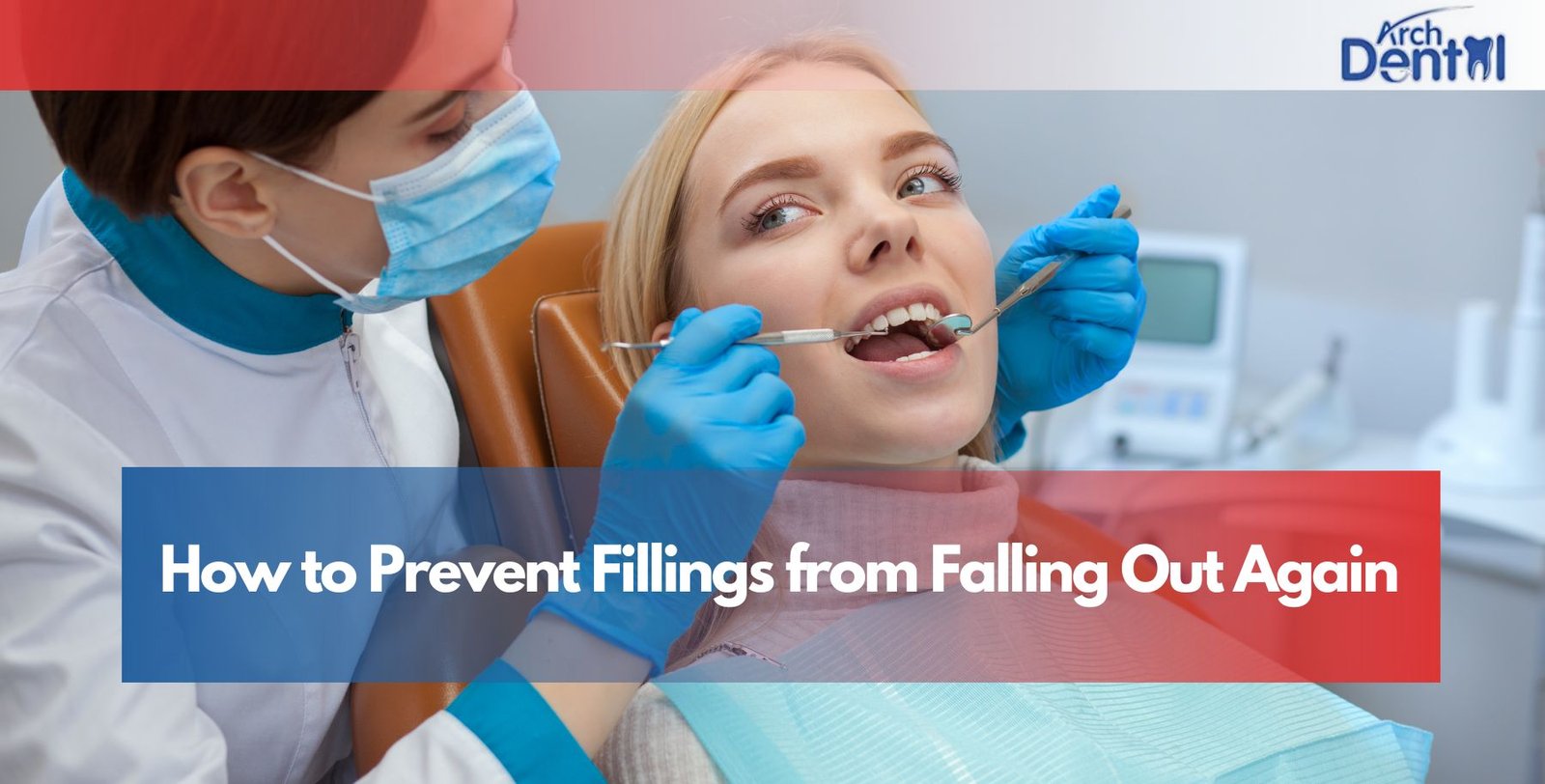
Dentists spot early signs of trouble. Loose edges, cracks, or decay are treated before fillings fall out. Regular dental checkups save time, money, and discomfort in the long run.
Professional Cleanings and Filling Health
Dental cleanings remove hardened plaque. This reduces bacteria around fillings. Cleanings also help maintain gum health, which supports tooth stability and filling strength.
When to Replace a Filling Before It Fails
Replacing a filling early prevents emergencies. Dentists recommend replacement when fillings show wear or leakage. Timely care avoids pain and more complex treatment later.
The Importance of X-Rays for Hidden Issues
Some problems aren’t visible. Dental X-rays reveal decay under fillings. Early detection helps prevent sudden filling loss and protects deeper tooth structure.
Managing Tooth Sensitivity and Pain After Fillings
Pain and sensitivity are warning signs. Ignoring them leads to filling failure.
Why Sensitivity Happens Around Fillings
Sensitivity often comes from exposed dentin or bite issues. Temperature changes trigger pain. This may signal that a filling isn’t sealed properly. Early adjustment helps prevent further damage.
What to Do If a Filling Feels Loose
A loose filling should never be ignored. Avoid chewing on that side. See a dentist quickly. Early repair prevents full dislodgement and infection.
How Inflammation Weakens Tooth Structure
Inflammation from decay or gum disease weakens the tooth. Weak teeth can’t hold fillings well. Treating inflammation early protects fillings and overall oral health.
Recognizing Early Signs of Filling Failure
Sharp edges, pain while chewing, or food trapping are warning signs. Addressing these early prevents fillings from falling out again.
Long-Term Strategies to Make Fillings Last
Long-term care focuses on prevention, awareness, and professional support.
Using Night Guards for Teeth Grinding
Grinding causes constant pressure. Night guards protect fillings from stress. They are custom-made and comfortable. Using one can greatly extend filling life.
Maintaining Gum Health for Filling Support
Healthy gums support teeth. Gum disease causes tooth movement, which affects fillings. Proper gum care helps fillings stay stable.
Choosing Experienced Dental Care Providers
Skill matters. Experienced dentists place fillings properly and check bite balance. Quality care reduces the risk of repeated filling loss.
Staying Consistent With Oral Care Routines
Consistency is key. Daily care and regular visits protect fillings long-term. Small habits done daily make the biggest difference.
Conclusion
Preventing fillings from falling out again is possible. It starts with understanding the cause. It continues with good daily habits, smart food choices, and regular dental care. When fillings are placed correctly and cared for properly, they can last for many years without issues. If you notice discomfort or changes, early action is always the best step. For trusted guidance and long-term care, visit a Dentist in Northampton, MA.
FAQs
Why do my teeth fillings keep falling out?
Fillings fall out due to decay, poor bonding, heavy bite pressure, or old filling material. Poor oral hygiene and teeth grinding also increase the risk.
What is the 2-2-2 rule for teeth?
Brush twice a day, for two minutes each time, and visit the dentist every two times a year. This routine helps protect fillings.
How long is a filling guaranteed for?
Most fillings last 5 to 15 years. Longevity depends on material, care, and bite pressure. Regular checkups help extend their life.
How to make fillings last longer?
Brush and floss daily, avoid hard foods, manage teeth grinding, and visit the dentist regularly. These steps protect fillings.
What destroys fillings?
Tooth decay, grinding, acidic foods, poor oral hygiene, and biting hard objects slowly destroy fillings over time.