
A professional dental cleaning is one of the best things you can do to maintain a healthy smile. But for some patients, seeing a bit of blood after their appointment can cause concern. If you’ve ever noticed your gums bleeding after dental cleaning, you might wonder — is this normal, or a sign of a deeper issue?
The truth is, a small amount of bleeding during or after your cleaning is quite common and usually temporary. It’s often a response to plaque buildup or gum inflammation, rather than the cleaning itself. However, persistent or heavy bleeding could indicate gingivitis, periodontal disease, or poor oral hygiene habits.
This comprehensive guide will help you understand why gum bleeding happens after cleaning, when it’s normal, when it’s not, and what you can do to promote healthy, resilient gums.
Understanding Why Gums Bleed After Dental Cleaning
Mild gum bleeding after cleaning is generally not a cause for alarm. It’s the body’s way of responding to irritation, inflammation, or sudden stimulation of the gums that haven’t been regularly cleaned.
What Happens During a Dental Cleaning
During a professional cleaning, your dental hygienist removes plaque, tartar, and bacteria that build up along and beneath the gumline. Specialized instruments and ultrasonic scalers are used to eliminate hardened deposits that daily brushing can’t remove.
When these areas are disturbed for the first time in months, inflamed gum tissues can react by bleeding slightly — similar to how sensitive skin might react to exfoliation after neglect.
The Role of Plaque and Tartar
Plaque is a sticky film of bacteria that forms on your teeth daily. When it’s not removed, it hardens into tartar, which irritates the gum tissue. The immune system responds with inflammation, making gums more likely to bleed when touched or cleaned.
A cleaning removes this buildup, but the process can temporarily expose sensitive, inflamed areas — leading to minor bleeding that typically resolves within a day or two.
Is Gum Bleeding After Cleaning Normal?
Yes, minor gum bleeding after dental cleaning is normal for most patients — especially if you haven’t had a cleaning in a while or if there’s pre-existing inflammation.
When Gum Bleeding Is Considered Normal
If your gums bleed slightly during or shortly after cleaning, it’s usually due to irritation from the removal of plaque or tartar buildup. This kind of bleeding often:
- Stops within a few hours
- Doesn’t involve pain or swelling
- Decreases with consistent brushing and flossing
Think of it as your gums adjusting to renewed attention and care — a temporary phase toward healthier oral tissues.
When Gum Bleeding Might Be a Concern
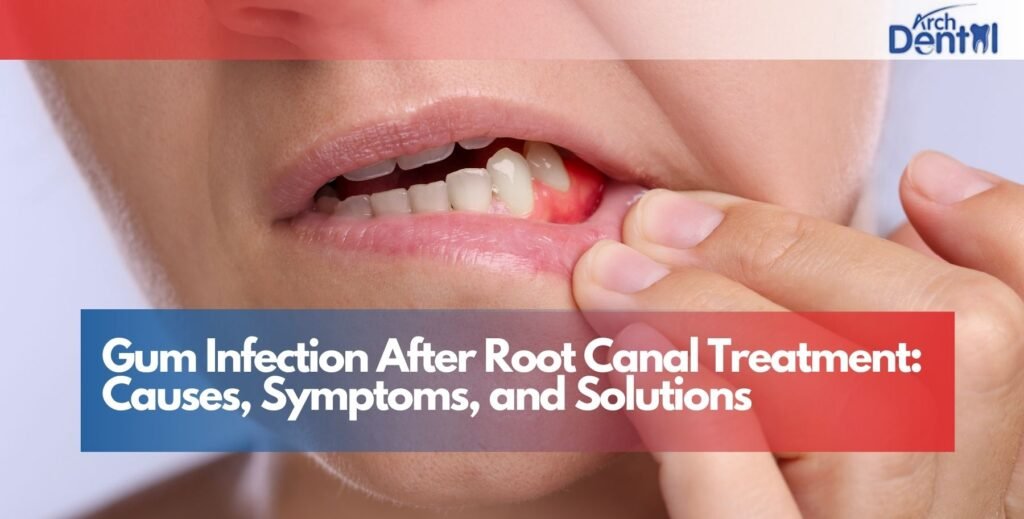
Persistent or excessive bleeding is not normal. If your gums continue to bleed after 48 hours or become swollen, tender, or bright red, it may indicate gingivitis or periodontal disease. In such cases, it’s important to see your dentist for evaluation and treatment before the condition worsens.
Common Causes of Gum Bleeding After Dental Cleaning
Several factors can make your gums more prone to bleeding, even after a routine cleaning.
Gingivitis (Early Gum Disease)
Gingivitis is the first stage of gum disease caused by plaque accumulation at the gumline. The toxins in plaque irritate gum tissue, causing redness, puffiness, and bleeding. Professional cleaning removes these irritants, but gums may remain sensitive for a short time until they heal.
Periodontitis (Advanced Gum Disease)
If gingivitis isn’t treated, it can progress to periodontitis, where infection spreads deeper into the bone and supporting structures. Deep cleaning (scaling and root planing) can cause bleeding during and after treatment as inflamed tissues begin to recover.
Poor Oral Hygiene
Inconsistent brushing or flossing leads to bacterial buildup, making your gums more reactive during cleaning. Daily oral hygiene helps strengthen gum tissue and reduces post-cleaning bleeding.
Vitamin Deficiency
Lack of Vitamin C (essential for collagen production) and Vitamin K (for blood clotting) can make gums more likely to bleed. Eating a balanced diet supports gum healing and overall oral health.
Medications
Certain medications like blood thinners (warfarin, aspirin) or anti-inflammatory drugs can increase gum bleeding. Always inform your dentist about any medications you’re taking before your appointment.
Hormonal Changes
Hormonal fluctuations during pregnancy, menstruation, or menopause can increase gum sensitivity. This condition, known as pregnancy gingivitis, may cause temporary bleeding that improves with good dental care.
How Long Should Gums Bleed After a Dental Cleaning?
Most bleeding should subside within a few hours to 24 hours after your appointment.
Immediate Bleeding
It’s common to notice slight bleeding when rinsing or brushing the first night after cleaning. This usually occurs where plaque and tartar were removed.
Short-Term Sensitivity
For patients who had a deep cleaning or scaling, mild bleeding or tenderness might continue for 24–48 hours. Using a soft-bristled toothbrush and warm saltwater rinses can ease discomfort.
When to Contact Your Dentist
If you experience prolonged bleeding beyond two days, severe pain, or swelling, contact your dentist immediately. Persistent bleeding could point to an underlying gum infection or improper healing.
The Connection Between Bleeding Gums and Gum Disease
Bleeding is often the first visible sign of gum disease, an infection of the tissues surrounding your teeth.
How Gum Disease Starts
Plaque contains harmful bacteria that release toxins, irritating the gums. Over time, inflammation causes the gums to separate from teeth, forming pockets that harbor more bacteria — worsening the cycle of infection.
Why Cleanings Are Important
Regular dental cleanings help stop gum disease before it progresses. Removing plaque and tartar gives gums a chance to heal and reattach to the teeth, reducing inflammation and bleeding over time.
How to Stop Gums from Bleeding After a Dental Cleaning
Fortunately, bleeding gums after cleaning are easy to manage with the right at-home care and habits.
Maintain a Gentle Oral Hygiene Routine
Brush twice a day using a soft-bristled toothbrush. Floss carefully to remove debris, but avoid aggressive brushing that could irritate the gums further.
Use Warm Saltwater Rinses
Rinsing with warm saltwater (½ teaspoon salt in a cup of water) twice daily can reduce inflammation, kill bacteria, and soothe irritated gums.
Avoid Tobacco and Alcohol
Smoking and excessive alcohol use slow healing and increase inflammation. Quitting these habits can dramatically improve gum health and prevent recurrence.
Stay Hydrated
Dry mouth worsens irritation and slows healing. Drink plenty of water to keep your mouth moist and help wash away food particles and bacteria.
Eat a Gum-Healthy Diet
Include Vitamin C–rich foods like citrus, bell peppers, and broccoli to strengthen gums. Calcium-rich foods also promote healthy teeth and bone structure.
How Dentists Treat Persistent Gum Bleeding
If gum bleeding persists beyond a few days, your dentist can determine the cause and offer professional treatment options.
Scaling and Root Planing
For patients with moderate to severe gum inflammation, deep cleaning (scaling and root planing) removes plaque and bacteria from below the gumline. This allows gums to reattach and heal properly.
Antibacterial Mouth Rinses
Dentists may prescribe antimicrobial rinses like chlorhexidine to reduce bacterial growth and promote healing.
Laser Gum Therapy
Modern dental offices use laser therapy to disinfect gum pockets and remove diseased tissue gently, promoting faster recovery and less post-treatment bleeding.
Follow-Up Care
Regular dental visits every six months ensure your gums remain healthy and bleeding doesn’t return. Consistent cleanings also prevent tartar buildup, the leading cause of gum irritation.
Tips to Prevent Gum Bleeding in the Future
Preventing bleeding gums involves consistency and proper oral hygiene habits.
Floss Daily
Flossing removes plaque between teeth where brushes can’t reach. Over time, this strengthens your gums and prevents bleeding.
Use an Antimicrobial Mouthwash
Rinsing with an antibacterial mouthwash helps reduce plaque and prevent infection. Choose alcohol-free options for sensitive gums.
Get Regular Dental Checkups
Visiting your dentist twice a year for professional cleaning and examination helps catch issues early. Routine checkups prevent gum problems before they cause bleeding or bone loss.
Switch to a Soft-Bristled Toothbrush
Hard bristles can damage gums and enamel. A soft-bristled brush is gentle yet effective at removing plaque.
Stay Consistent
Healthy gums require daily attention. Maintaining a steady oral care routine keeps inflammation away and ensures long-term dental health.
When Bleeding Gums Indicate a More Serious Problem
Occasional bleeding is usually harmless, but persistent bleeding can signal something more serious.
Periodontal Disease
Chronic gum bleeding, bad breath, and gum recession may indicate periodontitis, which requires prompt dental intervention to prevent tooth loss.
Systemic Health Conditions
Conditions such as diabetes, blood disorders, or immune deficiencies can increase gum bleeding. Always share your medical history with your dentist for accurate diagnosis.
Medication Interactions
Blood thinners or anti-hypertensive drugs can make gums more prone to bleeding. Your dentist may adjust your cleaning technique or recommend special precautions.
How to Strengthen Gums After Cleaning
Once bleeding subsides, focus on rebuilding gum resilience and health.
Massage Your Gums
Gently massaging your gums improves blood flow and promotes tissue healing.
Increase Vitamin Intake
Vitamin C, D, and K support gum regeneration and reduce inflammation. Consider supplements if your diet is lacking.
Use Fluoride Toothpaste
Fluoride strengthens enamel and protects against bacterial acid attacks, which also benefit gum health indirectly.
Stay Consistent with Cleanings
Regular professional cleanings help maintain gum tone, prevent tartar accumulation, and minimize future bleeding.
The Importance of Early Intervention
Ignoring bleeding gums allows minor irritation to turn into serious gum disease.
Early Treatment Saves Teeth
When caught early, gum inflammation is reversible through professional cleaning and improved hygiene. Neglecting it can lead to bone loss and tooth instability.
Better Overall Health
Gum disease has been linked to systemic health issues like heart disease and diabetes. Managing gum health improves your overall well-being.
Conclusion
Mild gum bleeding after a dental cleaning is common, especially if you haven’t had a cleaning in a while or have early signs of gingivitis. However, persistent or painful bleeding may signal a deeper issue that requires professional evaluation. Maintaining a consistent oral hygiene routine and visiting your Dentist in Northampton, MA regularly can ensure healthy, resilient gums and prevent future complications. Healthy gums don’t just protect your smile—they contribute to your overall health and confidence.