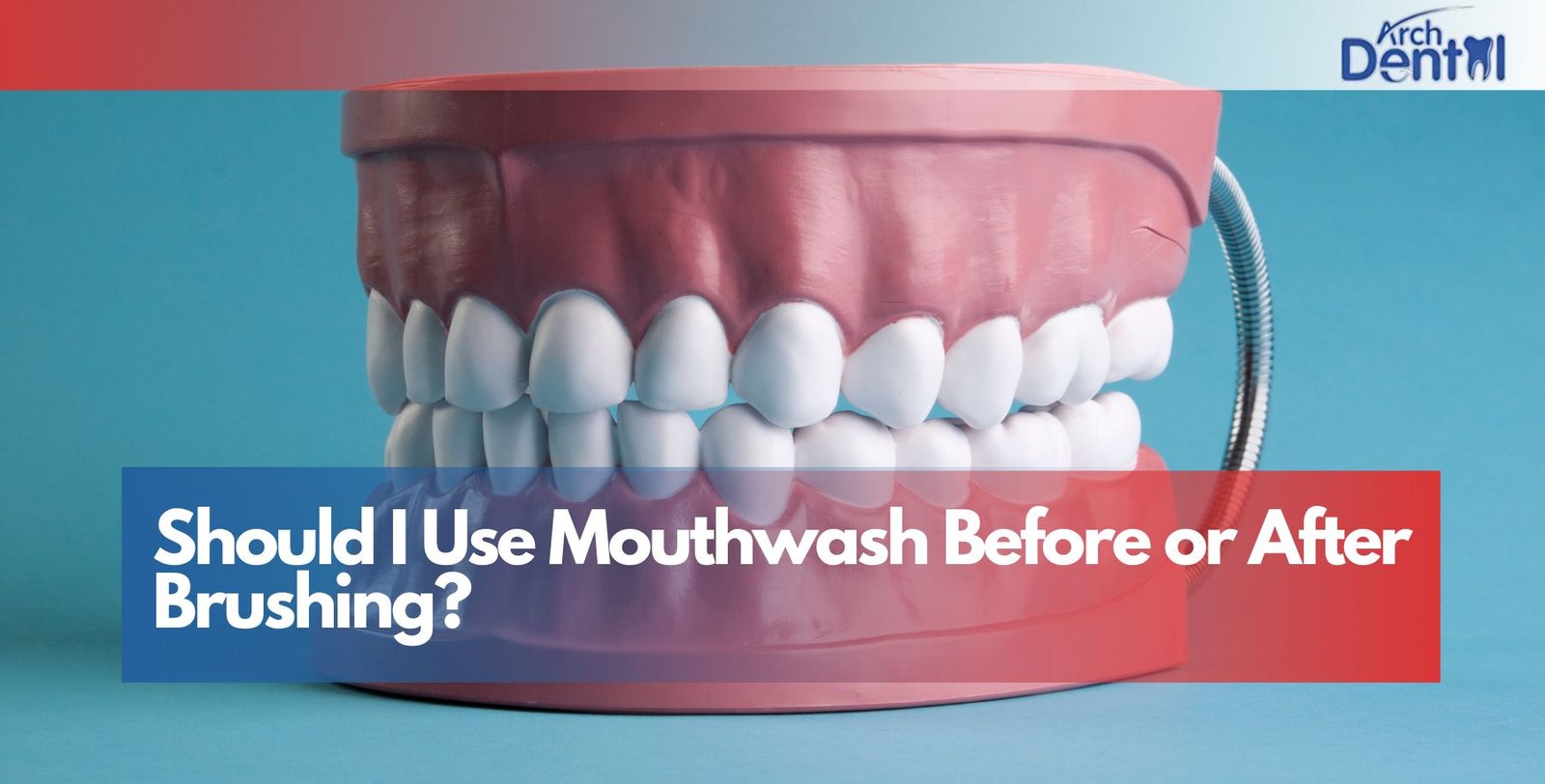
Mouthwash has become a staple in bathrooms across America, yet many people remain uncertain about when to incorporate it into their oral hygiene routine. The timing of mouthwash use can significantly impact its effectiveness and your overall dental health. While the answer isn’t always straightforward, understanding how mouthwash interacts with brushing and flossing can help you maximize its benefits and maintain optimal oral health.
Understanding the Role of Mouthwash in Oral Hygiene
Mouthwash serves multiple purposes in your daily dental care routine, functioning as more than just a breath freshener. Therapeutic mouthwashes contain active ingredients like fluoride, antimicrobial agents, or peroxide that actively fight bacteria, strengthen enamel, and reduce plaque buildup. Cosmetic mouthwashes primarily mask bad breath temporarily without addressing underlying oral health issues.
The effectiveness of mouthwash depends largely on what type you’re using and what dental concerns you’re addressing. Fluoride mouthwashes help prevent cavities by remineralizing tooth enamel, while antiseptic varieties containing chlorhexidine or cetylpyridinium chloride reduce bacteria that cause gum disease and bad breath. Understanding your specific oral health needs will guide you toward the right product and optimal timing for use.
Many people underestimate how mouthwash complements brushing and flossing rather than replacing these essential practices. While brushing removes plaque and debris from tooth surfaces and flossing cleans between teeth, mouthwash reaches areas that mechanical cleaning might miss, including the back of the tongue, throat, and gum pockets.
The Case for Using Mouthwash After Brushing
Most dental professionals recommend using mouthwash after brushing your teeth, and this approach offers several distinct advantages. When you brush first, you mechanically remove food particles, plaque, and surface debris, creating clean tooth surfaces that allow mouthwash ingredients to make direct contact with enamel and gum tissue.
Using mouthwash after brushing allows active ingredients to work more effectively because they’re not competing with layers of plaque or food residue. Fluoride in your mouthwash can better penetrate tooth enamel when surfaces are freshly cleaned, providing enhanced protection against cavity-forming acids. Similarly, antibacterial agents can more effectively reach and neutralize harmful bacteria when they’re not blocked by plaque biofilm.
Maximizing Fluoride Benefits
If you use a fluoride toothpaste followed by fluoride mouthwash, the sequential application creates a reinforced protective barrier against tooth decay. After brushing, waiting 30 minutes before using mouthwash allows the concentrated fluoride from toothpaste to fully absorb into your enamel. However, if time is limited, using fluoride mouthwash immediately after brushing still provides substantial benefits, as both products work synergistically to strengthen teeth.
The post-brushing rinse also helps remove any remaining toothpaste residue while distributing beneficial ingredients throughout your entire mouth. This comprehensive coverage ensures that all tooth surfaces, including those difficult to reach with a toothbrush, receive protective treatment.
When Mouthwash Before Brushing Makes Sense
While less common, using mouthwash before brushing can be beneficial in specific situations. This approach works particularly well as a pre-brushing rinse to loosen food particles and debris, making the mechanical action of brushing more effective. Think of it as a preparatory step that softens and dislodges stuck-on materials.
People with heavy plaque buildup or those who haven’t brushed in an extended period might benefit from a pre-brushing rinse. The mouthwash helps break down some of the bacterial biofilm, allowing your toothbrush to work more efficiently when you begin scrubbing. This method can be especially useful after consuming sticky or sugary foods that cling stubbornly to tooth surfaces.
The Pre-Rinse Strategy for Sensitive Teeth
Individuals with sensitive teeth or gums sometimes find that using mouthwash before brushing reduces discomfort. A gentle, alcohol-free rinse can help soothe irritated tissues before the mechanical action of brushing begins. However, this approach works best when followed by a post-brushing rinse to ensure active ingredients remain on tooth surfaces.
Some dentists recommend a two-step mouthwash approach for patients with severe gum disease or chronic bad breath: rinse before brushing to loosen bacteria and debris, then rinse again afterward to maximize antimicrobial contact with clean tooth surfaces.
The Optimal Mouthwash Routine: A Complete Guide
Creating the most effective oral hygiene routine requires understanding how all components work together. The gold standard sequence recommended by most dental professionals follows this pattern: floss first to remove debris between teeth, brush thoroughly for two minutes to clean all tooth surfaces, then finish with mouthwash to distribute active ingredients throughout your mouth.
Flossing before brushing dislodges food particles and plaque from interdental spaces, allowing your toothbrush and toothpaste to reach these newly accessible areas. This sequence ensures maximum cleaning efficiency and prevents you from simply redistributing bacteria around your mouth.
Timing and Technique Matter
After brushing, wait at least 30 seconds before using mouthwash, allowing saliva production to normalize. Pour the recommended amount (usually about 20ml or four teaspoons) into a cup, swish vigorously for 30-60 seconds, ensuring the liquid reaches all areas of your mouth, then spit it out completely. Avoid rinsing with water immediately after using mouthwash, as this dilutes the active ingredients and reduces their effectiveness.
Many people make the mistake of rinsing their mouth with water after using mouthwash, essentially washing away the protective ingredients they just applied. For maximum benefit, refrain from eating or drinking for at least 30 minutes after your mouthwash rinse, allowing the active ingredients time to work on your teeth and gums.
Common Mouthwash Mistakes to Avoid
Even with the best intentions, people often use mouthwash incorrectly, diminishing its effectiveness. One frequent error involves using mouthwash as a substitute for brushing, which simply cannot remove plaque and debris the way mechanical brushing does. Mouthwash should always complement, never replace, proper brushing and flossing.
Overusing mouthwash presents another concern, as excessive use of alcohol-based varieties can dry out oral tissues and potentially disrupt the natural bacterial balance in your mouth. Most formulations are designed for twice-daily use—morning and evening—following your regular brushing routine. Using mouthwash more frequently typically provides no additional benefits and may cause unwanted side effects.
Choosing the Right Mouthwash for Your Needs
Not all mouthwashes are created equal, and selecting the wrong type for your specific dental needs can limit results. Alcohol-based mouthwashes effectively kill bacteria but can cause dry mouth and irritation in sensitive individuals. Alcohol-free alternatives provide similar antimicrobial benefits with reduced side effects, making them ideal for people with dry mouth conditions or sensitive oral tissues.
If you’re primarily concerned about cavity prevention, choose a mouthwash containing fluoride with the ADA Seal of Acceptance. For gum disease concerns, look for products with antimicrobial ingredients like chlorhexidine or essential oils. Those focused on whitening should select hydrogen peroxide-based formulas, while individuals with chronic bad breath benefit most from chlorine dioxide or zinc-containing rinses that neutralize odor-causing compounds.
When to Consult a Dental Professional
While mouthwash is an excellent addition to your oral care routine, it cannot solve all dental problems. Persistent bad breath despite regular mouthwash use may indicate underlying issues like gum disease, tooth decay, or digestive problems that require professional attention. Similarly, if you experience bleeding gums, tooth sensitivity, or oral pain, these symptoms warrant a comprehensive dental examination.
Your dentist can evaluate your oral health status and recommend specific mouthwash types and usage patterns tailored to your individual needs. They can also identify problems that mouthwash alone cannot address, such as cavities requiring fillings, gum disease needing deep cleaning, or structural issues demanding corrective treatment.
Conclusion
The question of whether to use mouthwash before or after brushing ultimately depends on your specific oral health needs, though most dental professionals recommend the after-brushing approach for optimal results. By using mouthwash following thorough brushing and flossing, you allow active ingredients to work directly on clean tooth surfaces, maximizing their protective and therapeutic benefits. Remember that mouthwash serves as a supplementary tool in your oral hygiene arsenal it enhances but never replaces the fundamental practices of brushing twice daily and flossing regularly.
Establishing a consistent routine that includes proper brushing technique, daily flossing, and strategic mouthwash use will significantly improve your oral health outcomes. If you’re uncertain about which products to use or how to optimize your dental care routine, schedule a consultation with a Dentist in Northampton, MA who can provide personalized recommendations based on your unique oral health needs. Professional guidance ensures you’re using mouthwash and other oral care products in ways that truly benefit your smile.
Frequently Asked Questions
Can I use mouthwash instead of brushing my teeth?
No, mouthwash should never replace brushing. While mouthwash kills bacteria and freshens breath, it cannot physically remove plaque, food particles, and debris the way brushing does. Think of mouthwash as a supplement to brushing, not a substitute.
How long should I wait to eat or drink after using mouthwash?
Wait at least 30 minutes after using mouthwash before eating or drinking. This allows the active ingredients, particularly fluoride, to fully absorb into your tooth enamel and provide maximum protective benefits.
Is it bad to use mouthwash every day?
Using mouthwash twice daily as directed is generally safe for most people. However, overuse of alcohol-based mouthwashes can lead to dry mouth and tissue irritation. If you experience any adverse effects, consider switching to an alcohol-free formula or consulting your dentist.
Should children use mouthwash?
Children under six should not use mouthwash unless specifically recommended by a dentist, as they may swallow it. Older children can use mouthwash under supervision, but should choose alcohol-free, fluoride-containing formulas designed for their age group.
Why does my mouth burn when I use mouthwash?
Burning sensations typically result from alcohol content in mouthwash. If you experience discomfort, switch to an alcohol-free formula. Persistent burning despite using gentle products may indicate oral tissue sensitivity or underlying conditions requiring dental evaluation.