Root canal treatment is one of the most misunderstood dental procedures, yet it remains one of the most successful ways to save a tooth that is damaged or infected. Many people worry when they hear the words “root canal,” but the reality is that this treatment removes pain—it doesn’t create it. A root canal protects your oral health, keeps your natural tooth in place, and prevents the infection from spreading. Understanding how it works and why it’s needed can make the experience easier and less stressful.
Why Do People Need a Root Canal?
A root canal becomes necessary when the soft inner pulp of a tooth becomes infected, inflamed, or exposed. This can happen for several reasons, including deep decay, cracks, fractures, trauma, or having multiple dental procedures on the same tooth.
Once the pulp is damaged, bacteria begin to grow inside the tooth, causing severe pain, sensitivity, swelling, and sometimes an abscess. Without treatment, the infection can spread to the jawbone or surrounding teeth and eventually lead to tooth loss. A root canal removes this infection and restores the tooth so it can function normally again.
What Happens During a Root Canal Procedure?
A root canal is a careful step-by-step process designed to clean the infected tooth and protect it from future problems. During the procedure, your dentist will:
Remove the infected or dead pulp
Thoroughly clean and disinfect the inside of the tooth
Shape and fill the root canals with a safe, sealing material
Place a filling or crown to protect the tooth from further damage
The entire goal is simple: reduce pain, remove infection, and save the natural tooth so you can continue to chew and bite comfortably.
Top Benefits of Root Canal Treatment
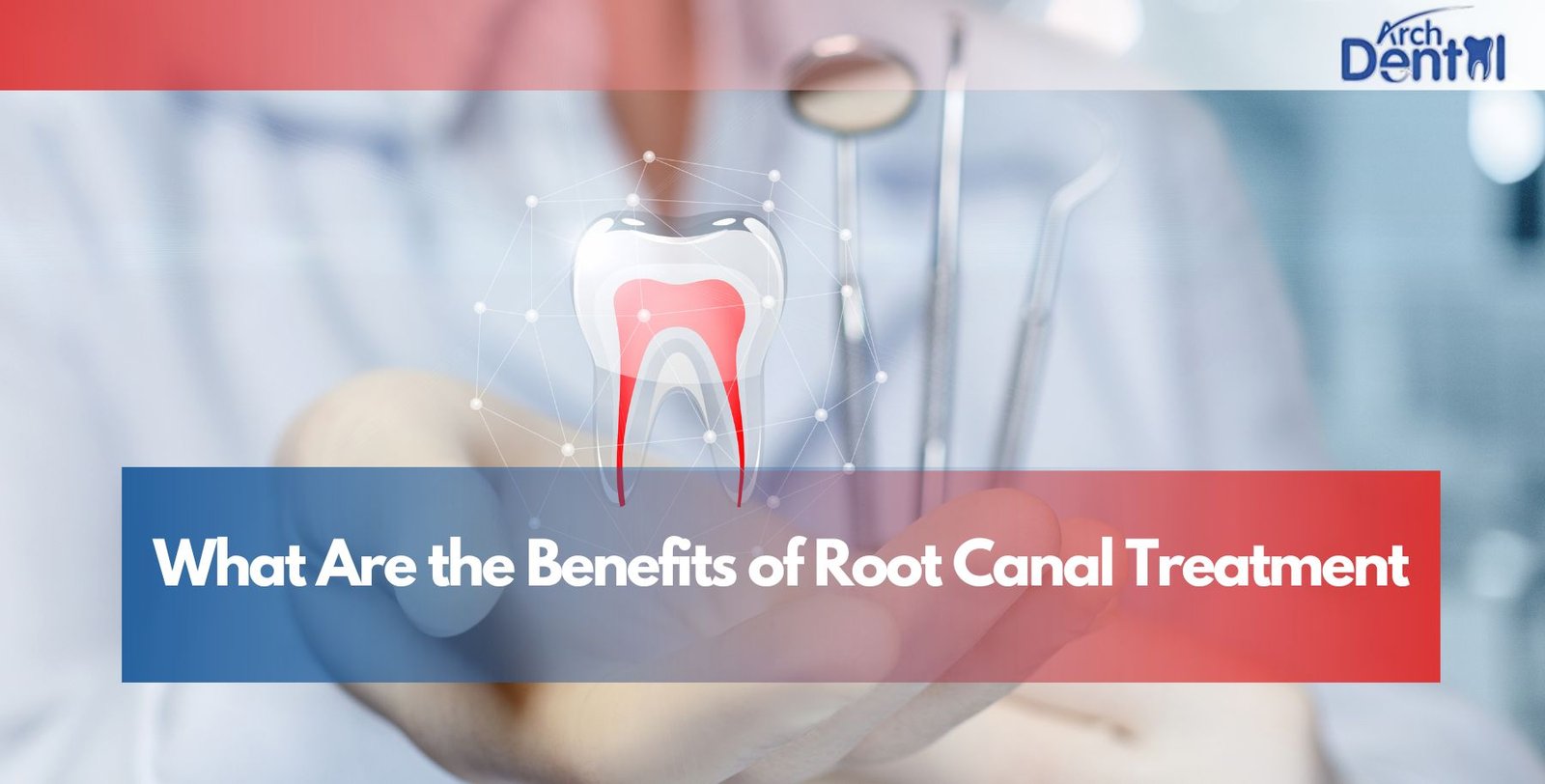
Root canal therapy offers multiple benefits for your oral health and long-term comfort. It is far more than just an emergency fix—it’s a reliable, long-lasting solution for restoring a damaged tooth.
Pain Relief and Comfort
Most people assume root canals are painful because of old myths, but modern dentistry has changed everything. Local anesthesia and improved techniques make the procedure comfortable. The true pain comes from the infection inside the tooth—not from the treatment itself.
Once the inflamed pulp is removed, the pressure inside the tooth reduces, bringing immediate relief. Patients often describe feeling better right after the procedure or within a few hours.
Saves Your Natural Tooth
One of the biggest advantages of root canal therapy is that it allows you to keep your natural tooth. Replacing a tooth is always more complicated, time-consuming, and expensive than saving the one you were born with.
Your natural tooth maintains your bite, preserves the natural spacing of your teeth, and looks more authentic than any replacement.
Prevents Tooth Loss
If infection spreads too far, extraction becomes the only option. Losing a tooth affects your ability to chew, changes your smile, and weakens your bite. A root canal prevents this outcome and protects your long-term dental health.
Choosing to save your tooth now also means avoiding the cost and time involved in implants, bridges, or dentures later.
Stops the Spread of Infection
An untreated infection doesn’t stay in one place. It can spread to your gums, jawbone, bloodstream, and even other organs if ignored for too long.
Root canal treatment removes the infected tissue and seals the tooth, stopping bacteria from spreading and preventing future complications.
Protects Surrounding Teeth
A missing tooth creates a gap, causing surrounding teeth to shift or tilt. This leads to bite problems, crooked teeth, and even jaw pain over time. When you save the tooth with a root canal, you maintain the natural structure and alignment of your mouth, reducing the risk of long-term dental issues.
Improves Chewing and Speaking
A decayed or infected tooth often makes chewing painful or difficult. A restored tooth after a root canal functions like a healthy tooth, allowing you to chew confidently and speak naturally, without discomfort or sensitivity.
Preserves Jawbone Structure
Your natural tooth root stimulates the jawbone and keeps it strong. When a tooth is extracted, the bone in that area slowly shrinks because it’s no longer receiving stimulation.
Keeping your natural tooth through root canal treatment prevents bone loss and helps you maintain a full, healthy facial structure.
Cost-Effective Compared to Extraction and Implants
A root canal may seem costly at first, but it is far more affordable than extracting a tooth and replacing it with an implant or bridge.
It also reduces the risk of future infections, misalignment, or extra treatments—saving you time and money in the long run.
Enhances Smile Aesthetics
After a root canal, the tooth is often restored with a crown. These crowns are custom-shaped and color-matched to blend with your natural teeth.
Not only does the crown protect the tooth from future damage, but it also improves the overall look of your smile.
Long-Term Solution with Proper Care
With regular brushing, flossing, and dental checkups, a tooth treated with a root canal can last a lifetime. The treated root is sealed and protected, making it strong and stable.
Good habits ensure the tooth stays healthy, functional, and free from future infection.
Common Myths About Root Canal Treatment
Myth: Root canals are painful
Truth: Modern root canals are almost completely painless thanks to improved anesthesia and technology.
Myth: It’s better to pull the tooth
Truth: Saving your natural tooth is always the healthier, easier, and more affordable option.
Myth: Root canals don’t last
Truth: With proper oral care, they can last for decades or even for life.
Who Is a Good Candidate for a Root Canal?
You may need a root canal if you experience:
Persistent or sharp tooth pain
Sensitivity that lingers after hot or cold
Swelling or tenderness in the gums
Darkening of the tooth
A recurring pimple or bump on the gums
Your dentist will evaluate your symptoms, take X-rays, and determine whether the tooth can be saved with root canal therapy.
How Long Does Root Canal Recovery Take?
Recovery after a root canal is usually quick and smooth. Most people return to work or normal routines the next day.
Mild soreness is common for the first few days, especially when chewing, but it can be managed with over-the-counter medication. Once the final crown is placed, the tooth functions like a natural one.
Is Root Canal Better Than Tooth Extraction?
In most cases, yes. Saving your natural tooth offers better long-term oral health, keeps your jawbone strong, and prevents the need for expensive replacement procedures. Extraction is only recommended when the tooth cannot be saved.
How to Maintain a Tooth After a Root Canal
To protect your restored tooth, follow these key steps:
Brush and floss every day
Don’t miss your dental checkups
Avoid chewing hard foods on the treated side until a crown is placed
Get the recommended crown to prevent fractures
Proper care ensures the tooth stays healthy for many years.
Conclusion
Root canal treatment is one of the most effective ways to relieve pain, stop infection, and save your natural tooth. It protects your oral health, restores comfort, and improves your smile—all while preventing more serious problems in the future.
If you’re experiencing symptoms of an infected tooth, take action early. Talk to a trusted Dentist in Northampton, MA to find out whether a root canal is the right solution and begin your journey toward a healthier, more confident smile.
FAQs
Is root canal treatment painful?
No. With modern anesthesia, root canals feel similar to getting a routine filling.
How long does a root canal procedure take?
Most procedures take one or two visits, depending on the tooth’s condition.
Can I eat after a root canal?
Wait until the numbness wears off, and start with soft foods for the first 24 hours.
How much does a root canal cost?
Costs vary depending on the tooth and location, but root canals are usually more affordable than tooth extractions followed by implants.
Will I need a crown after a root canal?
Most of the time, yes. A crown protects the treated tooth and restores full function.