Root canal treatment is one of the most misunderstood dental procedures, yet it remains one of the most successful ways to save a tooth that is damaged or infected. Many people worry when they hear the words “root canal”, but the reality is that this treatment removes pain, it doesn’t create it. A root canal protects your oral health, keeps your natural tooth in place, and prevents infection from spreading to other parts of your mouth and body.
This guide from the dental team at Arch Dental Northampton explains why root canals are needed, what the real benefits are, whether the procedure is safe, and how it compares to extraction, so you can make a confident, informed decision about your care.
Why Do People Need a Root Canal?
A root canal becomes necessary when the soft inner tissue of a tooth, called the pulp, becomes infected, inflamed, or irreversibly damaged. This can happen because of deep decay that reaches the inner tooth, a crack or fracture that exposes the pulp, trauma to the tooth, or repeated dental procedures on the same tooth over many years.
Once the pulp is damaged, bacteria multiply inside the tooth, causing severe pain, sensitivity, swelling, and sometimes a dental abscess, a pocket of infection at the root tip. Without treatment, the infection doesn’t stay contained. It can spread to the jawbone, surrounding teeth, and in serious cases enter the bloodstream. A root canal removes the source of infection and restores the tooth so it can function normally again. According to the American Association of Endodontists, more than 15 million root canals are performed in the United States each year, making it one of the most common restorative dental procedures.
When Is a Root Canal Needed?
You may need a root canal if you’re experiencing: persistent or sharp tooth pain that doesn’t resolve, sensitivity to heat or cold that lingers after the source is removed, swelling or tenderness in the gums around a specific tooth, darkening or discolouration of a tooth, or a recurring pimple or bump on the gum near a tooth root. Some people have none of these symptoms — a damaged pulp can occasionally be discovered during a routine X-ray before pain develops. Your dentist will evaluate your symptoms, take X-rays, and may perform pulp vitality tests to determine whether the tooth can be saved with root canal therapy.
Is Root Canal Treatment Safe?
Yes, root canal treatment is well-established, thoroughly researched, and considered a safe and effective procedure by every major dental and medical authority. The American Dental Association recognises root canal therapy as the standard of care for infected or necrotic dental pulp. The American Association of Endodontists reports extremely high success rates, with treated teeth lasting many years or even a lifetime when properly restored.
What About the “Root Cause” Documentary?
A widely circulated documentary suggested that root canal treatment causes cancer and systemic illness. This claim has been thoroughly and repeatedly debunked by dental researchers, oncologists, and scientific review bodies. The theory it’s based on, focal infection theory, was discredited by mainstream medicine decades ago. There is no credible peer-reviewed evidence linking root canal treatment to cancer, heart disease, or any systemic condition. The AAE has published a direct and detailed rebuttal to this documentary, which you can read at aae.org. If you have concerns about this, bring them up with your dentist, it’s a question the team at Arch Dental Northampton is happy to address directly before your treatment.
The Real Benefits of Root Canal Treatment
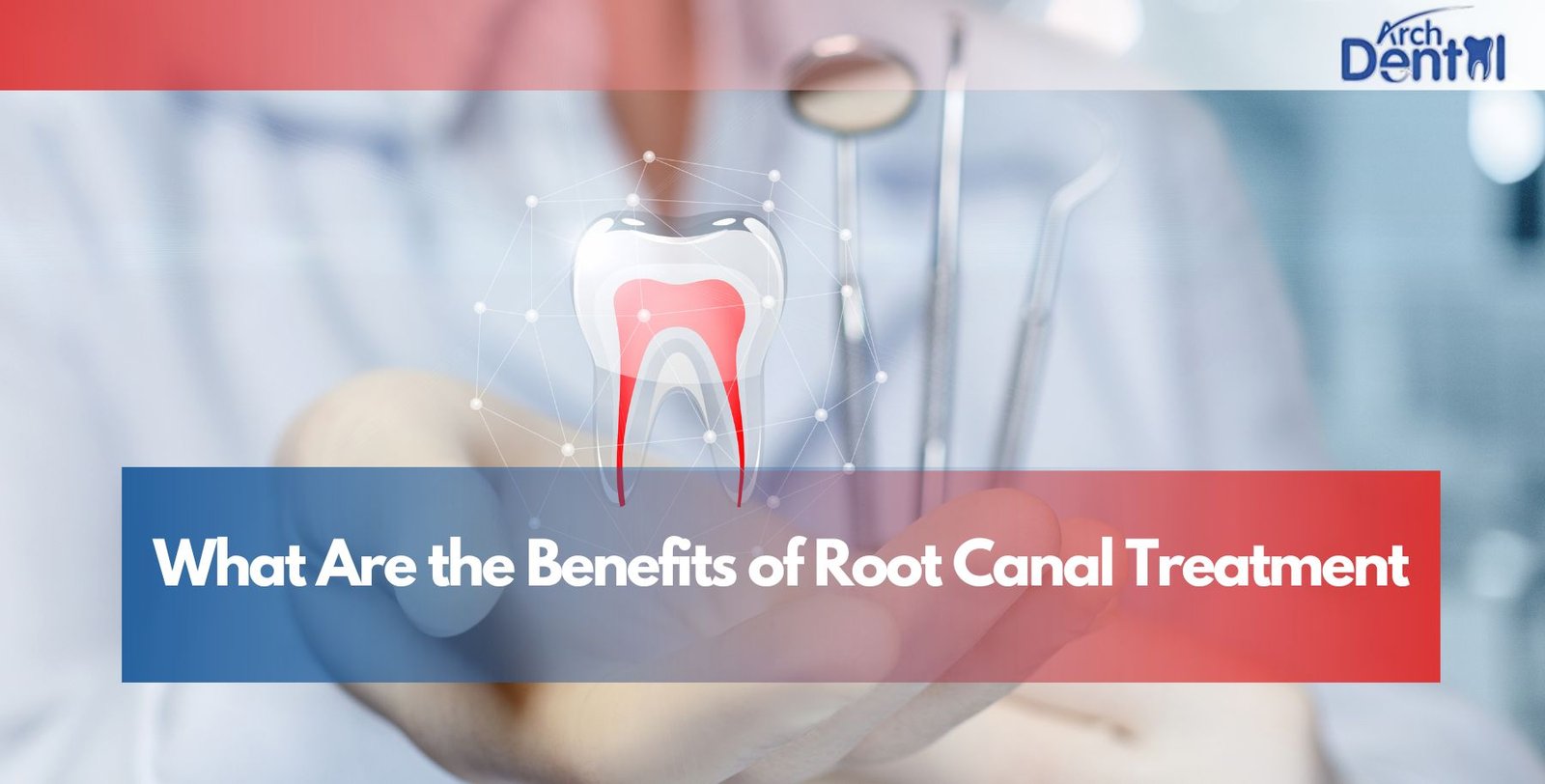
Root canal therapy offers multiple benefits that go well beyond just fixing a painful tooth. Here’s what you actually gain from choosing to save the tooth.
Pain Relief and Comfort
Most people assume root canals are painful because of old myths — but modern dentistry has changed the experience entirely. Local anaesthesia and improved techniques make the procedure comfortable for the vast majority of patients. The true source of pain is the infection inside the tooth, not the treatment. Once the inflamed pulp is removed, the pressure inside the tooth drops and pain relief is often immediate. Most patients describe feeling significantly better within a few hours of the procedure.
Saves Your Natural Tooth
One of the most important advantages of root canal therapy is that it allows you to keep the tooth you were born with. Your natural tooth maintains your bite mechanics, preserves the natural spacing between teeth, and provides the best long-term function of any option available. Replacing a tooth is always more complicated, more time-consuming, and more expensive than saving the existing one. Whenever saving a tooth is biologically possible, it is the preferred outcome.
Prevents Tooth Loss and Its Consequences
If infection spreads too far, extraction becomes unavoidable. Losing a tooth affects your ability to chew properly, changes the appearance of your smile, and weakens the surrounding bone. The teeth on either side of the gap will begin to drift into the empty space over time, causing bite problems and sometimes jaw pain. A root canal prevents all of this by saving the tooth before the damage becomes irreversible.
Stops the Spread of Infection
An untreated dental infection doesn’t remain isolated. It can spread to the gums, jawbone, adjacent teeth, and in severe cases enter the bloodstream — a condition called bacteraemia that can have systemic health implications. Root canal treatment removes the infected tissue and seals the tooth so bacteria have no pathway to continue spreading.
Protects Surrounding Teeth and Jaw Structure
A missing tooth creates an immediate structural problem. Neighbouring teeth drift into the gap, altering your bite and creating uneven pressure during chewing. The jawbone in the area of the missing tooth also begins to resorb (shrink) because it no longer receives stimulation from a tooth root. Keeping your natural tooth through root canal treatment prevents bone loss and maintains the full, healthy structure of your jaw and face.
Improves Chewing, Speaking, and Everyday Comfort
A decayed or infected tooth often makes eating painful and speaking uncomfortable. A tooth restored after a root canal functions like a fully healthy tooth — you can chew confidently and speak naturally without sensitivity or discomfort.
Cost-Effective Compared to Extraction and Replacement
A root canal may seem like a significant cost upfront, but it is considerably more affordable than extracting the tooth and replacing it with an implant, bridge, or partial denture. Each of those replacement options involves multiple appointments, additional procedures, and significantly higher total costs. The root canal also eliminates the downstream costs of misalignment, bone loss, and bite correction that can follow extraction.
Long-Term Solution With Proper Care
With regular brushing, flossing, and dental checkups, a tooth treated with a root canal can last a lifetime. The treated root is sealed and protected, making the tooth stable and strong. The success rate of root canal-treated teeth that are properly restored with a crown is extremely high across the research literature. Good daily habits are the main factor in keeping the restored tooth healthy long-term.
What Happens During a Root Canal Procedure?
A root canal is a step-by-step process designed to clean the infected tooth and protect it from future problems. Your dentist or endodontist will:
Remove the infected or dead pulp tissue from inside the tooth, thoroughly clean and disinfect the inner chamber and root canals, shape the canals precisely so they can be sealed effectively, fill the canals with a biocompatible material called gutta-percha, and place a filling or crown to protect the tooth from further damage and fracture.
The entire procedure is performed under local anaesthesia and is designed to keep you comfortable throughout. For straightforward cases, it can often be completed in a single visit. More complex cases — such as teeth with multiple curved canals or significant infection — may require two appointments. After your root canal, your tooth will be restored with a crown in most cases, which protects it from cracking and restores its full appearance and function. Ask your Northampton dental team about crown options at Arch Dental.
Root Canal vs. Tooth Extraction: Which Is Better?
This is one of the most common questions patients ask when they’re told they need a root canal, and it deserves a direct, honest answer.
In the vast majority of cases, root canal treatment is the better option. Saving your natural tooth is almost always preferable to extraction, for reasons that include better long-term function, preservation of jawbone density, avoiding the complexity and cost of tooth replacement, and maintaining natural bite mechanics that implants and bridges can only approximate.
When extraction might be necessary: If the tooth is fractured below the gumline, has a vertical root fracture, is too severely decayed to be structurally restored, or has a level of bone loss around the root that makes long-term prognosis very poor — extraction may be the more realistic choice. Your dentist will be direct with you about prognosis before recommending a path forward.
If a tooth is extracted: The gap should not be left unfilled permanently. Options include a dental implant (the closest functional equivalent to a natural tooth), a fixed dental bridge, or a removable partial denture. Each has different cost, longevity, and maintenance profiles. Leaving the space empty causes bone loss and tooth migration over time. Learn more about tooth replacement options at Arch Dental Northampton.
Common Myths About Root Canal Treatment
Myth: Root canals are extremely painful. Truth: Modern root canals are performed under effective local anaesthesia and are comparable in discomfort to having a routine filling placed. The pain patients fear is the pain of the infection — which the root canal resolves. Most people are surprised at how comfortable the experience actually is.
Myth: It’s better to just pull the tooth. Truth: Extraction may seem simpler, but it sets off a chain of consequences, bone loss, neighbouring teeth drifting, bite changes, that can require extensive and expensive correction. Saving the natural tooth is always the healthier long-term choice when it’s biologically possible.
Myth: Root canals don’t last. Truth: With proper restoration (usually a crown) and good oral hygiene, root canal-treated teeth routinely last decades and often for life. Studies show success rates well above 90% at ten years for properly restored teeth.
Myth: Root canals cause illness or cancer. Truth: This claim, popularised by a documentary, has no credible scientific basis and has been refuted by dental and medical researchers. The research it cites dates from the early 20th century and was invalidated long ago. The American Association of Endodontists and major cancer research organisations have all confirmed there is no link between root canal treatment and cancer or systemic disease.
Myth: A tooth with no pain doesn’t need a root canal. Truth: Pulp tissue can die (become necrotic) without causing significant pain, particularly if the process happens gradually. A dead tooth with no active pain can still harbour bacteria and develop an abscess silently. Your dentist uses X-rays and clinical tests, not just pain levels, to determine whether a tooth needs treatment.
How Long Does Root Canal Recovery Take?
Recovery after a root canal is usually quick and smooth. Most people return to work or their normal routine the following day. Mild soreness is common for the first few days, especially when biting down, and this is managed easily with over-the-counter pain relievers like ibuprofen. The soreness comes from inflammation in the tissues around the root tip, not from the tooth itself, and it settles within a few days in most cases. Once the final crown is placed, the tooth functions like a fully healthy natural tooth.
How to Maintain a Tooth After a Root Canal
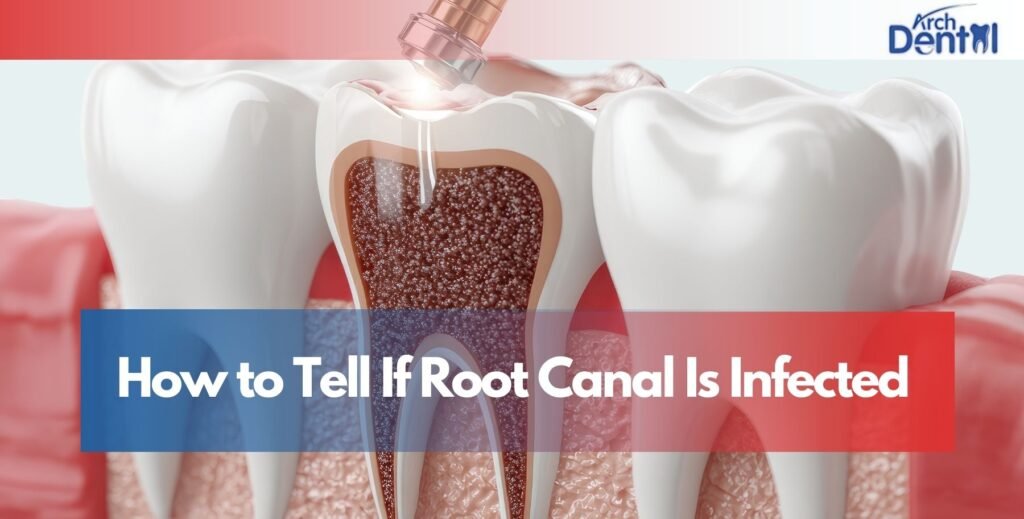
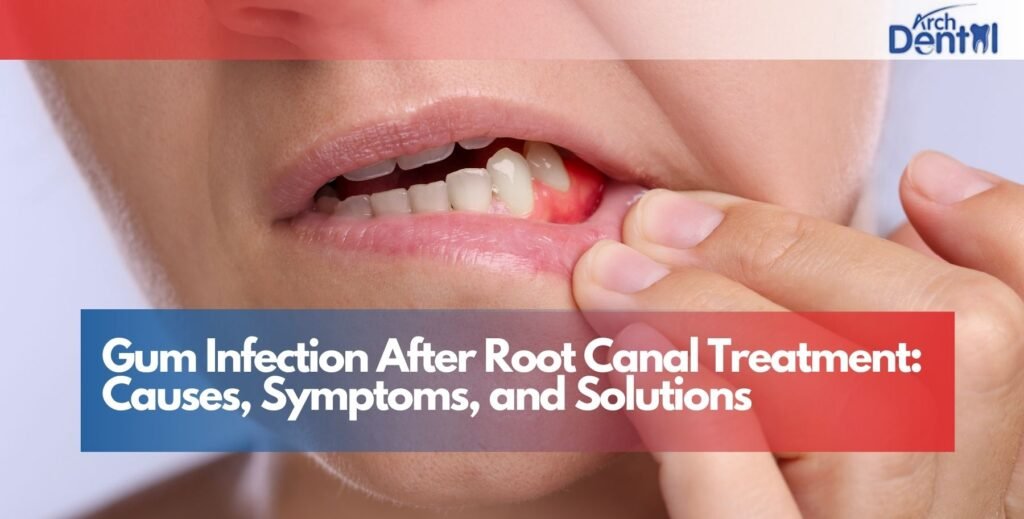
To protect your restored tooth long-term: brush and floss every day as you normally would, attend your regular dental checkups so the tooth can be monitored, avoid chewing very hard foods on the treated side until the crown is placed, get the recommended crown promptly, this step is critical, as an uncrowned root canal tooth is significantly more vulnerable to fracture. With these habits in place, your treated tooth can remain healthy and functional for many years. If you ever notice returning sensitivity, swelling, or discomfort around a previously root canal-treated tooth, contact your dentist promptly. Read more about signs of a root canal infection and what to do if infection returns after a root canal.
Conclusion
Root canal treatment is one of the most effective ways to relieve pain, stop infection, and save your natural tooth. It protects your oral health, restores comfort, and improves your smile — all while preventing more serious problems from developing. Modern techniques and anaesthesia make the experience far less daunting than the outdated reputation suggests.
If you’re experiencing symptoms of an infected tooth, or if you’ve been told you may need a root canal and you want a clear explanation of your options, contact the team at Arch Dental Northampton. We’ll evaluate your tooth, walk you through what treatment involves, and make sure you feel confident in every step of your care.
Frequently Asked Questions
Is root canal treatment painful?
No. With modern local anaesthesia, root canals are comfortable for the vast majority of patients, comparable to having a routine filling placed. The pain that brings most people to the dentist comes from the infection inside the tooth, not from the treatment. Once the infected pulp is removed, pain relief typically follows quickly.
Why do people need root canals?
A root canal is needed when the pulp, the soft inner tissue of the tooth containing nerves and blood vessels, becomes infected or dies. This happens due to deep decay, a crack or fracture, trauma, or repeated procedures on the same tooth. Without treatment, the infection spreads and the tooth is eventually lost.
Are root canals safe?
Yes. Root canal treatment is thoroughly researched and recognised as safe by the American Dental Association, the American Association of Endodontists, and all major dental health authorities. Claims linking root canals to cancer or systemic illness have been extensively investigated and debunked. There is no credible scientific evidence supporting those claims.
How long does a root canal procedure take?
Most root canals are completed in one or two visits. A straightforward case on a front tooth with a single canal may take around 60–90 minutes. A molar with multiple curved canals, or a tooth with significant infection, may require two appointments. Your dentist will give you a realistic timeframe based on your specific tooth.
Is root canal better than tooth extraction?
In most situations, yes. Saving your natural tooth preserves your jawbone, maintains your natural bite, avoids the cost and complexity of tooth replacement, and provides better long-term function. Extraction is only recommended when the tooth cannot be saved due to structural damage or severe bone loss around the root.
How long does a root canal-treated tooth last?
With proper restoration, typically a crown, and consistent oral hygiene, a root canal-treated tooth can last many decades or for life. Research consistently shows success rates above 90% at ten years for properly restored teeth.
Can I eat after a root canal?
Wait until the local anaesthesia has fully worn off before eating to avoid accidentally biting your cheek or tongue. For the first 24 hours, stick to soft foods and avoid chewing on the treated side. After that, most normal foods are fine, though it’s wise to avoid very hard or crunchy foods until your permanent crown is placed.
Will I need a crown after a root canal?
In most cases, yes. A crown is strongly recommended after root canal treatment because the procedure removes tissue from inside the tooth, making it more brittle and susceptible to fracture under normal biting forces. A crown protects the tooth and restores its full function and appearance. Without a crown, there is a significantly higher risk of the tooth cracking and becoming unrestorable.
How much does a root canal cost?
Cost varies depending on which tooth is treated (front teeth typically cost less than molars, which have more canals) and your location. As a general guide, root canal treatment in the US ranges from approximately $700–$1,500 for the procedure itself, plus the cost of the crown. Most dental insurance plans cover a significant portion of root canal treatment. The important comparison is total cost against extraction followed by an implant or bridge, which is almost always considerably more expensive than saving the tooth.
Do root canals cause cancer or illness?
No. This claim was popularised by a documentary called “Root Cause” and has been comprehensively refuted by dental researchers, oncologists, and public health authorities. The AAE, ADA, and major cancer research organisations have all confirmed there is no scientifically valid link between root canal treatment and cancer or systemic disease. The research the documentary relies on is more than a century old and was debunked by mainstream medicine long ago.
What happens if I don’t get a root canal when I need one?
Without treatment, a tooth with infected pulp will not improve on its own. The infection will spread, potentially to the jawbone, neighbouring teeth, and in severe cases the bloodstream. The pain will worsen, and eventually the tooth will become unrestorable, requiring extraction. Getting treatment early preserves both the tooth and the surrounding structures, and is significantly less involved than dealing with a dental abscess.
How do I know if my root canal is infected after treatment?
Signs that a previously root canal-treated tooth may have developed a new infection include returning pain or pressure around the tooth, swelling in the gum near the tooth, a recurring pimple or bump on the gum, and sensitivity when biting. If you experience any of these after a root canal, contact your dentist promptly. Read more on the about signs of root canal infection.