Discovering that an infection has returned after you’ve undergone root canal treatment can be incredibly frustrating and concerning. You followed your dentist’s instructions, endured the procedure, and expected your tooth troubles to be behind you. Yet here you are, experiencing pain or discomfort once again. The good news is that recurrent infections, while disappointing, are treatable complications that dental professionals encounter regularly and know how to address effectively.
Recurrent root canal infection affects approximately 5-15% of treated teeth, meaning the vast majority of root canals succeed long-term. However, when infection does return, understanding why it happens, recognizing the warning signs, and knowing your treatment options empowers you to make informed decisions about your oral health. This comprehensive guide explores everything you need to know about infections that come back after root canal therapy, from causes and symptoms to treatment solutions and prevention strategies.
The reality is that teeth are complex structures with intricate internal anatomy. Sometimes, despite a dentist’s best efforts and the use of advanced technology, bacteria can persist or find their way back into treated areas. Other times, factors beyond the initial procedure like delays in placing a permanent crown or new tooth fractures create vulnerabilities that allow bacterial reinfection after endodontic treatment to occur. Let’s explore this challenge in detail so you can navigate it with confidence.
Understanding Why Root Canal Infections Return
Root canal therapy is designed to be a permanent solution, removing infected pulp tissue and sealing the tooth against future bacterial invasion. However, several factors can lead to persistent infection after root canal or allow new bacteria to establish themselves in previously treated areas. Understanding these causes helps explain why reinfection occurs and what can be done differently during retreatment.
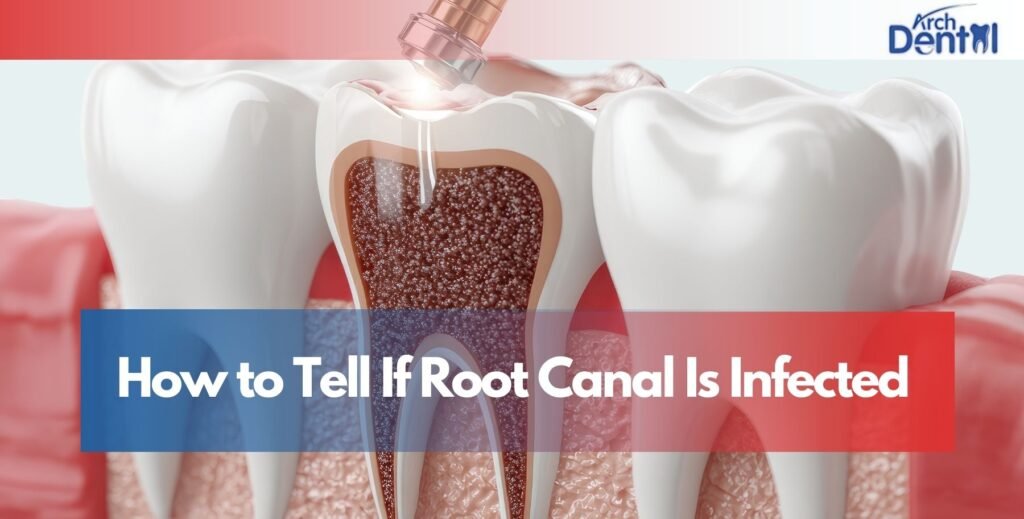
The complexity of tooth anatomy plays a significant role in treatment outcomes. Teeth contain not just main root canals but also tiny accessory canals, lateral branches, and microscopic tubules where bacteria can hide. Even with magnification and advanced cleaning techniques, some areas may remain difficult to access completely.
Complex Root Canal Anatomy
Some teeth have unusually curved, narrow, or calcified canals that make thorough cleaning challenging. Molars, in particular, often have multiple roots with varying numbers of canals, sometimes more than your dentist can easily detect. When bacteria survive in these hidden spaces, they can multiply over time and cause root canal reinfection symptoms months or even years after the original treatment.
Advanced imaging like cone beam CT scans can reveal complex anatomy before treatment, but even with this technology, some anatomical variations remain unpredictable. Teeth with C-shaped canals or webbing between roots present particular challenges for complete disinfection.
Inadequate Sealing or Filling Material Breakdown
The success of a root canal depends heavily on creating an airtight seal that prevents bacteria from re-entering the tooth. If the filling material doesn’t extend completely to the root tip or if gaps exist in the seal, bacteria can infiltrate and cause failed root canal infection. Over time, filling materials can also deteriorate, especially if the permanent crown placement is delayed.
Gutta-percha, the rubber-like material commonly used to fill root canals, generally remains stable for many years. However, if the coronal seal (the seal at the top of the tooth) becomes compromised due to decay, a lost filling, or a cracked temporary restoration, bacteria can work their way down into the previously treated canals.
New Decay or Tooth Damage
Even a successfully treated tooth remains vulnerable to new problems. Tooth decay after root canal can develop around the crown margins or on exposed root surfaces, creating pathways for bacteria to bypass the original seal. Similarly, cracks or fractures in the tooth structure whether from trauma, grinding, or simply biting on something hard can allow bacterial invasion.
New decay is particularly problematic because it can go unnoticed for some time, especially if it develops beneath a crown where it’s not visible. Regular dental checkups with X-rays help catch these issues before they compromise the root canal treatment.
Delayed Crown Placement
Your tooth becomes significantly more vulnerable when the permanent crown isn’t placed promptly after root canal treatment. Temporary fillings aren’t designed for long-term wear and can break down, allowing bacteria to contaminate the treated canals. Most dentists recommend placing the permanent restoration within 2-4 weeks of completing the root canal to minimize post-endodontic infection risk.
Teeth that undergo root canal treatment become more brittle over time because they no longer have a blood supply providing moisture and nutrients. Without the protective reinforcement of a crown, these teeth are more prone to fracturing, which can introduce bacteria and compromise the treatment.
Recognizing the Warning Signs
Identifying Signs of Root Canal Infection early is crucial for preventing the problem from worsening and potentially spreading to surrounding tissues or bone. While some symptoms are obvious and acute, others develop gradually and might be easy to dismiss as minor annoyances. Paying attention to what your body is telling you and taking action when something feels wrong can save your tooth and spare you from more extensive treatment.
Not all recurrent infections present with dramatic symptoms. Some develop slowly with subtle changes that only become obvious in retrospect. This is why maintaining regular dental checkups remains important even after successful root canal treatment your dentist can often detect problems before they cause noticeable discomfort.
Pain and Discomfort That Returns
The most common indicator of reinfection is pain that develops in a tooth that had been comfortable since treatment. This root canal pain months later might start as mild sensitivity and progress to more intense, throbbing discomfort. The pain may worsen when you bite down, chew on that side, or tap the tooth. Some patients describe a deep ache or pressure sensation that differs from the sharp pain they experienced before the original root canal.
Pain patterns can vary significantly. Some people experience constant dull pain, while others have intermittent sharp episodes. The discomfort might radiate to your jaw, ear, or adjacent teeth, making it difficult to pinpoint exactly which tooth is problematic. Any persistent pain in a previously treated tooth deserves professional evaluation.
Swelling and Visible Changes
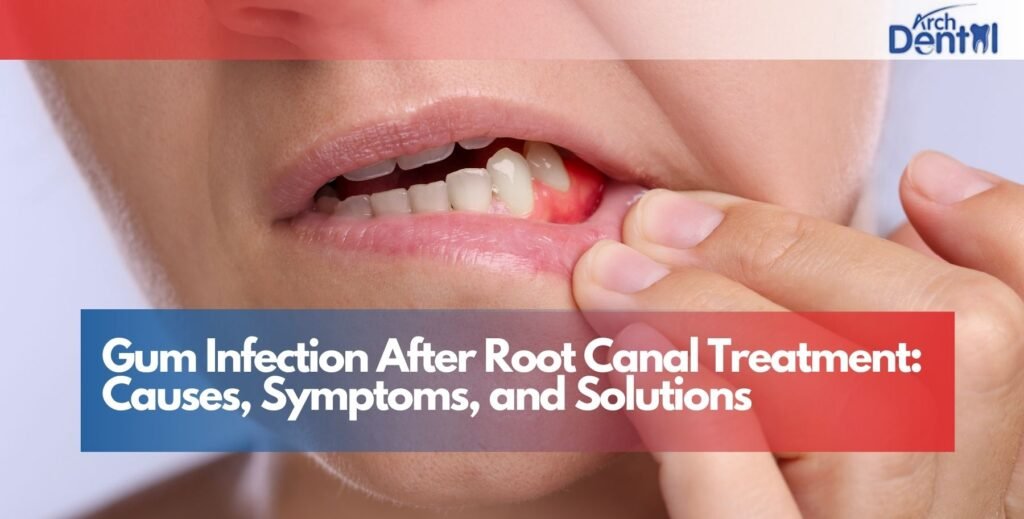
Gum Infection After Root Canal Treatment often manifests as visible swelling around the affected tooth. You might notice a bump or pimple-like formation on your gum tissue near the root area; this is called a fistula or “gum boil,” which represents a drainage pathway for infection. The gum tissue may appear red, inflamed, and feel tender to touch. Some patients observe facial swelling that extends beyond the immediate tooth area.
Swelling that develops rapidly or affects your ability to swallow or breathe requires immediate emergency attention. Even moderate swelling that persists beyond a few days warrants a call to your dentist. The presence of a persistent bump on your gum that may intermittently drain fluid is a clear sign of ongoing infection.
Sensitivity to Temperature and Pressure
While teeth that have undergone root canal treatment no longer contain nerve tissue inside, you might still experience sensitivity in the surrounding ligament and bone. Prolonged sensitivity to hot or cold that develops after a period of normalcy can indicate root canal failure symptoms. Similarly, increased sensitivity when biting or chewing suggests inflammation around the root tip.
This type of sensitivity differs from the immediate post-treatment tenderness that’s normal during healing. Recurrent infection sensitivity typically persists or worsens over time rather than gradually improving. It may feel like the tooth is sitting “high” in the socket or that there’s pressure building underneath it.
Bad Taste and Drainage
One of the telltale signs of infection is experiencing an unpleasant taste or odor that seems to come from the area around your treated tooth. If the infection creates a drainage pathway through your gum tissue, you might notice intermittent foul-tasting fluid in your mouth. This abscess drainage after the root canal provides temporary relief from pressure but indicates active infection that requires treatment.
The drainage may be white, yellow, or greenish in color and often has a notably unpleasant odor. Some patients first notice this when they wake up in the morning or after pressing on the swollen gum area. The presence of any drainage around a previously treated tooth is never normal and should prompt immediate dental consultation.
Treatment Options for Recurrent Infections
When infection returns after root canal treatment, you have several options depending on the severity of the problem, the tooth’s condition, and the underlying cause of the reinfection. Modern dentistry offers effective solutions that can often save your tooth and eliminate infection permanently. Your dentist will evaluate your specific situation and recommend the most appropriate approach.
The treatment choice depends on various factors: the extent of infection, the quality of the original root canal, the tooth’s structural integrity, and whether the tooth has been restored with a crown. In some cases, a conservative approach works well, while other situations require more aggressive intervention or even tooth removal.
Antibiotic Therapy as a Temporary Measure
When you develop symptoms of reinfected root canal, your dentist may prescribe antibiotics to control the infection and reduce inflammation. However, antibiotics alone cannot cure the problem because they cannot reach bacteria sealed inside the tooth structure. They serve as a temporary measure to make you more comfortable and reduce swelling before definitive treatment.
Common antibiotics prescribed for dental infections include amoxicillin, clindamycin, or metronidazole. It’s essential to complete the entire prescribed course even if you start feeling better. Stopping antibiotics prematurely can lead to antibiotic-resistant bacteria and allow the infection to return more aggressively.
Root Canal Retreatment (Endodontic Retreatment)
The most common solution for root canal infection recurrence is retreatment, also called endodontic retreatment. This procedure involves reopening the tooth, removing the previous filling material, and thoroughly cleaning and disinfecting the canals again—this time with the knowledge of where problems might have occurred during the initial treatment.
During retreatment, your endodontist uses advanced magnification with surgical microscopes and may employ specialized instruments to access previously missed canals or remove obstructions. The success rate for retreatment is approximately 75-90%, which, while slightly lower than initial treatment, still offers excellent odds of saving your tooth. The procedure is similar to the original root canal but may take longer due to the need to remove existing materials.
Apicoectomy (Root-End Surgery)
When retreatment isn’t feasible or hasn’t resolved the infection, an apicoectomy for persistent infection may be necessary. This surgical procedure involves making a small incision in your gum tissue to access the root tip, removing the infected portion of the root (usually the last 3mm), and placing a seal to prevent further bacterial invasion.
Apicoectomy is typically performed by an endodontist under local anesthesia. The procedure has a success rate of about 85-90% and can save teeth that would otherwise require extraction. Recovery usually involves some swelling and discomfort for a few days, managed with pain medication and ice packs. This option works particularly well when infection persists at the root tip despite proper canal cleaning.
Tooth Extraction and Replacement Options
In cases where the tooth structure is too compromised, the infection is too extensive, or previous treatments have failed, extraction becomes the most practical option. While losing a tooth is never the first choice, removing a chronically infected tooth eliminates the source of infection and prevents it from affecting adjacent teeth or spreading systemically.
After extraction, several tooth replacement after failed root canal options exist: dental implants (which replace both root and crown), fixed bridges (which use adjacent teeth for support), or removable partial dentures. Dental implants are often considered the gold standard because they function most like natural teeth and don’t require alteration of neighboring teeth. Your dentist will discuss which option best suits your situation, budget, and oral health goals.
Prevention Strategies to Avoid Future Infections
While you can’t control every factor that influences root canal success, you can take proactive steps to minimize the risk of reinfection and maximize the longevity of your treatment. Prevention is always preferable to dealing with complications, and the good news is that most preventive measures are straightforward and fit easily into your daily routine.
The long-term success of your root canal depends significantly on what happens after the procedure is completed. Your commitment to oral hygiene, regular professional care, and protecting your treated tooth from damage all contribute to positive outcomes.
Timely Crown Placement
One of the most important preventive steps is getting your permanent crown placed promptly after root canal completion. Don’t let weeks turn into months with just a temporary filling protecting your tooth. The temporary restoration isn’t designed for long-term durability and can break down, allowing bacterial contamination. Schedule your crown appointment before leaving the endodontist’s office if possible.
Most dentists recommend completing the permanent restoration within 2-4 weeks of finishing the root canal. This timing allows for adequate healing while minimizing the risk of the temporary filling failing. If you experience any issues with your temporary restoration it feels loose, falls out, or cracks, contact your dentist immediately rather than waiting for your scheduled appointment.
Maintain Excellent Oral Hygiene
Preventing root canal reinfection starts with meticulous daily oral hygiene. Brush at least twice daily for two minutes using a soft-bristled toothbrush and fluoride toothpaste. Pay special attention to the gum line around your treated tooth, where bacteria can accumulate. Floss daily to remove plaque and food particles from between teeth where your toothbrush can’t reach.
Consider using an antimicrobial mouthwash to reduce bacterial load in your mouth, especially if you’re prone to gum disease. Electric toothbrushes can be more effective than manual brushing for some people, providing consistent motion and timing. The goal is to create an oral environment that’s inhospitable to harmful bacteria while supporting overall gum health.
Attend Regular Dental Checkups
Even after successful root canal treatment, continue seeing your dentist every six months for routine cleanings and examinations. These visits allow your dental professional to monitor your treated tooth, take periodic X-rays to ensure the bone around the root remains healthy, and catch any developing problems before they become serious.
Regular checkups are especially important in the first year or two after treatment when complications are most likely to manifest. Your dentist can identify early signs of root canal infection returning that you might not notice yet, such as subtle changes in the bone structure around the root tip visible only on X-rays.
Protect Your Teeth from Trauma
Teeth that have undergone root canal treatment become more brittle over time because they lack the internal blood supply that provides moisture. This makes them more susceptible to fractures, which can compromise the seal and allow bacterial entry. Avoid chewing ice, hard candies, or popcorn kernels. Use caution when eating hard foods, and try to chew on the opposite side when possible.
If you grind or clench your teeth (bruxism), discuss getting a custom nightguard with your dentist. This protective device cushions your teeth during sleep and can significantly reduce the risk of fractures in your treated tooth. Similarly, if you play contact sports, wear an appropriate mouthguard to protect your teeth from traumatic injury.
When to Seek Professional Help
Never ignore symptoms that suggest your root canal infection has returned. Early intervention almost always leads to better outcomes and may allow for less invasive treatment options. If you experience any pain, swelling, sensitivity, or drainage around a previously treated tooth, contact your dentist promptly. What starts as a minor issue can escalate into a serious problem if left unaddressed.
Trust your instincts if something doesn’t feel right about your treated tooth, it’s worth having it evaluated. Dental professionals would rather examine you and find nothing wrong than have you wait until a manageable problem becomes a dental emergency. Most dentists accommodate urgent appointments for patients experiencing symptoms of potential infection.
Conclusion
Discovering that an infection has returned after root canal treatment can feel disheartening, but it’s important to remember that this complication is both manageable and treatable. Modern dentistry offers several effective solutions, from retreatment to surgical intervention, that can eliminate the infection and save your tooth. The key is recognizing warning signs early and seeking professional care promptly.
Your treated tooth deserves ongoing attention and protection. By maintaining excellent oral hygiene, attending regular checkups, getting your permanent crown placed promptly, and protecting your teeth from trauma, you significantly reduce the risk of reinfection. Even if you do develop complications, today’s advanced techniques and technologies give your tooth an excellent chance of long-term success.
If you’re experiencing symptoms of a recurrent infection or have concerns about a previously treated tooth, don’t hesitate to reach out to your trusted Dentist in Northampton, MA for a comprehensive evaluation. Professional assessment and timely treatment make all the difference in outcomes, and addressing problems early often means simpler, more conservative treatment options. Your oral health is worth the investment of time and attention, and the right dental team will work with you to preserve your natural teeth whenever possible.
Frequently Asked Questions
Is it normal for a root canal infection to come back?
While not common, it’s not unusual that reinfection occurs in 5-15% of cases. Most root canals succeed long-term, but factors like complex anatomy, missed canals, or compromised seals can allow bacteria to return. This is a recognized complication that dentists can treat effectively.
Can an infection return after a root canal?
Yes, infection can return after root canal treatment due to persistent bacteria in complex anatomy, inadequate sealing, new decay, tooth fractures, or delayed crown placement. The good news is that retreatment or other interventions can typically resolve the infection and save the tooth.
What happens if a root canal keeps getting infected?
Recurring infections may require more aggressive treatment such as endodontic surgery (apicoectomy) or, if the tooth structure is too compromised, extraction. Your dentist will investigate why infections keep occurring and recommend the most appropriate solution to prevent future problems.
Can a root canal be redone if there is an infection?
Yes, root canal retreatment is a common and effective solution for reinfection. The dentist removes old filling material, recleans and disinfects the canals, and reseals them. Retreatment success rates range from 75-90%, offering good odds of saving your tooth.
Why would a root canal have to be done twice?
Common reasons include missed canals during initial treatment, complex anatomy that wasn’t fully cleaned, breakdown of filling materials over time, new decay allowing bacterial entry, or cracks in the tooth structure. Retreatment addresses these issues with improved techniques.
What are the signs of a failed root canal?
Warning signs include persistent or returning pain, swelling around the tooth or gums, sensitivity to temperature or pressure, a pimple-like bump on the gum, bad taste or drainage, tooth discoloration, and tenderness when biting. Any of these symptoms warrant prompt dental evaluation.