
Oral health problems do not appear overnight. Cavities, cracked teeth, worn enamel, and missing teeth often develop slowly, affecting comfort, confidence, and daily function. Restorative dentistry focuses on repairing this damage and bringing the mouth back to a healthy, functional state. It is not just about appearance. It is about chewing properly, speaking clearly, and protecting long-term oral health.
This guide explains what restorative dentistry is, how it works, and why it plays a vital role in maintaining a strong and healthy smile throughout life.
What Is Restorative Dentistry?
Restorative dentistry is a branch of dental care that repairs damaged, decayed, or missing teeth. The goal is to restore normal tooth function, strength, and comfort while preserving natural tooth structure whenever possible. These treatments help patients eat comfortably, protect jaw alignment, and prevent further dental problems caused by untreated damage.
The main purpose of restorative dental care is to rebuild teeth that have been weakened by decay, injury, or wear. By repairing damage early, restorative dentistry prevents small problems from turning into painful infections or tooth loss. It helps maintain balance in the bite and supports overall oral stability.
While cosmetic dentistry focuses on appearance, restorative dentistry focuses on health and function. Many restorative treatments also improve appearance, but their primary goal is to repair damage and protect teeth. A healthy mouth is always the foundation of an attractive smile.
Why Restorative Dentistry Matters for Oral Health
Ignoring damaged teeth can lead to serious long-term issues. Restorative dentistry addresses these problems before they worsen.
Preventing Further Tooth Damage and Infection
Cracked or decayed teeth allow bacteria to enter deeper layers of the tooth. Restorative dentistry seals and strengthens these areas, stopping infection from spreading. Early restoration reduces the risk of pain, swelling, and advanced dental procedures later.
Maintaining Proper Bite and Jaw Alignment
Missing or damaged teeth can shift nearby teeth out of position. This affects bite alignment and jaw comfort. Restorative treatments help keep teeth properly aligned, reducing strain on the jaw and preventing uneven tooth wear.
Common Dental Problems Treated With Restorative Dentistry
Restorative dentistry addresses a wide range of oral health issues.
Tooth Decay and Cavities
Cavities weaken tooth structure and worsen if untreated. Restorative procedures repair decay, restore strength, and protect teeth from further damage. Early treatment preserves natural enamel and reduces long-term complications.
Cracked, Broken, or Worn Teeth
Teeth can crack due to trauma, grinding, or age. Restorative dentistry repairs these issues, preventing fractures from spreading and restoring normal chewing ability.
The Role of Restorative Dentistry in Daily Function
Healthy teeth play a major role in everyday life.
Improving Chewing and Digestion
Damaged or missing teeth make chewing difficult, affecting digestion and nutrition. Restorative dentistry restores proper chewing function, allowing patients to eat comfortably and maintain a balanced diet.
Supporting Clear Speech and Comfort
Teeth help shape sounds during speech. Missing or damaged teeth can affect pronunciation and comfort. Restorative treatments support clear speech and eliminate discomfort during talking.
How Restorative Dentistry Protects Long-Term Oral Health
Long-term oral health depends on timely care.
Preventing Tooth Loss Over Time
Untreated dental damage often leads to tooth loss. Restorative dentistry strengthens teeth and prevents conditions that cause permanent loss, helping patients keep their natural teeth longer.
Reducing the Need for Emergency Dental Care
By addressing problems early, restorative dentistry lowers the risk of sudden pain or infection. Preventive restoration helps avoid dental emergencies and unexpected treatments.
Restorative Dentistry and Overall Well-Being
Oral health affects more than the mouth. A restored smile improves comfort and confidence. Patients often feel more relaxed eating, speaking, and socializing when dental problems are resolved. Dental infections can affect overall health. Restorative dentistry reduces harmful bacteria and inflammation, supporting better systemic health over time.
Common Types of Restorative Dentistry Treatments
Restorative dentistry includes a wide range of treatments designed to repair damaged teeth and replace missing ones. Each treatment serves a specific purpose, depending on the extent of damage, location of the tooth, and the patient’s overall oral health. These procedures work together to restore strength, function, and long-term stability.
Dental Fillings for Early Tooth Decay
Dental fillings are one of the most common restorative dentistry procedures. They are used to repair teeth affected by cavities before decay spreads deeper. Fillings restore the tooth’s shape and strength while sealing out bacteria. Modern tooth-colored fillings blend naturally with enamel and allow patients to chew comfortably while preventing further deterioration.
Dental Crowns for Severely Damaged Teeth
Dental crowns protect teeth that are cracked, weakened, or heavily filled. A crown covers the entire tooth, restoring its structure and durability. Crowns are essential when a tooth can no longer support normal biting forces on its own. They help prevent fractures, reduce sensitivity, and extend the lifespan of the natural tooth.
Restorative Dentistry for Infected Teeth
When decay reaches the inner pulp of a tooth, more advanced treatment is needed.
Root Canal Therapy as a Restorative Solution
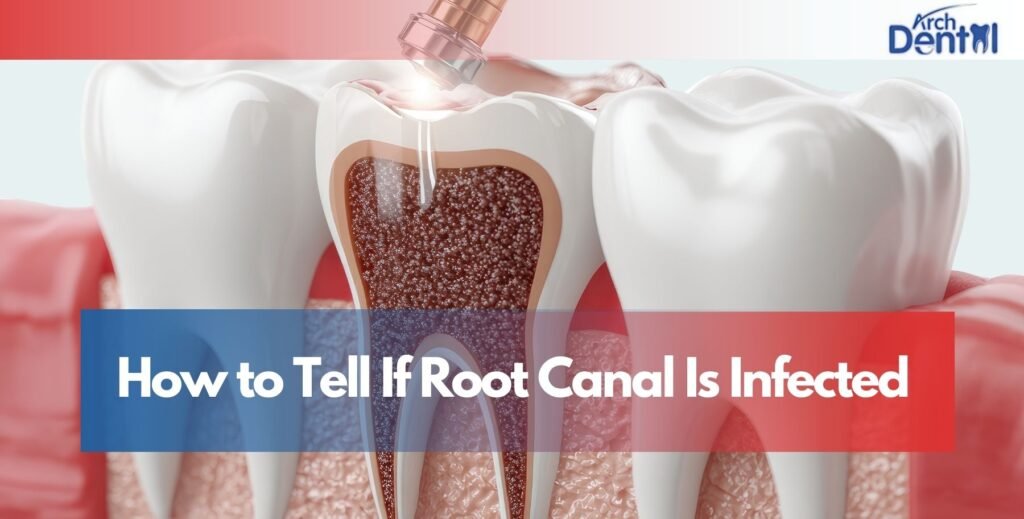
Root canal treatment removes infected tissue from inside the tooth while preserving the outer structure. After cleaning and sealing the canal, the tooth is restored with a crown to protect it from future damage. This approach saves natural teeth and prevents the need for extraction.
Preventing Tooth Loss Through Early Intervention
Without restorative care, infected teeth often require removal. Restorative dentistry allows dentists to intervene early, eliminating infection and preserving function. This reduces pain, restores comfort, and avoids complications associated with missing teeth.
Tooth Replacement Options in Restorative Dentistry
Missing teeth affect both appearance and function. Restorative dentistry provides solutions to replace them.
Dental Bridges to Restore Bite Stability
Dental bridges replace one or more missing teeth by anchoring artificial teeth to adjacent natural teeth. Bridges restore chewing ability, prevent teeth from shifting, and improve bite balance. They are a reliable solution when implants are not suitable.
Dental Implants for Long-Term Tooth Replacement
Dental implants replace missing teeth at the root level. A titanium post is placed in the jawbone and topped with a crown. Implants provide unmatched stability and help preserve bone structure, making them one of the most durable restorative dentistry solutions available.
Restorative Dentistry for Multiple Missing Teeth
Patients missing several teeth require more comprehensive care.
Partial Dentures for Functional Restoration
Partial dentures replace multiple missing teeth while using remaining natural teeth for support. They restore chewing function and prevent neighboring teeth from shifting out of alignment. Modern dentures are more comfortable and natural-looking than earlier designs.
Full Dentures for Complete Tooth Loss
When all teeth are missing, full dentures restore facial structure, speech, and eating ability. While removable, dentures play an important role in restoring quality of life for patients with extensive tooth loss.
How Restorative Dentistry Improves Bite and Jaw Health
A balanced bite is essential for comfort and long-term oral health.
Preventing Uneven Tooth Wear
Damaged or missing teeth cause uneven chewing forces. Restorative dentistry redistributes bite pressure evenly, reducing excessive wear on remaining teeth and protecting jaw joints from strain.
Supporting Jaw Alignment and TMJ Health
When teeth are restored properly, the jaw closes in a natural position. This reduces stress on jaw muscles and joints, helping prevent temporomandibular joint discomfort and chronic facial pain.
The Role of Restorative Dentistry in Preventive Care
Restorative dentistry is closely linked to prevention.
Stopping Small Problems From Becoming Major Issues
Early restorative treatments prevent cavities and cracks from progressing into infections or tooth loss. Addressing issues promptly reduces the need for more invasive procedures later.
Strengthening Teeth Against Future Damage
Restorative materials reinforce weakened teeth, making them more resistant to future decay or fractures. This added protection helps maintain long-term oral stability.
Choosing the Right Restorative Treatment
Every patient’s needs are different.
Personalized Treatment Planning
Dentists evaluate tooth structure, gum health, and bite alignment before recommending restorative care. Personalized treatment ensures that restorations function properly and last longer.
Balancing Function, Longevity, and Comfort
Effective restorative dentistry considers comfort, durability, and ease of maintenance. The right treatment restores confidence while protecting oral health for years to come.
Who Is a Good Candidate for Restorative Dentistry?
Restorative dentistry is suitable for patients of all ages who have damaged, decayed, or missing teeth. Treatment is not limited to severe cases. Even minor issues benefit from early restoration to preserve tooth structure, prevent pain, and maintain oral function.
Patients With Tooth Decay or Structural Damage
Individuals experiencing cavities, cracked teeth, or weakened enamel benefit greatly from restorative care. These conditions can worsen quickly if untreated. Restorative dentistry strengthens compromised teeth and restores normal chewing ability while preventing infection.
Patients With Missing Teeth or Bite Problems
Missing teeth affect bite alignment and jaw comfort. Restorative treatments replace lost teeth and stabilize the bite, preventing shifting and excessive wear on remaining teeth.
Restorative Dentistry vs Tooth Extraction
Tooth extraction is sometimes necessary, but it is not always the best first option.
Preserving Natural Teeth Whenever Possible
Restorative dentistry prioritizes saving natural teeth. Retaining original tooth structure supports jaw health, maintains bite balance, and reduces long-term complications associated with tooth loss.
When Extraction Becomes the Only Option
Extraction is considered when a tooth cannot be repaired safely. Even then, restorative dentistry plays a role by replacing the missing tooth to restore function and prevent bone loss.
Long-Term Benefits of Restorative Dentistry
The benefits of restorative dentistry extend far beyond immediate repair.
Improved Oral Stability and Durability
Restored teeth withstand daily chewing forces more effectively. Strong restorations help maintain oral stability and reduce the likelihood of recurring dental problems.
Reduced Risk of Gum Disease and Infection
Damaged teeth harbor bacteria that contribute to gum disease. Restorative dentistry seals vulnerable areas, lowering infection risk and supporting healthier gums.
Maintenance After Restorative Dental Treatment
Long-term success depends on proper care.
Daily Oral Hygiene and Protective Habits
Brushing, flossing, and avoiding harmful habits such as grinding protect restorations. Good hygiene prevents decay around restorations and supports overall oral health.
Regular Dental Checkups and Monitoring
Routine dental visits allow dentists to monitor restorations for wear or damage. Early adjustments extend the life of restorations and prevent complications.
How Restorative Dentistry Supports Aging Smiles
Oral health needs change with age.
Preventing Tooth Loss in Older Adults
Restorative dentistry helps seniors maintain their natural teeth longer. Strong restorations support nutrition, speech, and independence.
Maintaining Comfort and Confidence Over Time
A restored smile allows patients to speak and eat confidently at any age. This contributes to better quality of life and self-esteem.
The Emotional and Social Impact of Restorative Dentistry
Dental health affects emotional well-being.
Restoring Confidence in Everyday Interactions
Patients often feel more confident smiling, speaking, and socializing after restorative care. Addressing dental damage reduces self-consciousness and anxiety.
Supporting Mental and Emotional Wellness
Chronic dental discomfort can affect mood and stress levels. Restorative dentistry eliminates pain and restores comfort, supporting overall well-being.
Why Restorative Dentistry Is an Investment in Health
Restorative care protects more than just teeth. Addressing problems early reduces the need for complex treatments later. Restorative dentistry helps patients avoid costly emergency procedures. Oral infections can impact systemic health. Restorative treatments reduce inflammation and bacterial spread, supporting better overall health.
Conclusion
Restorative dentistry plays a vital role in maintaining oral health, function, and quality of life. By repairing damaged teeth, replacing missing ones, and preserving natural tooth structure, it prevents long-term complications and supports a balanced, comfortable bite. Restorative care is not only about fixing problems it is about protecting your future oral health. Working with an experienced Dentist in Northampton, MA ensures personalized treatment, lasting results, and a healthier smile for years to come.