
Dental emergencies strike without warning, transforming an ordinary day into a moment of crisis. Whether you’re biting into your favorite meal or playing weekend sports, unexpected tooth trauma can occur instantly, leaving you confused about the proper course of action. Understanding how to respond effectively during these critical moments can mean the difference between saving or losing a tooth, preventing complications, or facing extensive dental treatment. This comprehensive guide equips you with essential knowledge to handle urgent dental situations confidently, minimize damage, and protect your oral health when every second counts.
Understanding Dental Emergencies
A dental emergency encompasses any urgent condition affecting your teeth, gums, or oral tissues that demands immediate professional intervention to alleviate severe discomfort, halt infection progression, or preserve threatened teeth. Unlike scheduled preventive dental care or routine cosmetic procedures, these situations cannot wait for regular appointment slots. The urgency stems from potential health risks, escalating pain levels, or the time-sensitive nature of successful treatment outcomes.
Emergency dental conditions vary significantly in severity and required response time. Some situations, like a knocked-out tooth, demand action within minutes for optimal results, while others may allow brief delays while arranging professional care. Distinguishing between true emergencies requiring immediate attention and less urgent dental problems that can wait until regular business hours helps you allocate resources appropriately and avoid unnecessary panic during stressful moments.
Recognizing True Dental Emergencies
Distinguishing genuine emergencies from urgent but less critical issues helps you respond appropriately, allocate resources wisely, and avoid unnecessary panic during stressful situations.
Critical Emergency Situations
Certain dental conditions constitute absolute emergencies requiring immediate professional intervention, regardless of the time or day. Tooth avulsion (complete tooth displacement from its socket) tops this list, as successful reimplantation rates drop dramatically with each passing minute. Uncontrolled oral bleeding lasting beyond fifteen minutes despite applied pressure signals potentially serious trauma requiring urgent assessment. Facial swelling accompanied by fever, difficulty breathing, or swallowing indicates dangerous infection spread demanding emergency room evaluation.
Severe dental pain that prevents sleep, eating, or normal function—especially when accompanied by swelling, fever, or pus discharge—requires prompt professional attention to address underlying infection or inflammation. Jaw injuries resulting from accidents or trauma may indicate fractures or dislocations necessitating immediate medical evaluation. These situations shouldn’t be postponed, as delays can result in permanent damage, life-threatening complications, or irreversible tooth loss that could have been prevented with timely intervention.
Urgent But Less Critical Situations
Some dental issues demand relatively quick attention but don’t require middle-of-the-night emergency room visits. Cracked or fractured teeth without severe pain can typically wait until the next business day, provided sharp edges aren’t causing soft tissue injury. Lost dental fillings or dislodged crowns create discomfort and sensitivity but rarely constitute true emergencies unless exposing nerves or causing unbearable pain. These situations warrant same-day or next-day dental appointments rather than after-hours emergency services.
Moderate toothaches manageable with over-the-counter pain relief, minor gum bleeding that stops with gentle pressure, or small chips in teeth without pain fall into this category. While these problems shouldn’t be ignored, they allow time to contact your regular dentist during normal hours to schedule prompt evaluation. Understanding this distinction prevents unnecessary stress and helps you access appropriate care levels based on actual urgency rather than initial anxiety about any dental problem.
Common Dental Emergency Scenarios
Understanding typical emergency situations and their warning signs enables quick recognition and appropriate response, potentially saving your teeth and preventing serious complications.
Intense Toothache
Severe tooth pain often signals serious underlying conditions like advanced tooth decay penetrating to the dental pulp, dental abscesses containing infection, or cracked teeth exposing sensitive internal structures. The discomfort may throb persistently, intensify with temperature changes, or radiate to surrounding facial areas. Unlike mild sensitivity from exposed tooth enamel, emergency-level toothaches interfere with daily activities, prevent restful sleep, and fail to respond adequately to standard pain relievers.
The underlying causes range from untreated cavities progressing to nerve involvement, to gum disease creating painful abscesses, to trauma causing internal tooth damage invisible to casual observation. Sometimes impacted wisdom teeth trigger severe pain as they attempt emergence, creating pressure and inflammation in surrounding tissues. Regardless of origin, persistent intense dental pain demands professional evaluation to identify and address root causes rather than simply masking symptoms with medication.
Fractured or Damaged Teeth
Broken teeth result from various causes including accidental falls, sports collisions, vehicle accidents, or biting extremely hard substances like ice or unpopped popcorn kernels. The fracture severity ranges from minor chips affecting only tooth enamel to major breaks extending below the gum line and compromising tooth structure. Vertical fractures running through teeth create particularly challenging situations, often necessitating tooth extraction when damage extends to the root.
The immediate concern involves exposed dentin or dental pulp creating pathways for bacterial invasion and infection. Sharp edges may lacerate tongue, cheeks, or lips, compounding the problem with soft tissue injuries. Temperature sensitivity often intensifies dramatically when protective enamel layers are compromised. Even seemingly minor chips warrant professional evaluation, as cracks invisible to the naked eye may have developed, predisposing the tooth to complete fracture under normal chewing forces.
Avulsed Teeth
Tooth avulsion, the complete displacement of a tooth from its socket, represents one of the most time-critical dental emergencies. Success in saving the tooth depends heavily on rapid action, with reimplantation within thirty minutes yielding the best outcomes. The periodontal ligament cells attached to the tooth root remain viable for limited periods outside the mouth, making preservation technique crucial. Improper handling damages these delicate cells, dramatically reducing successful reattachment probability.
This injury most commonly affects front teeth due to their forward position, typically resulting from sports accidents, playground incidents, or automobile collisions. Permanent teeth can often be saved through prompt reimplantation, while primary teeth in children usually aren’t replaced due to potential damage to developing permanent tooth buds underneath. The psychological impact of tooth loss, especially in visible areas, adds emotional urgency to physical concerns, making rapid professional intervention essential.
Oral Infections and Abscesses
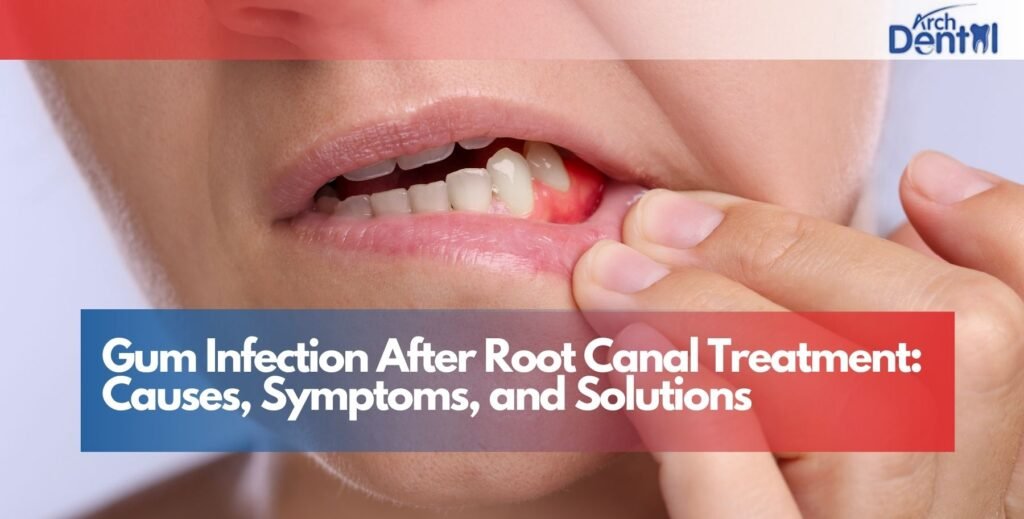
Dental abscesses form when bacterial infections create pus-filled pockets in or around tooth roots, representing serious dental emergencies with potentially life-threatening complications if untreated. These infections cause intense throbbing pain, visible swelling creating facial asymmetry, fever, and general malaise. The affected area may feel tender to touch, and patients often report foul taste or odor from pus drainage. Gum abscesses also develop around gum tissue, typically stemming from periodontal disease rather than tooth decay.
The danger lies in infection potential to spread beyond the original site, entering bloodstream circulation or extending to facial spaces, neck regions, or even the brain in extreme cases. Immunocompromised individuals face heightened risks from dental infections, as their bodies struggle to contain bacterial spread effectively. Even without systemic complications, the localized damage to supporting bone tissue and periodontal structures can result in tooth loss without prompt intervention involving drainage, antibiotics, and addressing underlying causes.
Lost Dental Restorations
Dislodged crowns or lost fillings expose underlying tooth structure, creating immediate sensitivity to temperature, pressure, and sweet substances. While rarely life-threatening, these situations cause significant discomfort and leave teeth vulnerable to further damage or decay. The exposed dentin contains microscopic tubules connecting to nerve endings, explaining the sharp pain experienced when stimulated. Without protective restoration coverage, weakened tooth structure faces increased fracture risk under normal chewing forces.
Temporary crowns come loose more frequently than permanent restorations, particularly during the waiting period between tooth preparation and final crown placement. Old fillings deteriorate over time, developing marginal gaps that allow bacterial infiltration and recurrent decay beneath the restoration. Sometimes dental cement simply fails, causing otherwise sound crowns to detach. Regardless of cause, exposed teeth require prompt attention to prevent complications, though this situation rarely demands after-hours emergency care unless accompanied by severe pain.
Immediate Response Protocols
Taking correct action during the critical first moments of a dental emergency significantly impacts outcomes, potentially determining whether teeth can be saved or complications prevented.
Managing Severe Dental Pain
When confronting intense toothache, begin by thoroughly rinsing your mouth with warm saltwater solution (one teaspoon salt dissolved in eight ounces warm water) to cleanse the affected area and reduce inflammation. Gently floss around the painful tooth to dislodge any trapped food particles potentially causing or exacerbating discomfort. Apply cold compresses to the external cheek area for fifteen minutes at a time, reducing inflammation and numbing pain through temperature effects.
Take appropriate doses of over-the-counter pain relievers like ibuprofen or acetaminophen according to package directions, but never place aspirin tablets directly against gum tissue, as this causes chemical burns. Avoid extremely hot, cold, or sweet foods that may trigger increased sensitivity. Elevate your head while resting to minimize blood flow to the affected area, potentially reducing throbbing sensations. Contact your dentist promptly to schedule emergency evaluation, as pain relief measures only address symptoms rather than underlying problems.
Handling Broken Teeth
If a tooth breaks or chips, immediately rinse your mouth with lukewarm water to clean the area and remove any loose fragments. If bleeding occurs, apply gentle but firm pressure using clean gauze or a moistened tea bag against the injury site until bleeding subsides. Carefully collect any broken tooth pieces, placing them in a clean container with milk, saliva, or saline solution—avoid tap water, which can damage cells on the fragment surface.
Apply cold compresses to the facial area nearest the injury to minimize swelling and provide comfort. If jagged edges cut your tongue or cheek, cover them temporarily with dental wax or sugar-free gum as a protective barrier until professional care is available. Avoid chewing on the affected side and stick to soft foods to prevent further damage. Contact your dentist immediately to schedule repair, as prompt attention increases the likelihood of successful restoration and may prevent the need for more extensive dental procedures later.
Saving Knocked-Out Teeth
Time is absolutely critical when dealing with avulsed teeth—every minute counts toward successful reimplantation. Locate the tooth immediately and pick it up carefully by the crown portion (the white part normally visible in your mouth), completely avoiding contact with the root surface where delicate ligament cells attach. If the tooth appears dirty, rinse it very gently under cool running water for no more than ten seconds—do not scrub, use soap, or touch the root area.
If possible, attempt to reposition the tooth in its socket immediately, having the injured person bite down gently on clean gauze or a soft cloth to hold it in place. If reinsertion seems impossible due to patient cooperation issues, pain, or uncertainty about proper positioning, store the tooth in the best available medium: ideally in milk, saliva (held between cheek and gum), or specialized tooth preservation solution available at pharmacies. Never use regular water, as this damages cells. Seek emergency dental care within thirty minutes for optimal reimplantation success.
Addressing Oral Infections
Dental abscesses demand immediate professional attention, but certain measures can provide temporary relief while arranging emergency care. Rinse your mouth frequently with warm saltwater solution to encourage drainage and reduce bacterial load in the affected area. Avoid pressing, squeezing, or attempting to drain the abscess yourself, as this can spread infection to surrounding tissues or bloodstream. Take over-the-counter pain relievers and fever reducers as directed on packaging.
Stay well-hydrated and maintain nutrition with soft foods that don’t require chewing near the affected area. Sleep with your head elevated to reduce facial swelling. Never apply heat to the external face over an abscess, as warmth increases blood flow potentially spreading infection—use cold compresses instead if swelling becomes problematic. Contact your dentist or seek emergency room care immediately, especially if you develop fever, difficulty swallowing or breathing, or facial swelling that closes your eye or extends toward your neck.
Dealing With Lost Restorations
When a crown comes loose or a filling falls out, locate and save the restoration if possible—sometimes dentists can recement original crowns, saving time and expense. Gently clean the exposed tooth and the restoration interior using a soft toothbrush and water. Temporary dental cement available at pharmacies can secure crowns temporarily, though follow package instructions carefully. For lost fillings, dental wax or temporary filling material from drugstores can protect the cavity temporarily.
Avoid chewing on the affected side until professional repair occurs. Skip extremely hot, cold, or sweet foods that may trigger sensitivity from exposed tooth structure. If the tooth feels sharp or catches on your tongue, cover rough edges with dental wax. Clove oil applied with a cotton swab may provide temporary pain relief for exposed areas, though use sparingly as excess can irritate tissues. Schedule a dental appointment promptly—while not typically requiring after-hours emergency care, these situations shouldn’t be delayed more than a few days.
Preventing Dental Emergencies
Proactive measures dramatically reduce dental emergency risk, protecting your smile through consistent care habits, protective equipment, smart choices, and prompt attention to developing problems.
Maintain Excellent Oral Hygiene
The foundation of emergency prevention lies in consistent, thorough daily oral care that prevents tooth decay, gum disease, and other conditions predisposing teeth to damage. Brush carefully twice daily using fluoride toothpaste and proper technique, spending at least two minutes covering all tooth surfaces. Daily flossing removes plaque and food debris from between teeth where brushes cannot reach, preventing cavity formation and periodontal problems in these vulnerable areas.
Regular professional dental cleanings every six months remove hardened tartar that home care cannot eliminate, while routine examinations identify developing problems before they become emergencies. Dentists can spot early tooth decay, small cracks, failing restorations, or gum disease in initial stages when conservative treatment suffices. This proactive approach costs far less in time, money, and discomfort compared to addressing full-blown dental emergencies requiring extensive intervention.
Use Protective Equipment
Athletic mouthguards dramatically reduce dental injury risk during contact sports, martial arts, skateboarding, and similar high-impact activities. Custom-fitted guards from your dentist provide superior protection and comfort compared to boil-and-bite or stock versions from sporting goods stores, though any mouthguard offers more protection than none. Nightguards protect teeth from damage caused by bruxism (teeth grinding), preventing worn enamel, fractured teeth, and jaw strain from unconscious clenching during sleep.
Seat belts and appropriate child safety seats prevent facial trauma during automobile accidents, one of the leading causes of severe dental injuries. Proper safety gear for recreational activities—helmets for cycling, face masks for certain sports—provides additional protection beyond oral-specific equipment. Parents should childproof homes to minimize fall risks and remove hazards that might cause facial injuries to young children developing coordination and exploring their environment.
Make Smart Dietary Choices
Your eating habits significantly impact dental emergency risk. Avoid chewing ice, hard candies, popcorn kernels, or other extremely hard substances that can crack or chip teeth, especially if you already have dental fillings or crowns that create structural weak points. Never use teeth as tools to open bottles, tear packages, or hold objects—these inappropriate uses subject teeth to forces they’re not designed to handle, resulting in fractures or other damage.
Limit consumption of sugary and acidic foods that promote tooth decay and enamel erosion, weakening teeth and making them more susceptible to damage. Choose nutritious foods that support strong teeth and healthy gums, including calcium-rich dairy products, crunchy vegetables that stimulate saliva production, and lean proteins that provide essential minerals. Stay hydrated with water rather than sugary or acidic beverages, and rinse your mouth after consuming potentially damaging substances.
Address Problems Promptly
Minor dental issues often escalate into emergencies when ignored. That small cavity discovered during your checkup becomes a painful abscess if left untreated. The tiny crack in your tooth expands under chewing forces until a major piece breaks away. The loose crown you’ve been meaning to have recented falls off completely at the worst possible moment. Addressing problems when they’re small, manageable, and easily treated prevents transformation into urgent situations.
Schedule dental appointments promptly when you notice sensitivity, pain, rough spots, or anything unusual in your mouth. Don’t postpone recommended treatments, as dentists suggest procedures based on preventing worse problems, not generating unnecessary revenue. Replace aging fillings and crowns before they fail completely. Treat diagnosed gum disease aggressively to prevent progression. This proactive philosophy minimizes emergency risk while protecting your long-term oral health and keeping overall dental costs lower.
Knowing When to Seek Help
Accurate assessment of symptom severity determines whether you need immediate emergency care, next-day appointments, or can safely wait for regular business hours without risking complications.
Signs Requiring Immediate Care
Certain symptoms indicate serious situations demanding immediate professional attention, regardless of time or convenience factors. Uncontrolled bleeding that doesn’t stop after fifteen minutes of firm pressure requires emergency evaluation. Severe swelling in your face, jaw, or neck especially if accompanied by fever, difficulty breathing, or trouble swallowing—may indicate dangerous infection spread requiring urgent intervention. Loss of consciousness, suspected jaw fracture, or significant trauma affecting multiple teeth necessitates emergency room evaluation rather than dental office care.
Excruciating pain that prevents sleep, eating, or normal function warrants immediate attention, particularly if accompanied by visible swelling, pus drainage, or fever suggesting infection. Knocked-out permanent teeth constitute absolute emergencies where minutes matter for successful reimplantation outcomes. Trust your instincts—if something feels seriously wrong or you’re genuinely frightened by symptoms, seek immediate professional assessment rather than waiting to see if things improve.
Situations That Can Wait
Not every dental problem requires dropping everything for emergency care. Mild toothaches responsive to over-the-counter pain medication can typically wait for next-day appointments during regular business hours. Small chips without sharp edges, pain, or exposed nerves rarely need middle-of-the-night attention. Lost fillings or dislodged crowns causing discomfort but manageable with temporary measures can usually wait until the next business day for professional repair.
Minor gum bleeding that stops with gentle pressure, food trapped between teeth causing irritation but removable with floss, or dull aching discomfort that comes and goes without interfering significantly with daily activities can be addressed during normal appointment slots. When in doubt, call your dentist’s emergency line many practices provide after-hours phone consultation to help patients determine whether immediate care is truly necessary or if the situation can wait.
Finding Emergency Dental Care
Establishing relationships with qualified emergency dental providers before crisis strikes ensures rapid access to skilled care when urgent situations demand immediate professional intervention.
Choosing an Emergency Dentist
Establishing relationship with a dental practice offering emergency services before crisis strikes ensures you know exactly where to turn when urgent situations arise. Look for practices advertising 24-hour emergency care or extended hours including evenings and weekends. Verify they offer same-day appointments for urgent issues and have protocols for handling true after-hours emergencies. Check whether they provide emergency phone consultation to help you assess situation severity and determine appropriate timing for care.
Consider location convenience emergency dental services closer to your home or workplace reduce travel time during already stressful situations. Investigate the dentist’s training and experience in handling various emergency scenarios, including advanced procedures like tooth reimplantation or abscess drainage. Read patient reviews focusing on emergency care experiences to gauge responsiveness, treatment quality, and patient satisfaction during urgent visits. Verify insurance acceptance if you carry dental coverage, though don’t let insurance considerations delay emergency care when needed.
What to Expect During Emergency Visits
Emergency dental appointments differ from routine checkups in their focused, problem-solving nature. The dentist prioritizes immediate pain relief, infection control, and tooth preservation over comprehensive evaluation or cosmetic perfection. Expect thorough assessment of the emergency situation through clinical examination and diagnostic X-rays to understand the full extent of damage or infection. The dental team will explain findings and recommend immediate treatment to address urgent concerns.
Treatment may be completed entirely during the emergency visit, or the dentist might provide temporary relief while scheduling follow-up appointments for definitive care. For example, a root canal might be started to relieve severe pain, with completion scheduled for a future visit. You’ll receive detailed instructions for post-treatment care, pain management, and signs of complications requiring further attention. Don’t hesitate to ask questions about your condition, treatment options, expected outcomes, and prevention strategies to avoid similar emergencies.
Conclusion
Dental emergencies test our ability to remain calm and take effective action during stressful moments when our oral health hangs in the balance. Armed with knowledge about recognizing true emergencies, implementing appropriate immediate responses, and accessing timely professional care, you’re prepared to handle these challenging situations with confidence. Prevention through excellent oral hygiene, protective equipment use, smart lifestyle choices, and prompt attention to developing problems remains your best strategy for avoiding emergencies altogether.
When emergencies do occur despite your best efforts, remember that prompt action significantly improves outcomes, whether you’re dealing with severe pain, tooth trauma, or dangerous infections. Don’t hesitate to seek professional help when symptoms warrant immediate attention, as delays can transform manageable problems into severe complications requiring extensive treatment. For residents experiencing urgent dental situations, our experienced Dentist in Northampton, MA provides compassionate, skilled emergency care when you need it most, combining clinical expertise with understanding of the anxiety and discomfort accompanying dental emergencies. Your oral health matters, and knowing how to respond during emergencies empowers you to protect your smile for years to come.