
Cracking or chipping a tooth can feel sudden and stressful. You might notice a sharp edge, sensitivity, or pain when biting. Even a small crack can worsen quickly if left untreated. This guide explains exactly what to do, why quick action matters, and how your dentist can restore the tooth safely.
How to Recognize a Cracked or Chipped Tooth
A damaged tooth can show up in many ways, and not every crack is visible. Understanding the early signs helps you act before the problem becomes severe.
Common Symptoms You May Notice
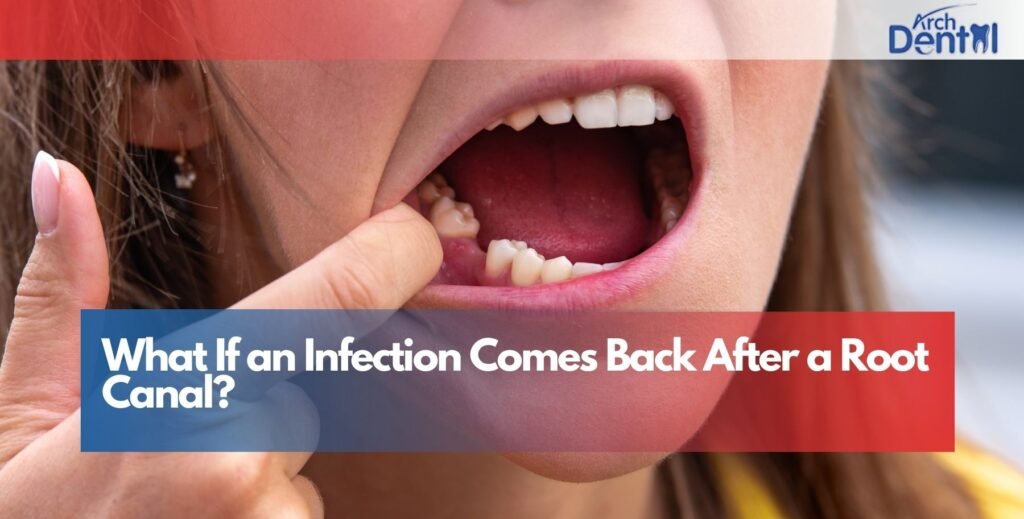
You might feel a rough or sharp edge with your tongue, sudden sensitivity to cold or heat, pain when biting down, or swelling in the gums around the tooth. Some cracks don’t hurt at first, but they can deepen over time, so it’s important not to ignore the early warning signs.
Immediate Steps to Take After Cracking or Chipping a Tooth
The first few minutes matter. Taking care of the area right away helps protect the tooth and reduce the risk of infection.
Rinse and Clean the Area Gently
Use warm water to rinse your mouth. This washes away debris and lowers your chances of irritation. Avoid using mouthwash that contains alcohol, which can cause additional discomfort.
Protect the Broken Area
If the tooth has a sharp edge, place dental wax or sugar-free gum over it to prevent cuts on your cheek or tongue. This is only temporary until you see your dentist.
Manage Pain and Sensitivity
Over-the-counter pain relievers like ibuprofen help reduce inflammation. Applying a cold compress on your cheek can also decrease swelling and discomfort.
Types of Dental Damage and What They Mean
Not every crack or chip is the same. The treatment depends on the depth, location, and severity of the damage.
Minor Chips in the Enamel
Small chips usually affect only the outer layer of the tooth. These are often painless and simple to repair with bonding or smoothing.
Cracks Beneath the Surface
Deeper cracks that reach the dentin or pulp require timely care. These cracks can expose nerves and increase the risk of infection, making the tooth more sensitive to heat, cold, or pressure.
Split Teeth or Significant Breakage
A tooth that has fractured below the gumline may require more complex care. In some cases, the dentist can save part of the tooth; in others, an extraction may be needed. Early evaluation gives you the best chance of saving the tooth.
What Not to Do After Cracking or Chipping a Tooth
Your instinct may be to continue chewing on the tooth or ignore it if it doesn’t hurt—but this can make things worse.
Avoid Chewing on the Damaged Side
Chewing on the affected tooth can deepen the crack or cause part of the tooth to break off completely.
Do Not Use DIY Fixes
Household glues or online “tooth repair kits” can be dangerous. They may trap bacteria and cause infection or prevent your dentist from repairing the tooth correctly.
Stay Away From Very Hot, Cold, or Hard Foods
Extreme temperatures and pressure can irritate the tooth or cause the crack to spread.
How Your Dentist Will Treat a Cracked or Chipped Tooth
Your dentist has several ways to repair the tooth based on the severity. Quick treatment improves both the comfort and appearance of your smile.
Dental Bonding for Minor Chips
If the chip is small, your dentist may use composite resin to rebuild the missing part. The repair blends in with your natural tooth and usually lasts for years with proper care.
Crowns for Larger Cracks
When the crack is deeper or the tooth has lost more structure, a crown provides strength and stability. This custom-designed cap protects the tooth during chewing and prevents further damage.
Root Canal Treatment for Internal Cracks
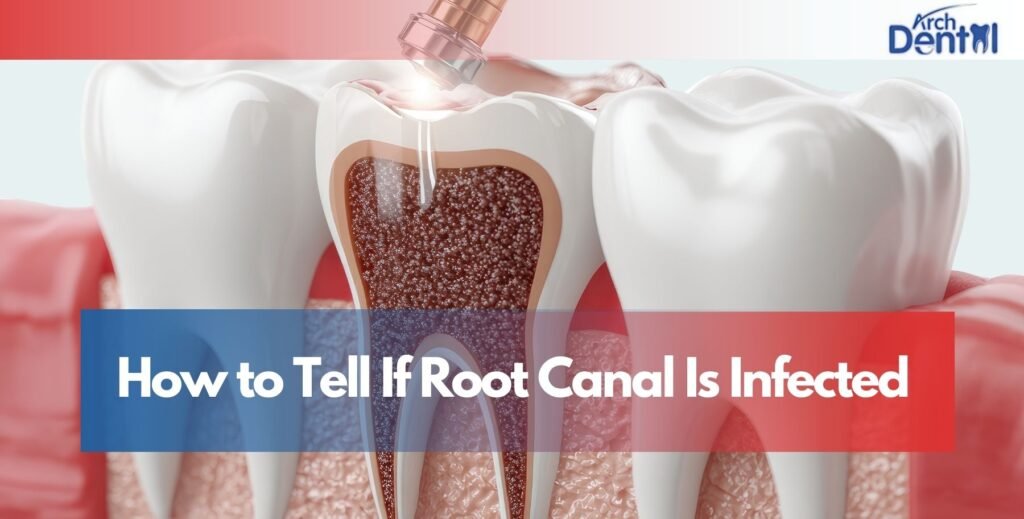
If the crack reaches the pulp—the inner nerve tissue—your dentist may recommend a root canal. This removes infection, relieves pain, and allows the tooth to be restored securely.
Extraction as a Last Option
When a tooth is too damaged to be saved, your dentist may recommend removal. Replacing the tooth with an implant, bridge, or partial denture prevents shifting and maintains your bite.
How to Relieve Pain From a Cracked or Chipped Tooth
Tooth pain can come from exposed nerves, sharp edges, or swelling. Managing symptoms while waiting for your dental appointment makes you more comfortable.
Use Cold Compresses to Reduce Swelling
Place a cold pack on the cheek for 10–15 minutes at a time. This helps decrease inflammation and numb the area.
Choose Soft, Lukewarm Foods
Foods like yogurt, scrambled eggs, mashed potatoes, and smoothies reduce pressure on the tooth while preventing additional irritation.
Avoid Acidic or Sugary Drinks
These can worsen sensitivity and increase the risk of decay around the damaged tooth.
Preventing Further Damage Before Your Appointment
Keeping the tooth stable protects it from more serious issues.
Wear a Nightguard If You Grind Your Teeth
Bruxism (grinding) is a major cause of cracks. If you already have a nightguard, wear it consistently until your appointment.
Maintain Gentle Oral Hygiene
Brush softly around the crack and floss carefully. Cleanliness helps prevent infection, especially if part of the tooth is exposed.
When a Cracked Tooth Requires Emergency Care
Not every chipped tooth is an emergency, but certain symptoms should prompt immediate attention.
Severe Pain or Swelling
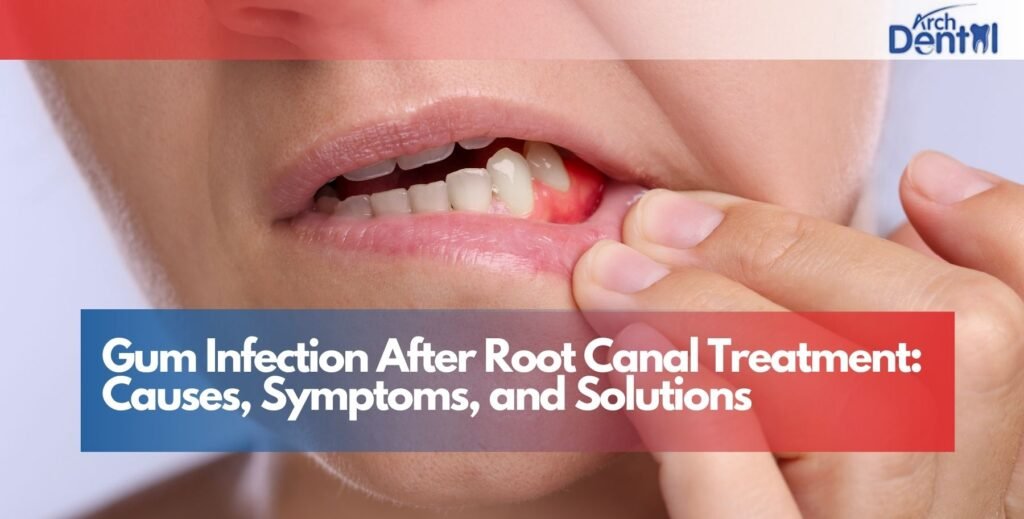
These may indicate infection or nerve involvement.
Bleeding That Doesn’t Stop
Continuous bleeding can mean the crack has reached deeper tissues.
A Knocked-Out Tooth
Call your dentist right away. Quick action increases the chance of saving the tooth.
How to Prevent Future Cracks and Chips
Healthy habits go a long way in protecting your teeth from future damage.
Avoid Chewing Hard Objects
Ice, pens, hard candy, and popcorn kernels can all cause cracks.
Maintain Regular Dental Visits
Your dentist can spot weakened enamel, grinding patterns, or early cracks before they turn into bigger problems.
Strengthen Your Teeth With Smart Choices
A balanced diet, adequate hydration, and limiting acidic foods help keep enamel strong and crack-resistant.
Conclusion
Cracking or chipping a tooth can happen unexpectedly, but fast action and proper care make a big difference. Whether it’s a small chip or a deeper crack, protecting the area, managing discomfort, and getting timely treatment helps preserve your smile and prevent complications. For expert evaluation, long-lasting repairs, and personalized care, visit an experienced Dentist in Northampton, MA who can guide you through the right treatment and restore your tooth with confidence.