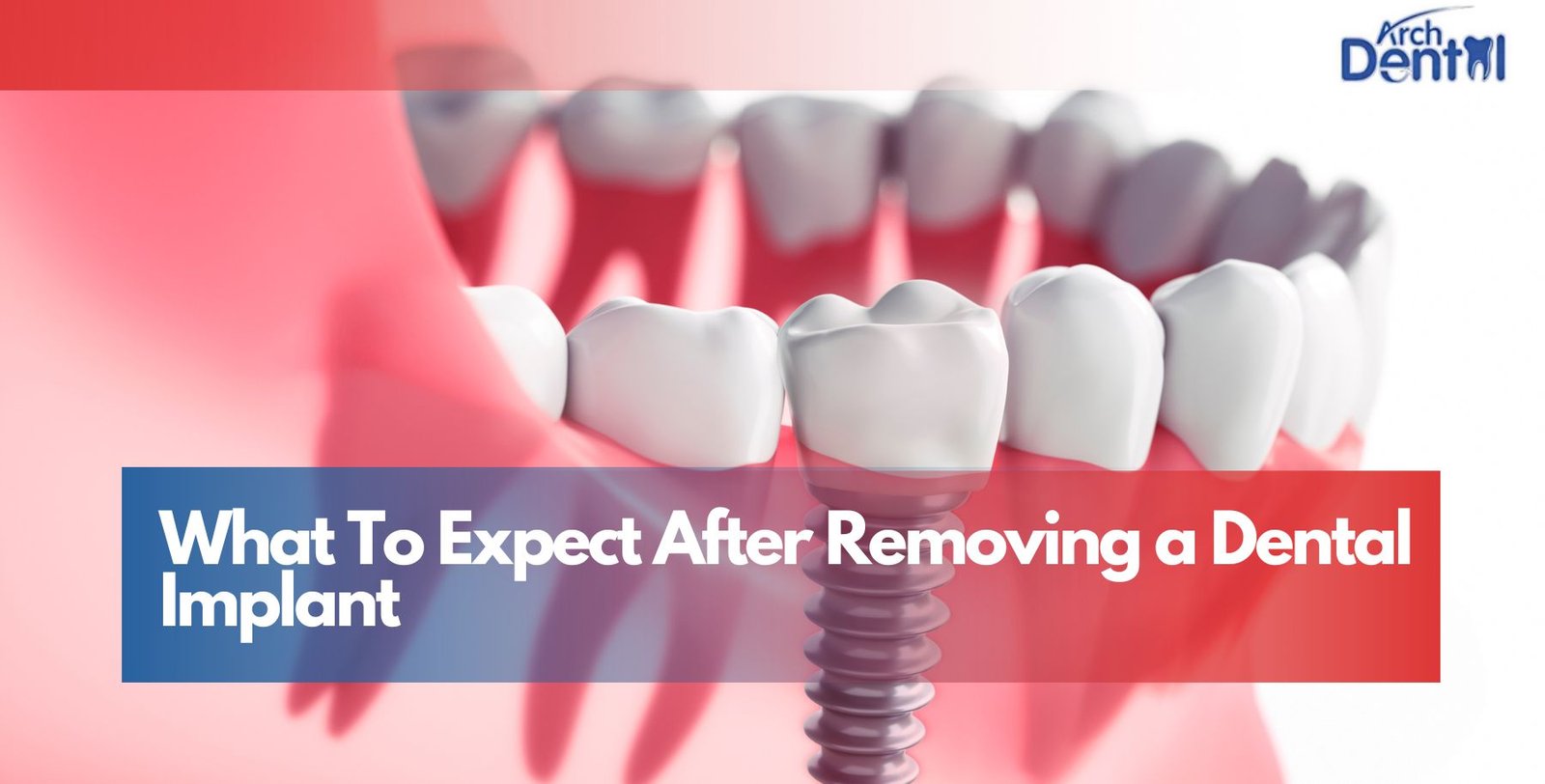
Removing a Dental Implant is far less common than placing one, but when complications arise, removal becomes necessary to protect your health and prepare the area for future treatment. If your dentist or oral surgeon has recommended implant removal, it is normal to feel unsure about what comes next. Understanding the healing process, potential discomfort, and recovery timeline helps you feel more prepared, confident, and informed.
Dental implant removal is a highly precise procedure performed when an implant fails to integrate, becomes infected, causes pain, or no longer supports the surrounding structures properly. In many cases, removal is the first step toward rebuilding the foundation for a successful replacement tooth. This guide provides a complete explanation of what to expect including healing stages, symptoms, aftercare instructions, future treatment options, and how to protect your oral health long-term.
This detailed, professional guide is designed to help you navigate the process with clarity and confidence.
Why Dental Implants Sometimes Need To Be Removed
Most dental implants last many years and offer exceptional stability. However, certain conditions can interfere with integration and long-term success. When this happens, removal is the safest and most appropriate choice.
Implant Failure Due to Poor Osseointegration
Osseointegration is the process in which bone fuses to the implant. If the bone does not integrate, the implant becomes loose. This can result from medical conditions, bone density issues, smoking, or improper placement. A loose implant cannot support a restoration and must be removed to prevent further damage.
Infection or Peri-Implantitis
Peri-implantitis is an inflammatory condition similar to gum disease. It affects the tissues and bone around an implant, often caused by plaque buildup or immune response issues. If bone loss progresses too far, the implant becomes unstable and removal is necessary.
Fractured or Damaged Implant Components
Implants or their internal components can occasionally crack, loosen, or break. Because these devices are small and tightly integrated into bone, removal is often the only way to restore oral function and relieve discomfort.
Persistent Pain or Nerve Involvement
If an implant irritates surrounding nerves, creates pressure, or causes constant pain, removal prevents long-term nerve complications. Early intervention reduces the risk of chronic discomfort.
What Happens During Implant Removal
Understanding the removal process helps you feel more prepared and reduces anxiety. Implant removal is typically straightforward and minimally traumatic when performed by a trained specialist.
Evaluation and Imaging Before Removal
Your dentist begins with X-rays or 3D imaging to evaluate the implant’s position, surrounding bone quality, and the best method for removal. This careful assessment ensures accurate planning and a predictable outcome.
Local Anesthesia and Sedation Options
Most implant removals are performed under local anesthesia, numbing the area completely. Patients with anxiety or complex situations may benefit from sedation options such as oral sedatives or IV sedation for a relaxed and comfortable experience.
Gentle Loosening and Extraction of the Implant
Specialized tools are used to gradually unscrew or lift the implant from the bone. Modern techniques prioritize minimal trauma, preserving bone structure and reducing recovery time. When the implant integrates deeply, a small amount of bone reshaping may be required.
Cleaning and Preparing the Extraction Site
After removal, the area is thoroughly cleaned to eliminate bacteria, inflamed tissue, or debris. This step supports fast healing and reduces the risk of infection.
Immediately After Implant Removal — What You Can Expect
Once the implant is removed, your body begins healing right away. Knowing what to expect helps you manage recovery comfortably and avoid unnecessary worry.
Mild Bleeding and Swelling
Minor bleeding is normal during the first few hours following removal. Your surgeon places gauze to control bleeding, and swelling typically peaks within 48 hours. Ice packs, rest, and following home-care instructions help manage these symptoms.
Soreness or Tenderness at the Site
Soreness is common but temporary. Most patients describe the discomfort as similar to a basic tooth extraction. Pain medication prescribed by your dentist can effectively manage symptoms during the first few days.
Stitches or Surgical Dressing
If the gum tissue required opening, dissolvable stitches may be used. These typically dissolve on their own within one to two weeks. A protective dressing may be placed in certain cases to shield the area during early healing.
The Complete Healing Timeline After Implant Removal
Healing occurs in distinct phases. While recovery varies among individuals, many patients find the process easier than they expected.
First 24 Hours
Clot formation begins immediately. Rest, avoid rinsing vigorously, and follow all instructions to protect the surgical area.
Days 2–3
Swelling and tenderness peak, then gradually decrease. Continue cold compresses and take medication as directed.
Days 4–7
Discomfort significantly improves. Most patients resume normal eating habits (soft foods early on) and regular activities.
Weeks 2–4
Gum tissue heals fully, and stitches dissolve. A follow-up appointment may be scheduled to confirm successful healing.
Complete Bone Healing (3–6 Months)
Bone regeneration can take several months. This timeframe is critical if you plan to replace the implant in the future.
Common Symptoms After Implant Removal
Knowing which symptoms are normal helps prevent unnecessary panic and ensures that you recognize problems early.
Normal Symptoms
Normal symptoms include mild swelling, soreness, sensitivity, or slight bruising. These typically improve within a week.
Symptoms That Require Attention
Call your dentist if you experience:
- Persistent bleeding
- Increasing pain after several days
- Fever
- Pus or foul odor
- Excessive swelling
Prompt attention ensures a safe and comfortable recovery.
Aftercare Instructions for a Smooth Recovery
Proper aftercare protects the healing site, prevents complications, and helps you heal faster.
Managing Pain and Swelling
Use cold packs for the first 48 hours, rest frequently, and take pain medication exactly as prescribed. Keeping your head elevated helps reduce swelling.
Eating and Drinking Guidelines
Stick to soft foods such as yogurt, soups, mashed potatoes, or smoothies. Avoid hot, spicy, and crunchy foods until the tissue stabilizes. Hydration supports healing, but avoid straws to prevent clot disruption.
Oral Hygiene Care
Brush gently around the site, avoiding direct contact during early healing. Your dentist may recommend warm saltwater rinses after the first 24 hours to keep the area clean.
Avoiding Harmful Activities
Do NOT smoke, vape, or consume alcohol for several days after surgery, as they slow healing and increase infection risk. Avoid strenuous exercise for 48–72 hours.
Can You Replace a Dental Implant After Removal?
Many patients choose implant replacement once the area heals. Whether immediate or delayed replacement is possible depends on bone quality and the reason for removal.
Immediate Replacement
In very selective cases where bone remains strong and infection is absent, an implant may be placed at the same appointment. This is less common but highly effective when conditions are ideal.
Delayed Replacement
Most patients require several months of healing before a new implant is placed. Bone regeneration ensures long-term stability for the new restoration.
Bone Grafting After Removal
If the removal procedure caused bone loss or if infection was present, bone grafting strengthens the area for future implant success. Grafts integrate over several months before implant placement.
Long-Term Effects of Implant Removal
Understanding the long-term implications helps you make informed decisions about future dental care.
Bone Changes at the Site
Without an implant or graft, bone at the site may shrink over time. Planning for timely replacement prevents excessive bone loss.
Nearby Teeth and Bite Stability
Removing an implant may temporarily affect chewing pressure or bite balance. Your dentist monitors these changes and offers solutions as needed.
Future Treatment Options
Even after removal, excellent replacement options exist—including bridges, dentures, or a new implant after healing. Your dentist will guide you toward the strongest long-term choice.
Restorative Options After Implant Removal
Losing an implant does not mean losing the opportunity to restore your smile. Today’s dentistry offers multiple treatments to rebuild function, strength, and aesthetics.
Implant Replacement
Once healed, most patients are candidates for implant replacement. Modern techniques improve integration and stability.
Dental Bridges
A bridge may be recommended when implant replacement is not possible. It fills the gap using support from neighboring teeth.
Partial Dentures
A removable partial denture is an economical way to restore appearance and function temporarily or long-term.
When Bone Grafting Is Needed
Grafts strengthen weak bone and ensure a stable foundation for future replacement options.
The Emotional Side of Implant Removal
Removing an implant can feel discouraging for some patients. However, successful replacement and healing are achievable with the right approach.
Reassurance from Your Dental Team
Implant failure is not uncommon, and it does not reflect poor dental habits. Many factors, including bone density, medical conditions, and natural healing responses, play a role.
Creating a Clear Plan for Recovery
Dentists outline every step from removal to healing to replacement options—to help you feel confident and informed throughout the process.
When Implant Removal Leads to Better Future Results
Many patients ultimately achieve better outcomes after removing a problematic implant. Removing unhealthy tissue allows bone to heal properly, creating a stronger foundation. Future placement may occur at a more optimal angle or depth for long-term success. A successful replacement restores comfort, chewing ability, and aesthetics even better than before.
The Role of Professional Dental Care in Recovery
After removal, ongoing support from your dental provider ensures safe and predictable healing. Your dentist monitors the healing site, bone regeneration, and overall oral health. Your provider may recommend a Restorative Dental Procedure or begin planning your next Restorative Dental Treatment to restore full function and aesthetics.
Conclusion
A dental implant removal may feel overwhelming, but with the right guidance, the process is extremely manageable, predictable, and often the first step toward successful long-term restoration. Understanding what happens during removal, how healing progresses, and what options you have for future treatment empowers you to move forward with confidence and clarity. With expert care, the experience leads not to setbacks but to new possibilities for a healthier, stronger smile.
For expert support at every stage of your recovery, trust your smile to a Dentist in Northampton, MA.