Wisdom teeth are the last set of molars that grow at the very back of your mouth. They usually appear between ages 17 and 25, but they can come in earlier or later. For many people, these teeth don’t have enough space to grow properly. When that happens, wisdom teeth can cause pain, swelling, infections, and long-term dental problems.
This is why many dentists recommend removing wisdom teeth before they create issues. But not everyone needs them taken out. Understanding when wisdom teeth removal is necessary can help you avoid unnecessary discomfort and protect your long-term oral health.
This guide explains everything in a simple, clear way so you can decide whether wisdom tooth extraction is the right step for you.
Understanding What Wisdom Teeth Are
Wisdom teeth, also known as third molars, are the last teeth to develop. They were useful for our ancestors, who ate rough, tough foods. Today, our diet is softer, and our jaws have become smaller over thousands of years. Because of this, most people do not have enough space for these teeth to come in normally.
Wisdom teeth often stay under the gums, get stuck against other teeth, or grow in the wrong direction. These problems can cause pain, infections, or damage to nearby teeth.
Why Wisdom Teeth Often Cause Problems
Wisdom teeth usually erupt in a crowded space. When there isn’t enough room, they can grow sideways, push other teeth, or get trapped under the gums. This makes them harder to clean, which increases the risk of decay and infection.
How Many Wisdom Teeth Do People Have?
You can have anywhere from zero to four wisdom teeth. Some people are born without them. Others may have one or two, while some have all four. Whether or not they cause problems depends on how they grow and the amount of space in your jaw.
Do All Wisdom Teeth Need Removal?
No. If wisdom teeth grow straight, have enough room, and do not cause discomfort or oral health problems, removal may not be necessary. Regular dental checkups help your dentist monitor their growth.
When Wisdom Teeth Removal Is Necessary
Your dentist may recommend removing wisdom teeth when they cause pain, infection, or other complications. In many cases, wisdom tooth problems happen because the teeth are impacted, meaning they do not fully come out of the gums.
Leaving impacted wisdom teeth untreated can lead to serious oral health conditions.
Impacted Wisdom Teeth
An impacted wisdom tooth is one that cannot fully emerge. It may be trapped under the gums or grow at an angle. Impacted teeth can cause pressure, swelling, and severe pain. They also increase the risk of infection because bacteria can grow around partially erupted teeth.
Pain in the Back of the Mouth
One of the most common signs that wisdom teeth removal is necessary is pain. This pain may come and go or get worse over time. You may feel it while chewing, talking, or brushing. Persistent pain often means the tooth is pushing against bone or other teeth.
Gum Infection or Swelling
When wisdom teeth only erupt partially, they create a flap of gum tissue that traps food and bacteria. This can lead to a painful infection called pericoronitis. Symptoms include swelling, bad breath, and difficulty opening your mouth. Frequent infections may require removal.
Cysts or Jaw Damage
Sometimes, a fluid-filled sac called a cyst can form around an impacted tooth. If untreated, it can damage bone, roots, and nearby teeth. In rare cases, cysts can turn into tumors. Removing the wisdom tooth prevents long-term bone loss.
Symptoms That Suggest You Need Wisdom Teeth Removed
Not all wisdom teeth cause obvious symptoms, but many people experience signs when their teeth start to cause trouble. Knowing these symptoms helps you get early treatment and avoid complications.
Jaw Pain or Pressure
You may feel pressure at the back of your jaw as the teeth try to emerge. This pressure can become sharp or throbbing as the tooth pushes against the bone or nearby teeth.
Red or Swollen Gums
If your gums feel tender, swollen, or bleed easily around the back molars, it may mean the wisdom teeth are irritating the tissues or causing inflammation.
Difficulty Chewing or Opening Your Mouth
As wisdom teeth grow sideways or push into the jaw, they may cause tightness or pain when chewing or opening your mouth wide.
Crowding of Your Other Teeth
Wisdom teeth can push your other teeth forward, causing misalignment. This is especially concerning for patients who have had orthodontic treatment.
Persistent Bad Breath
Bad breath or a bad taste in your mouth can be a sign of infection caused by a partially erupted wisdom tooth trapping food and bacteria.
Types of Impacted Wisdom Teeth
Impacted wisdom teeth are a major reason for extraction. They can grow in different positions based on how they are stuck inside the jaw.
Soft Tissue Impaction
The tooth breaks through the bone but does not fully come out of the gums. This creates a flap where bacteria and food can collect.
Partial Bony Impaction
Part of the tooth is still trapped in the jawbone. This type often causes pain and swelling and can be difficult to clean.
Complete Bony Impaction
The entire tooth is stuck beneath the bone. Removal is more complex, but necessary if the tooth threatens your oral health.
Why Early Removal Is Often Recommended
Many dentists recommend removing wisdom teeth before symptoms get worse. Early removal, usually in the late teens or early twenties, is safer and leads to a faster recovery.
Younger Patients Heal Faster
The bone is softer in younger patients, making extraction easier. Healing is also quicker because the body recovers faster at a younger age.
Less Risk of Complications
Removing wisdom teeth early reduces the risk of infections, cysts, and nerve damage. Teeth become harder to remove with age.
Prevents Future Dental Problems
Early removal prevents overcrowding, gum disease, and decay that may develop later if wisdom teeth are left untreated.
Oral Health Problems Caused by Wisdom Teeth
Even if wisdom teeth don’t hurt constantly, they can silently damage your oral health over time.
Tooth Decay
Wisdom teeth are difficult to reach with a toothbrush. This makes them more likely to decay, especially partially erupted teeth.
Gum Disease
Inflamed gum tissue around wisdom teeth traps food and bacteria. Over time, this can lead to periodontal disease, which affects bone and gums.
Damage to Nearby Teeth
Wisdom teeth can push against the molars in front of them, causing root damage, enamel wear, and shifting.
Sinus Problems
Upper wisdom teeth are close to the sinuses. When they grow improperly, they may cause sinus pressure, headaches, and congestion.
How Dentists Decide If Wisdom Teeth Should Be Removed
A dental evaluation helps determine whether extraction is necessary. During your exam, your dentist looks at your teeth, gums, bite, and jaw structure.
X-Rays Help Dentists See Tooth Position
X-rays show whether wisdom teeth are impacted, the angle of growth, and their proximity to nerves and bone. This helps your dentist create a safe treatment plan.
Evaluation of Symptoms
Pain, swelling, infection, or repeated discomfort can signal the need for extraction.
Monitoring for Future Issues
Even if your wisdom teeth are not causing pain, your dentist may recommend removal if they show signs of potential problems.
How the Wisdom Teeth Removal Procedure Works
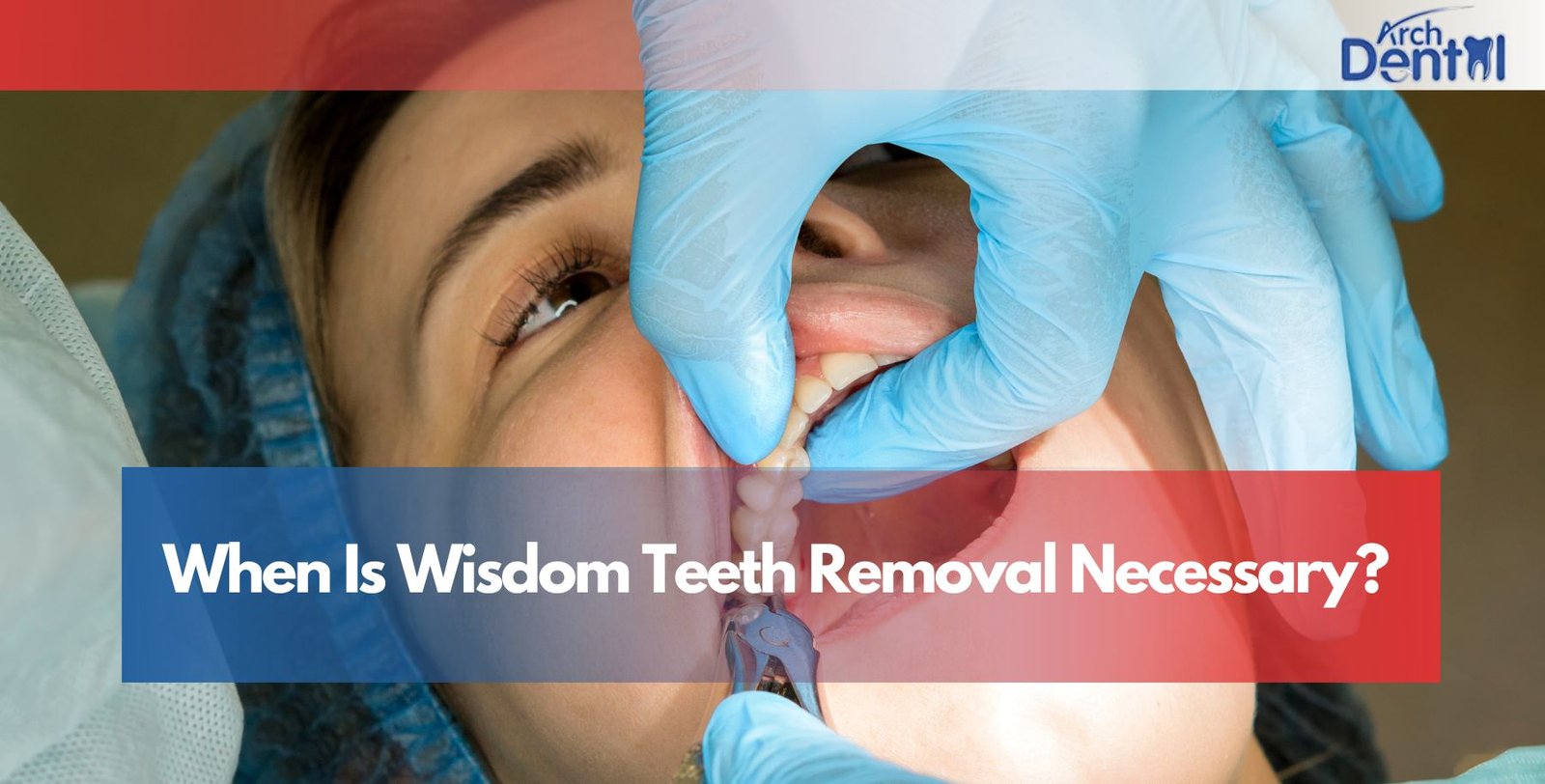
Wisdom tooth extraction can sound scary, but it is a common and safe procedure. Dentists and oral surgeons perform these extractions every day.
Step 1: Consultation and X-Rays
Your dentist reviews your symptoms, takes x-rays, and explains the process.
Step 2: Local Anesthesia or Sedation
The area will be numbed, and you may receive sedation if needed to keep you comfortable.
Step 3: Removal of the Tooth
Depending on the tooth’s position, your dentist may make a small incision in the gum or remove bone blocking the tooth. Impacted teeth may be removed in sections for safety.
Step 4: Cleaning and Closing the Area
The socket is cleaned, and stitches may be placed to support healing.
Recovery After Wisdom Teeth Removal
Healing takes a few days to a couple of weeks depending on the complexity of the extraction. Most patients recover smoothly when following proper aftercare.
What To Expect The First 24 Hours
Mild swelling, slight bleeding, and soreness are normal. Cold packs help reduce swelling.
Managing Pain and Discomfort
Your dentist may prescribe pain medication or recommend over-the-counter options. Take them as directed.
Eating After Extraction
Choose soft foods like yogurt, soup, mashed potatoes, and smoothies. Avoid using straws for the first few days.
Avoiding Complications Like Dry Socket
Dry socket happens when the blood clot becomes dislodged. Avoid smoking, spitting forcefully, or drinking hot liquids to reduce the risk.
Long-Term Benefits of Removing Wisdom Teeth
Many patients wonder why removing wisdom teeth is so common. Extraction offers long-term protection from oral health problems.
Healthier Gums and Teeth
Removing difficult-to-clean wisdom teeth reduces the risk of gum inflammation and cavities.
Preventing Overcrowding
Extraction helps maintain a straighter smile by relieving pressure on other teeth.
Lower Risk of Frequent Infections
Once problem wisdom teeth are gone, the risk of repeated infections decreases.
Better Oral Hygiene
Without the challenge of cleaning around wisdom teeth, your oral hygiene routine becomes easier and more effective.
When Wisdom Teeth Do Not Need Removal
Not everyone needs to have their wisdom teeth taken out. Some grow normally without causing problems.
Fully Erupted and Straight Wisdom Teeth
If a wisdom tooth grows straight and fits comfortably in the mouth, removal may not be necessary.
Healthy Surrounding Gums
If the gum tissue around the wisdom tooth is healthy and free of infection, extraction may not be required.
No Interference with Chewing or Bite
If your bite remains comfortable and your other teeth are not shifting, it is safe to keep your wisdom teeth.
Why Regular Dental Checkups Matter
Even if your wisdom teeth seem fine, regular dental exams help monitor changes over time.
Detecting Problems Early
Early detection helps prevent serious infections and complications.
Monitoring Tooth and Jaw Movement
Wisdom teeth may shift as they grow. Keeping track of changes helps your dentist make timely decisions.
Protecting Your Other Teeth
Regular checkups ensure the rest of your teeth stay strong and healthy as well.
Conclusion
Wisdom teeth don’t always need removal, but they often cause problems when there isn’t enough space for them to grow properly. Pain, swelling, infections, and impacted teeth are clear signs that extraction may be necessary. By removing them early, you reduce the risk of future dental issues and protect the health of your teeth and gums. When you’re unsure about your symptoms, it’s always best to talk with an experienced Dentist in Northampton, MA who can guide you with professional advice and a personalized treatment plan.
FAQs
Is wisdom tooth removal painful?
You won’t feel pain during the procedure because anesthesia is used. Some soreness afterward is normal.
How long does recovery take?
Most people recover in three to seven days, depending on the type of impaction and extraction.
What age is best for wisdom teeth removal?
Late teens to early twenties is ideal because healing is faster and complications are fewer.
Can I work the day after extraction?
Some people return to work the next day, but many prefer resting for 1–2 days.
What happens if I don’t remove impacted wisdom teeth?
Untreated impacted teeth can cause infections, cysts, gum disease, and damage to other teeth.