Facial swelling can range from a minor cosmetic annoyance to a life-threatening medical emergency, making it crucial to understand when immediate dental intervention becomes necessary. While some swelling results from benign causes like allergic reactions or minor injuries that resolve with home care, dental-related facial swelling often signals serious infections requiring urgent professional treatment. The challenge lies in distinguishing between situations that warrant watchful waiting versus those demanding immediate attention from an emergency dentist. Swelling of the face originating from dental problems typically indicates infection spreading from a tooth abscess, severe gum disease, or complications following dental procedures. When left untreated, these infections can progress rapidly, potentially spreading to vital structures in your neck, affecting your airway, or even entering your bloodstream, creating sepsis, a life-threatening systemic infection. This comprehensive guide helps you recognize the warning signs of serious dental infections, understand which symptoms require emergency dental evaluation, and learn what to do while waiting for professional care, empowering you to make informed decisions that protect your health and potentially save your life when faced with facial swelling.
Understanding Dental-Related Facial Swelling
Dental infections represent one of the most common causes of significant facial swelling, developing when bacteria from tooth decay, gum disease, or failed dental work spread beyond the tooth into surrounding soft tissues. This type of swelling differs fundamentally from other causes like allergic reactions, sinus problems, or salivary gland issues, each requiring different management approaches.
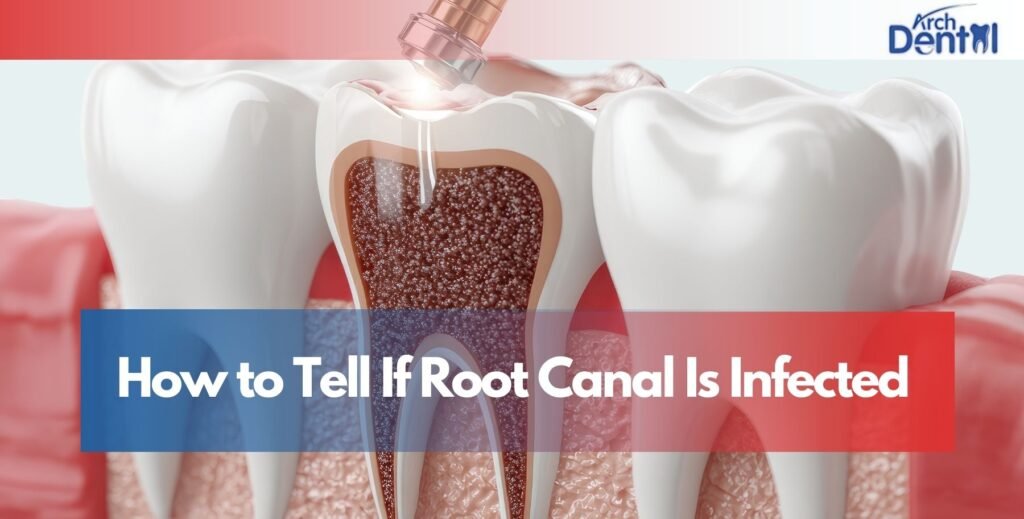
Odontogenic infections originating from teeth typically begin with a tooth abscess, a pocket of pus resulting from bacterial infection. When a cavity progresses deep enough to reach the tooth’s pulp (nerve and blood vessel chamber), bacteria invade this space, multiply, and eventually spread through the tooth root’s tip into the surrounding bone and soft tissues. The body’s immune response to this bacterial invasion creates inflammation, pus formation, and the characteristic swelling that brings most patients to seek emergency care.
Types of Dental Abscesses
Periapical abscesses form at the tip of a tooth root, resulting from untreated cavities allowing bacteria to reach the tooth pulp. Periodontal abscesses develop in the gum tissue surrounding teeth, typically in patients with advanced gum disease creating deep pockets between teeth and gums where bacteria accumulate. Pericoronal abscesses occur around partially erupted teeth most commonly wisdom teeth where overlapping gum tissue traps food and bacteria, creating infection. Each abscess type can cause facial swelling, though periapical abscesses more commonly produce significant external swelling as infection spreads from the tooth root into facial spaces.
How Dental Infections Spread
Understanding the progression of dental infections clarifies why timing matters critically when seeking treatment. Initially, infection remains localized within the tooth or immediately adjacent bone, causing toothache without visible swelling. As bacteria multiply and overwhelm local defenses, infection spreads through bone into soft tissue spaces in your face and neck. These fascial spaces lack barriers to stop infection spread, allowing bacteria to travel along tissue planes. Without treatment, infection can reach spaces around your airway (potentially obstructing breathing), spread to your brain through vascular connections, or enter your bloodstream causing sepsis. This progression can occur within hours to days, emphasizing the urgency of treating dental infections showing signs of spreading beyond the tooth.
Distinguishing Dental from Non-Dental Swelling
Identifying the source of facial swelling helps determine whether an emergency dentist or other healthcare provider is most appropriate. Dental swelling typically associates with tooth pain (though pain may decrease as infection spreads and pressure releases), starts gradually over hours to days, feels firm or fluctuant (fluid-filled) rather than soft and puffy, and localizes to areas near teeth lower jaw, cheek, or under the jaw. Non-dental causes like allergic reactions develop rapidly (minutes to hours), involve itching, hives, or breathing difficulty, and create soft, puffy swelling often affecting lips, eyes, and throat. Salivary gland problems cause swelling specifically in front of the ear (parotid gland) or under the jaw/tongue (submandibular/sublingual glands), often worsening with eating. Sinus infections create swelling around cheeks and eyes with accompanying nasal congestion and pressure.
Warning Signs Requiring Emergency Dental Care
Certain symptoms accompanying facial swelling indicate serious infection requiring immediate emergency dental evaluation, as delays in treatment can result in severe complications including airway obstruction, brain infections, sepsis, or death. Recognizing these red flag symptoms empowers you to seek appropriate urgent care when necessary.
The progression from localized tooth abscess to life-threatening infection can occur surprisingly quickly sometimes within 24-48 hours particularly in patients with compromised immune systems, uncontrolled diabetes, or other health conditions impairing infection-fighting capabilities. When multiple warning signs occur simultaneously, the urgency escalates significantly.
Rapidly Expanding Swelling
Swelling that increases noticeably within hours rather than days signals aggressive infection overwhelming your body’s defenses and spreading rapidly through tissue spaces. If you can observe the swelling growing over several hours your face becoming progressively more distorted this indicates an urgent need for emergency dental care. Rapidly expanding swelling suggests large amounts of pus accumulating or infection spreading extensively through fascial spaces, both situations requiring immediate surgical drainage and antibiotic therapy to prevent life-threatening complications.
Difficulty Breathing or Swallowing
Any breathing difficulty or sensation that your throat is closing represents a true medical emergency requiring immediate emergency room evaluation, as airway compromise can progress to complete obstruction within minutes to hours. Similarly, difficulty swallowing or the sensation of throat swelling indicates infection spreading to spaces around your airway (Ludwig’s angina when involving the floor of mouth). These symptoms demand immediate intervention, call 911 or go directly to an emergency room, as airway management takes precedence over dental treatment. Once airway security is established, emergency dental consultation addresses the infection source.
High Fever and Systemic Symptoms
Fever above 101°F (38.3°C) accompanying facial swelling suggests infection spreading systemically rather than remaining localized. Additional concerning systemic symptoms include chills, sweating, rapid heartbeat, confusion, extreme weakness, nausea and vomiting, or feeling severely ill beyond the local swelling and pain. These signs may indicate developing sepsis, a life-threatening condition where infection triggers dangerous inflammatory responses throughout your body. Sepsis requires emergency medical treatment with intravenous antibiotics and supportive care, alongside dental treatment addressing the infection source.
Swelling Affecting the Eyes or Extending to the Neck
Periorbital swelling puffiness around or beneath your eye from dental infection indicates spread to dangerous facial spaces with potential pathways to your brain through vascular connections. Dental infections rarely cause eye swelling unless severely advanced and spreading aggressively. Similarly, swelling extending down your neck or creating visible bulging in your throat area signals spread to deep neck spaces, a serious situation requiring immediate surgical evaluation and treatment. These patterns of spread significantly elevate complication risks and demand urgent emergency care.
Severe, Uncontrollable Pain
While pain severity varies between individuals, excruciating pain unresponsive to over-the-counter pain medications like ibuprofen or acetaminophen suggests extensive infection, significant tissue involvement, or developing complications. Pain that awakens you from sleep, prevents you from eating or drinking, or significantly impairs daily function warrants emergency evaluation. Additionally, if intense tooth pain suddenly stops while swelling worsens, this paradoxical improvement may indicate infection spreading from the tooth into surrounding tissues, a dangerous development requiring immediate treatment.
Situations Warranting Urgent Dental Appointments
Not all dental swelling constitutes a true emergency requiring immediate after-hours care or emergency room visits, but certain situations warrant urgent dental appointments within 24 hours. These scenarios involve symptoms that need prompt professional evaluation and treatment, though they don’t present immediate life-threatening risks justifying emergency intervention.
Understanding this middle category helps you respond appropriately—neither delaying necessary care nor overwhelming emergency systems with non-urgent problems. Most dental practices reserve urgent appointment slots for these situations or provide emergency contact numbers for guidance when symptoms develop outside regular hours.
Moderate Facial Swelling Without Systemic Symptoms
Visible facial swelling that develops over 1-2 days, remains localized to one area of your jaw or cheek, and isn’t rapidly expanding warrants urgent but not necessarily immediate emergency care. If you’re not experiencing breathing difficulty, high fever, or other concerning systemic symptoms, and the swelling isn’t affecting your eye or extending to your neck, you can typically wait for an urgent appointment within 24 hours rather than seeking after-hours emergency care. However, monitor symptoms closely any progression toward warning signs necessitates immediate emergency evaluation.
Persistent Tooth Pain with Facial Tenderness
Severe toothache accompanied by facial tenderness, slight facial swelling, or heat emanating from the area indicates developing abscess requiring urgent treatment. While you may not yet have obvious external swelling, these symptoms suggest infection is progressing and will likely worsen without intervention. Early treatment at this stage before significant swelling develops typically involves simpler procedures (antibiotics and root canal or extraction) compared to the surgical drainage often required once extensive swelling occurs.
Swelling After Recent Dental Procedures
Post-operative swelling following tooth extractions, root canals, or dental surgery is expected and normal for the first 48-72 hours. However, swelling that develops 3-5 days after a procedure, increases rather than decreases after the third day, or is accompanied by increasing pain, foul taste, or fever may indicate infection complicating healing. These signs warrant urgent evaluation to determine whether you’re experiencing normal delayed swelling or developing dry socket, infection, or other complications requiring treatment modification or antibiotic therapy.
Swelling Accompanied by Mouth Sores or Pus Drainage
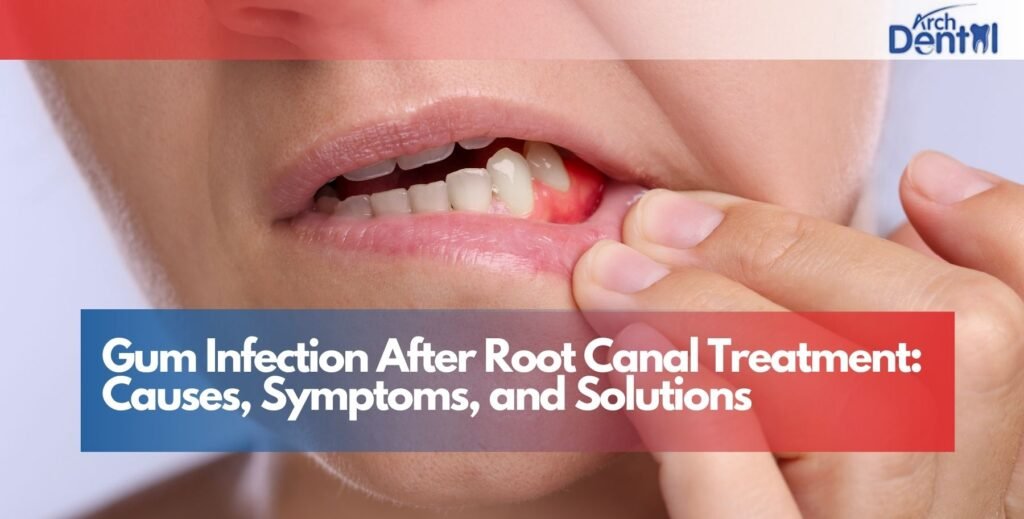
If you notice pus draining from your gums, a pimple-like bump on your gums (gum boil), or swelling associated with painful mouth sores, urgent dental evaluation is appropriate. Pus drainage from a dental fistula (drainage tract) sometimes temporarily relieves pressure and pain, leading patients to think the problem is resolving. However, drainage indicates active infection requiring treatment; the fistula merely provides a relief valve but doesn’t eliminate the infection source. These situations need prompt professional care even when pain temporarily improves.
What to Do While Waiting for Emergency Dental Care
When you’ve determined that emergency dental treatment is necessary but can’t access care immediately whether waiting for the dental office to open, traveling to an emergency dentist, or waiting in an emergency room certain measures provide symptom relief and potentially slow infection progression while you await professional treatment.
These interim strategies don’t substitute for definitive professional care but help manage symptoms and support your body’s infection-fighting efforts during the critical waiting period. Never delay seeking emergency care while attempting home remedies; these measures serve as adjuncts to, not replacements for, professional treatment.
Pain Management
Over-the-counter pain relievers help manage discomfort while awaiting treatment. Ibuprofen (400-600mg every 6-8 hours with food) provides both pain relief and anti-inflammatory effects, reducing swelling and discomfort. Acetaminophen (500-1000mg every 4-6 hours, not exceeding 3000mg daily) offers alternative pain relief if you can’t take NSAIDs. Some patients benefit from alternating these medications taking ibuprofen, then acetaminophen 3 hours later, then ibuprofen 3 hours after that for more consistent pain control. Never exceed recommended dosages, and avoid aspirin in children or teenagers.
Saltwater Rinses
Gentle warm saltwater rinses (1/2 teaspoon salt dissolved in 8 ounces warm water) help reduce bacteria in your mouth, soothe inflamed tissues, and provide mild pain relief. Swish gently for 30 seconds, then spit out repeat every 2-3 hours while awake. Don’t rinse vigorously, as aggressive swishing may spread infection or dislodge protective clots if you have open wounds. Saltwater rinses serve as gentle antimicrobial mouth cleansing, though they don’t penetrate deeply enough to treat established infections requiring antibiotics.
Cold Compresses
Applying cold compresses to the external facial area near swelling provides temporary relief by numbing the area, reducing inflammation, and slowing blood flow that carries inflammatory mediators to the site. Apply ice wrapped in a thin towel (never directly on skin) for 15-20 minutes, then remove for 15-20 minutes before reapplying. Continue this cycle during waking hours. Cold therapy works best in early infection stages; once significant pus accumulation occurs, cold provides less benefit and some practitioners recommend warm compresses to promote drainage, though this remains controversial.
Hydration and Soft Diet
Stay well-hydrated by drinking plenty of water, as hydration supports immune function and helps your body fight infection. If swallowing is painful, try cool liquids, popsicles, or ice chips. Maintain nutrition with soft, bland foods requiring minimal chewing—yogurt, smoothies, mashed potatoes, scrambled eggs, and protein shakes. Avoid hot, spicy, or acidic foods that may irritate inflamed tissues. Adequate nutrition and hydration provide your immune system the resources needed to combat infection while you await definitive treatment.
Elevation and Rest
Keep your head elevated, even during sleep, by using multiple pillows or sleeping in a reclining chair. Elevation reduces blood flow to the swollen area, potentially minimizing swelling progression. Prioritize rest, as your body fights infections most effectively when not stressed by physical activity. Avoid strenuous exercise, heavy lifting, or activities that elevate your blood pressure and increase blood flow to your head, as these may worsen swelling and discomfort while you await treatment.
What to Expect During Emergency Dental Treatment
Understanding what happens during emergency dental visits for facial swelling helps reduce anxiety and enables you to prepare appropriately for treatment. The specific procedures performed depend on your swelling’s cause, extent, and severity, though certain evaluation and treatment steps occur universally in dental emergencies involving infection.
Emergency dental treatment priorities include establishing accurate diagnosis, providing immediate symptom relief, controlling infection spread, and planning definitive treatment once acute infection resolves. In severe cases, treatment may occur in multiple stages over days to weeks.
Initial Evaluation and Diagnosis
Your emergency dentist begins with comprehensive evaluation including detailed symptom history, clinical examination of your face, mouth, and teeth, and dental X-rays identifying infection sources and extent. The dentist assesses vital signs (temperature, pulse, blood pressure) to evaluate infection severity and systemic impact. Palpation of swollen areas determines whether fluctuance (fluid accumulation suggesting abscess requiring drainage) is present. This evaluation typically takes 15-30 minutes and establishes diagnosis, urgency level, and appropriate treatment approach.
Immediate Treatment: Drainage and Source Control
If examination reveals abscess formation with pus accumulation, immediate treatment includes incision and drainage creating a small opening allowing pus to escape, relieving pressure and pain. This procedure requires local anesthesia, takes 10-20 minutes, and provides dramatic symptom improvement. The dentist may place a drain (small rubber strip) keeping the incision open for continued drainage over 24-48 hours. Simultaneously, addressing the infection source is crucial; this may involve emergency tooth extraction if the tooth is non-salvageable, or root canal therapy initiation if saving the tooth is feasible. Sometimes antibiotics alone start treatment, with definitive procedures delayed until infection partially resolves.
Antibiotic Therapy
Antibiotics play crucial roles in controlling dental infections, though they don’t replace surgical treatment (drainage and source control). Common antibiotics for dental infections include amoxicillin, penicillin VK, clindamycin (for penicillin-allergic patients), or amoxicillin-clavulanate for resistant infections. Severe infections may require intravenous antibiotics in hospital settings. Your dentist prescribes antibiotics based on infection severity, your health status, medication allergies, and whether bacteria resistance is suspected. Complete the full antibiotic course even when feeling better, as stopping prematurely can allow infection recurrence with antibiotic-resistant bacteria.
Follow-Up Care and Definitive Treatment
Emergency treatment addresses immediate threats, but follow-up appointments within 24-48 hours evaluate treatment response and continue care. Additional drainage, antibiotic adjustment, or progression to definitive treatment (completing root canal therapy, performing final tooth extraction, or addressing gum disease) occurs during follow-ups. The emergency dentist provides specific instructions regarding pain management, oral hygiene modifications, dietary restrictions, activity limitations, and warning signs requiring immediate re-evaluation. Adhering to these instructions optimizes healing and prevents complications.
Conclusion
Recognizing when facial swelling requires emergency dental intervention can literally save your life by preventing serious complications from spreading dental infections. While not all facial swelling constitutes emergencies, certain warning signs—rapidly expanding swelling, breathing or swallowing difficulty, high fever, swelling affecting eyes or neck, or severe uncontrollable pain demand immediate professional evaluation and treatment. Even less urgent situations like moderate swelling with tooth pain, post-procedure complications, or pus drainage warrant prompt dental care within 24 hours. The key lies in carefully monitoring your symptoms, understanding which combinations signal dangerous progression, and acting decisively when concerning signs develop. While awaiting emergency care, supportive measures like pain medication, cold compresses, saltwater rinses, and rest provide temporary relief but never substitute for professional treatment. Dental infections require definitive intervention, drainage of abscesses, elimination of infection sources through tooth extraction or root canal therapy, and antibiotic therapy to resolve safely. If you’re experiencing facial swelling with any concerning symptoms, don’t hesitate to contact a qualified Dentist in Northampton, MA or your local emergency dental provider for immediate evaluation and treatment that can prevent minor infections from progressing to life-threatening complications.
Frequently Asked Questions
Is face swelling a dental emergency?
Facial swelling from dental causes is typically an emergency requiring prompt evaluation. Swelling indicates infection spreading beyond the tooth into soft tissues, which can progress rapidly to life-threatening complications. Seek immediate emergency dental care if swelling is rapidly expanding, affects breathing or swallowing, accompanies high fever, or involves the eye or neck. Even moderate swelling warrants urgent dental appointments within 24 hours.
When to go to the ER for face swelling?
Go to the emergency room immediately if facial swelling causes difficulty breathing or swallowing, affects your ability to open your eyes, extends to your neck or throat, is accompanied by high fever (above 101°F), confusion, rapid heartbeat, or severe illness feeling, or involves facial trauma with possible fracture. ER physicians can secure your airway and stabilize your condition before dental treatment addresses the infection source.
What will a dentist do for a swollen face?
A dentist will evaluate the swelling through examination and X-rays, drain any abscesses by making incisions to release pus, prescribe antibiotics to control infection, address the infection source through tooth extraction or root canal therapy, provide pain management medications, and schedule follow-up appointments to monitor healing. Treatment aims to relieve pain, control infection spread, and eliminate the underlying cause.
When should I be concerned about facial swelling?
Be concerned about facial swelling that develops rapidly over hours, is accompanied by fever, toothache, or difficulty swallowing, feels warm to touch or shows redness, causes facial asymmetry or distortion, doesn’t improve or worsens after 24-48 hours, or is associated with pus drainage or foul taste. These signs suggest infection requiring professional treatment rather than minor issues resolving with home care.
How to treat severe facial swelling?
Severe facial swelling requires professional treatment—don’t attempt to treat serious swelling at home. Emergency treatment includes incision and drainage of abscesses, antibiotics (oral or IV depending on severity), addressing the infection source (extraction or root canal), and possibly hospitalization for IV antibiotics and monitoring. While awaiting care, take pain relievers, apply cold compresses, rinse with warm saltwater, stay hydrated, and keep your head elevated.
How do you know if you have an infection in your jaw?
Jaw infection signs include persistent throbbing toothache, facial swelling or visible bump on gums, sensitivity to hot/cold or chewing pressure, bad taste or foul breath, pus drainage from gums, fever and general illness feeling, swollen lymph nodes under jaw or neck, and facial warmth or redness. The combination of tooth pain with visible swelling and systemic symptoms (fever, malaise) strongly suggests jaw infection requiring antibiotics and dental treatment.