A healthy, confident smile depends on more than just white teeth — it also relies on the strength and integrity of your tooth structure. When a tooth becomes weak, damaged, or decayed, a dental crown can restore both its function and appearance. Dental crowns are among the most common restorative treatments used worldwide to repair teeth that can’t be saved with simple fillings.
If you’ve ever been told you need a crown, understanding the process and its benefits can make your decision easier. This detailed guide explains everything — from why crowns are necessary, how they’re made, to what you can expect during and after the procedure.
What Is a Dental Crown and How Does It Work?
A dental crown is a custom-made cap that covers and protects a damaged tooth. It’s designed to restore the tooth’s shape, size, and strength while improving its appearance. Crowns are permanently cemented in place, covering the entire visible portion of your tooth above the gum line.
The Purpose of a Dental Crown
Dental crowns act like armor for your teeth — protecting weakened or fractured teeth from further damage. They distribute chewing forces evenly, ensuring that your natural tooth underneath remains strong and functional.
How a Dental Crown Restores Function
When a tooth loses significant structure due to decay or trauma, it becomes more vulnerable to cracking. A crown encases it entirely, restoring its original strength and allowing you to chew and speak normally again.
When Do You Need a Dental Crown?
Not every dental problem requires a crown. Your dentist recommends one when the natural tooth can’t be restored using a simple filling or bonding.
Severely Decayed Teeth
When decay has destroyed most of the tooth’s structure, a crown offers the necessary protection after removing the decay and filling the cavity.
Cracked or Fractured Teeth
A cracked tooth can worsen under pressure. A crown stabilizes the tooth, preventing the crack from spreading and relieving pain during chewing.
After Root Canal Therapy
Teeth treated with root canals often lose vitality and become brittle. A crown reinforces these teeth, preventing breakage.
To Cover Dental Implants
When replacing missing teeth, a crown is placed atop a dental implant to mimic the appearance and function of a natural tooth.
Reasons Why You Might Need a Dental Crown
There are several scenarios where crowns are essential to restore and protect your teeth.
To Strengthen a Weak Tooth
Crowns prevent further cracking, chipping, or wearing down of weakened enamel.
To Restore a Broken Tooth
Whether caused by trauma or biting something hard, a crown rebuilds the broken structure and restores function.
To Enhance Cosmetic Appearance
Porcelain or ceramic crowns are ideal for front teeth, blending naturally with your smile while concealing discoloration, misshapen teeth, or large fillings.
To Support a Dental Bridge
Crowns on adjacent teeth act as anchors (abutments) for a dental bridge, replacing missing teeth efficiently.
What to Expect When Getting a Dental Crown
The crown process involves several steps — from diagnosis to placement — and is performed under local anesthesia for comfort.
Step 1: Examination and Preparation
Your dentist examines the tooth using X-rays to check its roots and surrounding bone. Any decay is removed, and the tooth is reshaped to make space for the crown.
Step 2: Impression or Digital Scan
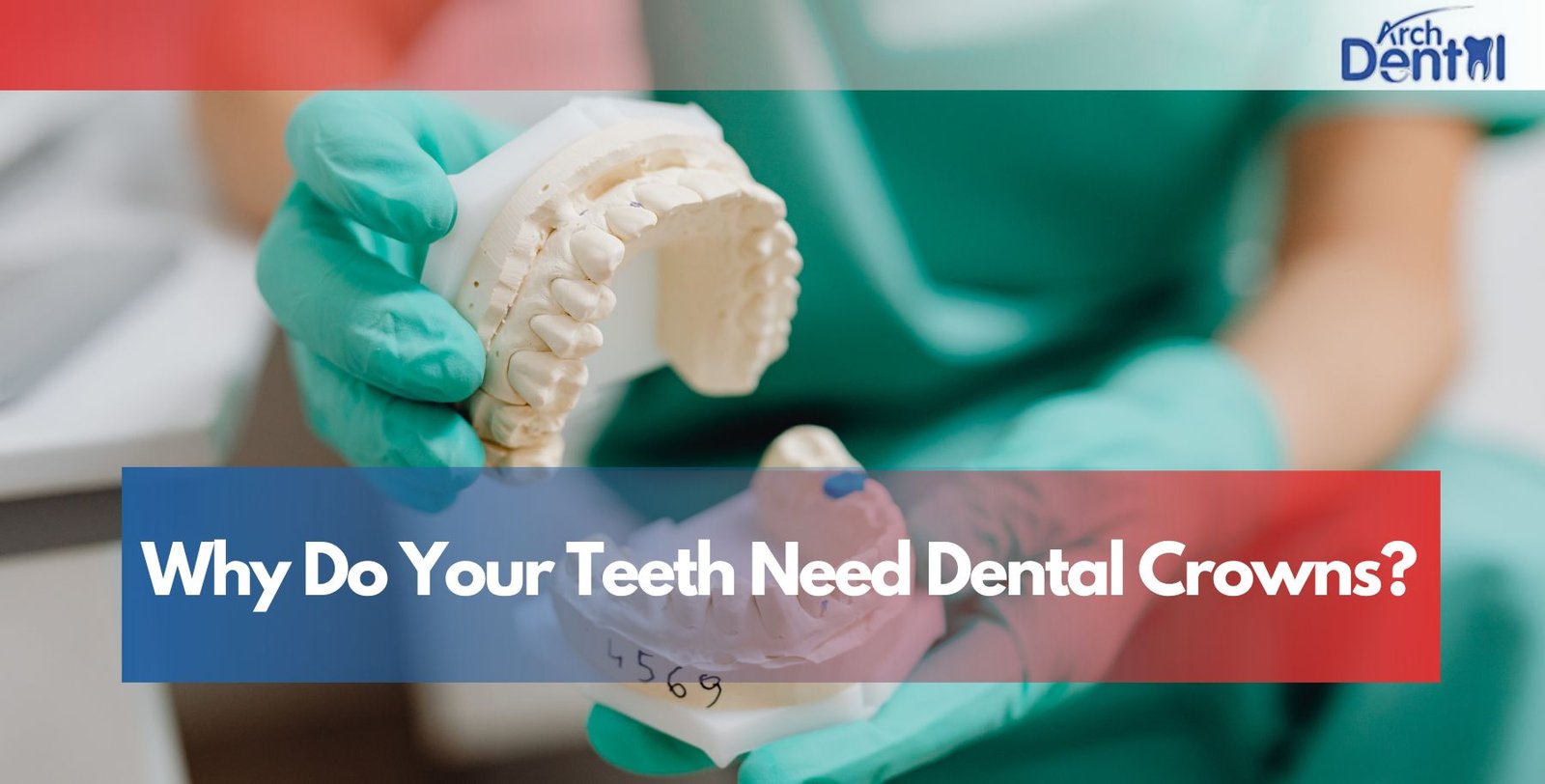
Once shaped, a digital scan or impression is taken. This model helps the lab design a crown that fits perfectly.
Step 3: Temporary Crown
While your permanent crown is being fabricated, a temporary one protects the tooth for 1–2 weeks.
Step 4: Final Placement
Once ready, your dentist removes the temporary crown, ensures the fit and color match, and cements the permanent crown in place.
Common Dental Problems That Require Crowns
Crowns are versatile and can solve many restorative and cosmetic issues.
Tooth Decay
When decay is extensive and a filling won’t hold, a crown ensures long-term stability.
Tooth Wear from Grinding
Chronic teeth grinding (bruxism) wears down enamel. Crowns restore lost height and prevent further damage.
Large Fillings That Weaken Teeth
Teeth with large or repeated fillings often lose strength. A crown provides structural reinforcement and prevents fractures.
Root Fractures
A crown can protect a cracked root from bacterial exposure and prevent the tooth from splitting further.
Benefits of Getting a Dental Crown
Dental crowns offer both restorative and cosmetic benefits, making them one of the most effective long-term dental solutions.
Protects Natural Tooth Structure
Crowns prevent weak teeth from breaking and safeguard against further decay.
Improves Functionality
Once the crown is in place, you can chew, bite, and speak normally — without discomfort or fear of damage.
Enhances Smile Aesthetics
Modern crowns mimic natural tooth color and translucency, making them indistinguishable from real teeth.
Long-Lasting Durability
With proper care, crowns can last over a decade — often 15 years or more — depending on material and oral hygiene.
Types of Dental Crowns and Their Materials
Crowns come in several materials, each with its unique properties. Choosing the right type depends on your tooth location, bite strength, and aesthetic goals.
Porcelain Crowns
Best for front teeth, porcelain crowns offer the most natural look. They reflect light similarly to enamel and are stain-resistant.
Porcelain-Fused-to-Metal (PFM) Crowns
These combine durability and beauty, offering strength from metal and aesthetics from porcelain. However, they may show a slight gray line near the gum over time.
Gold and Metal Crowns
Gold crowns are exceptionally durable and ideal for molars. They withstand heavy chewing forces without chipping.
Zirconia Crowns
Zirconia is a strong ceramic material that offers both beauty and strength. It’s ideal for patients seeking metal-free, long-lasting restorations.
Resin Crowns
More affordable but less durable, resin crowns are usually temporary or for short-term restoration.
How the Dental Crown Procedure Works
Understanding the process can help you feel more confident before your treatment.
Consultation and Planning
Your dentist evaluates your oral health, discusses crown options, and plans the best approach for your specific case.
Tooth Preparation
The dentist removes any decay and shapes the tooth to create space for the crown.
Impression and Fabrication
An impression or 3D scan is sent to a dental lab to create a customized crown with a perfect fit and shade match.
Placement and Bonding
Your permanent crown is securely cemented, and minor bite adjustments ensure a natural feel and function.
How Long Do Dental Crowns Last?
With proper care, dental crowns can last between 10 to 15 years, or even longer.
Factors Affecting Longevity
- Material Type: Zirconia and metal crowns last longer than porcelain.
- Oral Hygiene: Daily brushing and flossing prevent decay under the crown.
- Habits: Avoid chewing ice or biting hard foods.
- Dental Visits: Regular checkups help identify early issues.
Extending the Life of Your Crown
Using a night guard if you grind your teeth, maintaining good hygiene, and avoiding sticky foods all help extend your crown’s lifespan.
Caring for Your Dental Crown After Treatment
Proper aftercare ensures your new crown stays strong and beautiful.
Oral Hygiene Routine
Brush twice a day using fluoride toothpaste and floss gently around the crown’s base to remove trapped plaque.
Watch for Sensitivity
Mild sensitivity after placement is normal and usually subsides within a few days. Desensitizing toothpaste can help.
Avoid Sticky or Hard Foods
To prevent loosening or cracking, avoid sticky candies and very hard nuts, especially in the first few days.
Possible Issues or Complications with Dental Crowns
While crowns are safe and effective, occasional complications can occur.
Tooth Sensitivity
Some patients experience temporary sensitivity to hot or cold foods. If it persists, your dentist may adjust the fit.
Loose or Fallen Crowns
Cement can weaken over time, causing the crown to loosen. If this happens, visit your dentist immediately for re-cementing.
Gum Irritation
Improper fit or plaque buildup can cause gum inflammation. Regular cleaning prevents irritation.
Dental Crowns vs. Fillings and Veneers: What’s the Difference?
While all three are restorative treatments, they serve different purposes.
Dental Crowns
Crowns cover the entire tooth, providing maximum protection and durability.
Dental Fillings
Fillings are used to repair small cavities. They restore part of the tooth but don’t offer the structural support of crowns.
Dental Veneers
Veneers are thin shells bonded to the front surface of teeth for aesthetic enhancement, not structural repair.
For patients who need Fillings, Crowns in Northampton, MA, a professional evaluation ensures you receive the right treatment for your dental needs.
How Much Does a Dental Crown Cost?
Crown cost varies depending on materials and location, but understanding price factors helps you plan better.
Average Cost Range
- Porcelain-fused-to-metal crowns: $800–$1,400 per tooth
- All-ceramic or porcelain crowns: $1,000–$1,800 per tooth
- Gold crowns: $1,200–$2,500 per tooth
Factors Influencing Cost
- Material type
- Tooth location
- Dentist’s expertise
- Additional procedures (root canals, buildup)
Dental insurance often covers part of the cost if the crown is medically necessary.
Are Dental Crowns Permanent or Can They Be Replaced?
While crowns are long-lasting, they aren’t truly permanent.
Lifespan and Replacement
Most crowns last a decade or more, but they may eventually need replacement due to wear, gum recession, or decay at the margins.
Replacement Process
Replacing a crown involves removing the old one, cleaning the tooth, and placing a new, updated crown for optimal protection and appearance.
How Dental Crowns Improve Your Smile and Oral Health
Crowns not only protect damaged teeth but also play a big role in your overall oral health and confidence.
Restoring Functionality
You can chew comfortably without worrying about tooth pain or breakage.
Enhancing Aesthetics
Modern crowns match your natural teeth seamlessly, giving you a brighter, more even smile.
Boosting Confidence
A restored, beautiful smile enhances self-esteem and encourages better oral hygiene habits.
When to Visit Your Dentist for a Damaged or Loose Crown
Even the best crowns can wear out or become damaged.
Warning Signs
- Pain while biting or chewing
- Visible cracks or looseness
- Sensitivity around the crowned tooth
- Gum irritation or swelling near the area
What Your Dentist Will Do
Your dentist will assess the crown’s condition and determine whether it needs to be repaired or replaced. Regular dental checkups can help identify these issues early.
Conclusion
Dental crowns are one of the most reliable and versatile solutions in modern dentistry. They protect weak or damaged teeth, restore full functionality, and enhance your smile’s natural beauty. Whether you need to strengthen a fractured tooth, complete a root canal treatment, or improve cosmetic appearance, crowns can deliver lasting results.
For personalized care and expert restoration, consult an experienced Dentist in Northampton, MA who specializes in high-quality dental crowns and restorative treatments. With proper care and regular checkups, your crown can serve you beautifully for many years to come.