Dental sealants are one of the most effective preventive treatments for protecting teeth against decay. They’re quick, painless, and designed to strengthen enamel — not cause discomfort. However, it’s not uncommon for some patients to experience slight pain or sensitivity after the procedure.
If you’ve ever wondered why your tooth hurts after a dental sealant, this article explains everything you need to know from the causes of post-sealant discomfort to when you should contact your dentist.
What Are Dental Sealants
Dental sealants are thin, protective coatings made from resin or composite materials that are painted onto the chewing surfaces of your back teeth usually the molars and premolars. These areas are prone to cavities because of their deep grooves and pits, where food and bacteria often get trapped.
Sealants fill in these grooves, creating a smooth surface that makes brushing easier and shields the enamel from decay-causing bacteria and acids.
Purpose of Dental Sealants
The primary goal of dental sealants is cavity prevention. By sealing off the vulnerable parts of the teeth, they act as a barrier, stopping bacteria and plaque from causing damage.
Sealants can also be beneficial for people with mild enamel wear or sensitivity. In some cases, dentists apply a sealant for sensitive teeth to protect exposed enamel and reduce discomfort from temperature changes or sweets.
Causes of Pain After Getting a Dental Sealant
Although sealants are designed to protect teeth, some people experience mild pain or sensitivity after placement. This discomfort is usually temporary and not a sign of a serious problem.
Bite Interference or High Spot
If your bite feels uneven after getting a sealant, it could be because the layer is slightly too thick in one area. This can cause a tooth to take more pressure when you bite, leading to soreness.
Your dentist can easily adjust this by gently polishing the high spot, and the pain usually disappears immediately afterward.
Minor Gum or Tissue Irritation
During the procedure, the tooth surface is cleaned, dried, and isolated — sometimes using cotton rolls or dental dams. If these touch your gums, they can cause slight irritation or soreness that fades within a day or two.
Tooth Sensitivity
It’s common to feel temporary tooth sensitivity to cold, heat, or sweets right after a sealant is applied. This happens because the tooth surface was cleaned with a mild etching solution to help the sealant adhere. The discomfort is mild and usually resolves within 24 to 48 hours.
Adjacent Dental Work
If you recently had fillings or cleanings, your teeth may already be sensitive. Adding a sealant can make them feel tender for a short period. This is completely normal and should subside quickly.
Bruxism (Teeth Grinding)
Patients who grind their teeth at night may feel extra pressure on newly sealed teeth. A night guard can help protect the sealants and relieve post-treatment discomfort.
Do Dental Sealants Hurt
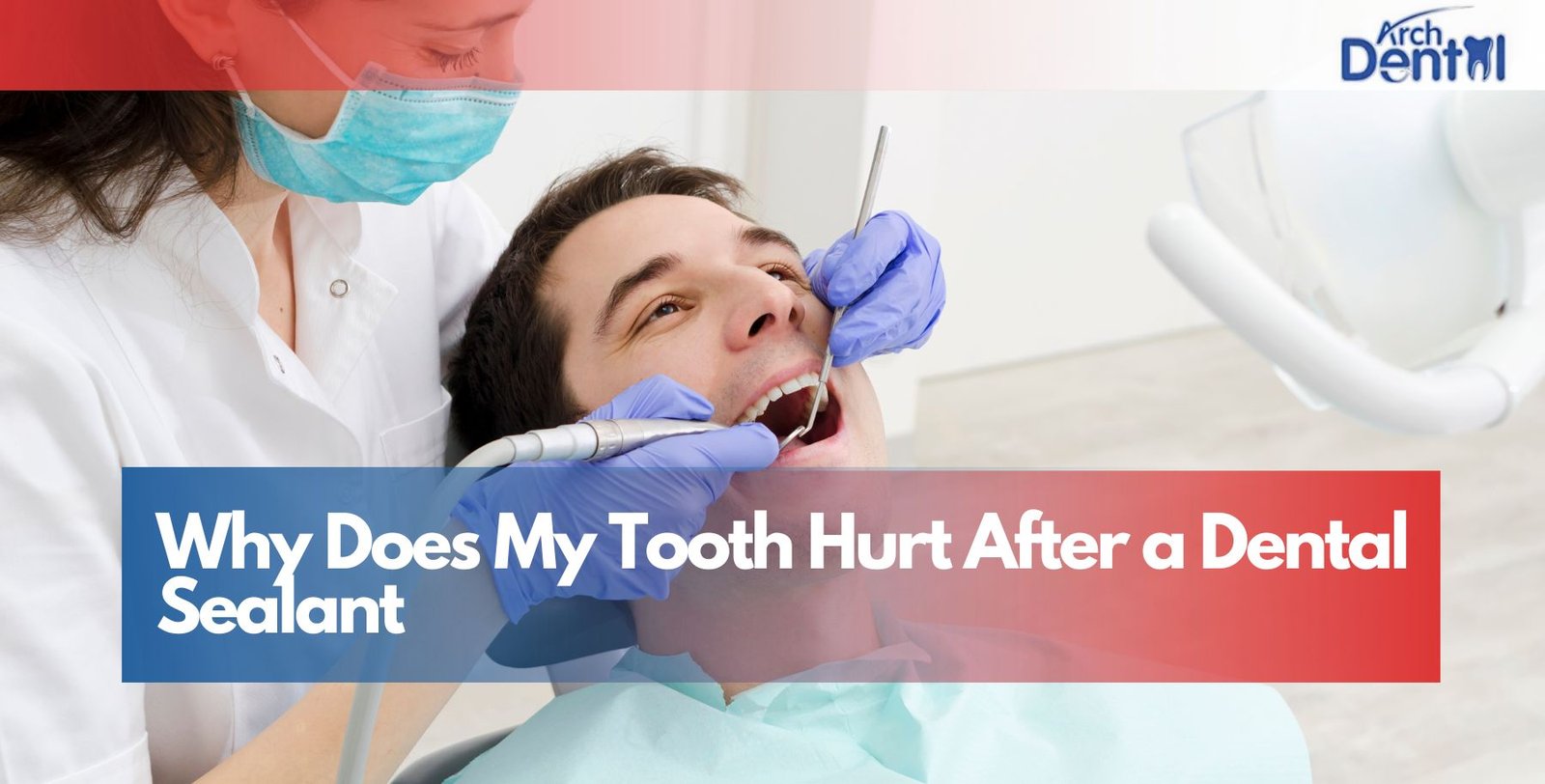
In most cases, dental sealants do not hurt at all. The application process is simple, quick, and completely non-invasive — no needles, drilling, or anesthesia required.
During the procedure, your dentist:
- Cleans and dries your tooth.
- Applies a gentle etching solution to roughen the surface for better bonding.
- Paints the sealant material onto the grooves.
- Hardens it with a curing light in seconds.
Some patients report a slightly “different” feeling when biting down immediately after, but that sensation fades as your mouth adjusts. If you feel any lingering soreness, it’s usually due to bite alignment or mild irritation — both easily corrected.
How Long Does It Take to Get Dental Sealants
Getting dental sealants is one of the fastest preventive dental treatments available.
Timing and Procedure Overview
- Cleaning and preparation: 5 minutes
- Etching and rinsing: 2–3 minutes per tooth
- Sealant application and curing: 10–15 minutes total
In most cases, the entire process takes less than 30 minutes for several teeth. Children and adults can return to eating and drinking immediately afterward.
However, if your sealant feels uneven or high when you bite down, it’s best to have your dentist make a small adjustment for comfort.
Do Dental Sealants Require Any Special Care
Sealants are durable, but they’re not indestructible. Taking proper care of them ensures long-lasting protection and comfort.
Maintain Good Oral Hygiene
Brush twice daily with fluoride toothpaste and floss once a day. Sealants protect the surface of your tooth but don’t replace good hygiene habits.
Avoid Chewing Hard or Sticky Foods
Hard candies, ice, and sticky foods can chip or loosen the sealant over time. Be gentle on newly sealed teeth for the first few days.
Regular Dental Checkups
Your dentist will examine your sealants at every cleaning appointment to ensure they’re intact. If a sealant wears down or chips, it can be repaired quickly during your visit.
Address Grinding Habits
If you grind your teeth, talk to your dentist about a night guard. Grinding puts stress on sealants and can lead to premature wear.
Watch for Sensitivity
Mild discomfort may occur after sealant placement, but persistent or worsening pain should be checked by your dentist to rule out bite issues or underlying decay.
When Should You Contact Your Dentist?
If pain lasts more than 3–4 days or your bite feels off, call your dentist. Sometimes, sealants can slightly alter how your teeth meet, and a quick adjustment solves the problem. Persistent discomfort could also indicate an unrelated dental issue, such as a developing cavity or nerve irritation beneath the sealant.
Conclusion
It’s normal to experience mild sensitivity or discomfort after getting dental sealants. In most cases, the sensation fades within a few days as your teeth adjust. However, if your pain persists or you feel that your bite is uneven, your dentist can easily fix it with a minor adjustment.
Dental sealants remain one of the most effective and painless ways to prevent cavities and protect enamel. If you’re concerned about sensitivity or considering preventive care, visit your trusted Dentist in Northampton, MA to ensure your teeth stay strong, healthy, and pain-free.
FAQs
How long do dental sealants last?
Dental sealants typically last between 5 and 10 years with proper oral hygiene and regular checkups. Over time, they may wear down slightly and need reapplication to maintain full protection.
Who is an ideal candidate for sealants?
Sealants are recommended for children, teenagers, and adults with deep grooves in their molars or a high risk of cavities. They’re also suitable for people with mild enamel erosion or sensitivity who want an added layer of protection.
Will dental sealants change the tooth?
Sealants don’t change the natural appearance of your tooth. They form a thin, clear or slightly white layer that blends seamlessly with your enamel and doesn’t affect how your teeth look or feel once you get used to them.
Why do my teeth hurt after sealants?
A few patients may experience slight discomfort because of bite misalignment, gum irritation, or temporary sensitivity after application. These issues usually resolve within a few days or after a small adjustment by your dentist.
When does dental sealant feel normal?
Your dental sealant should feel completely normal within 1–3 days after placement. Once your bite adjusts and the sealant sets, you shouldn’t notice it at all when chewing or talking.