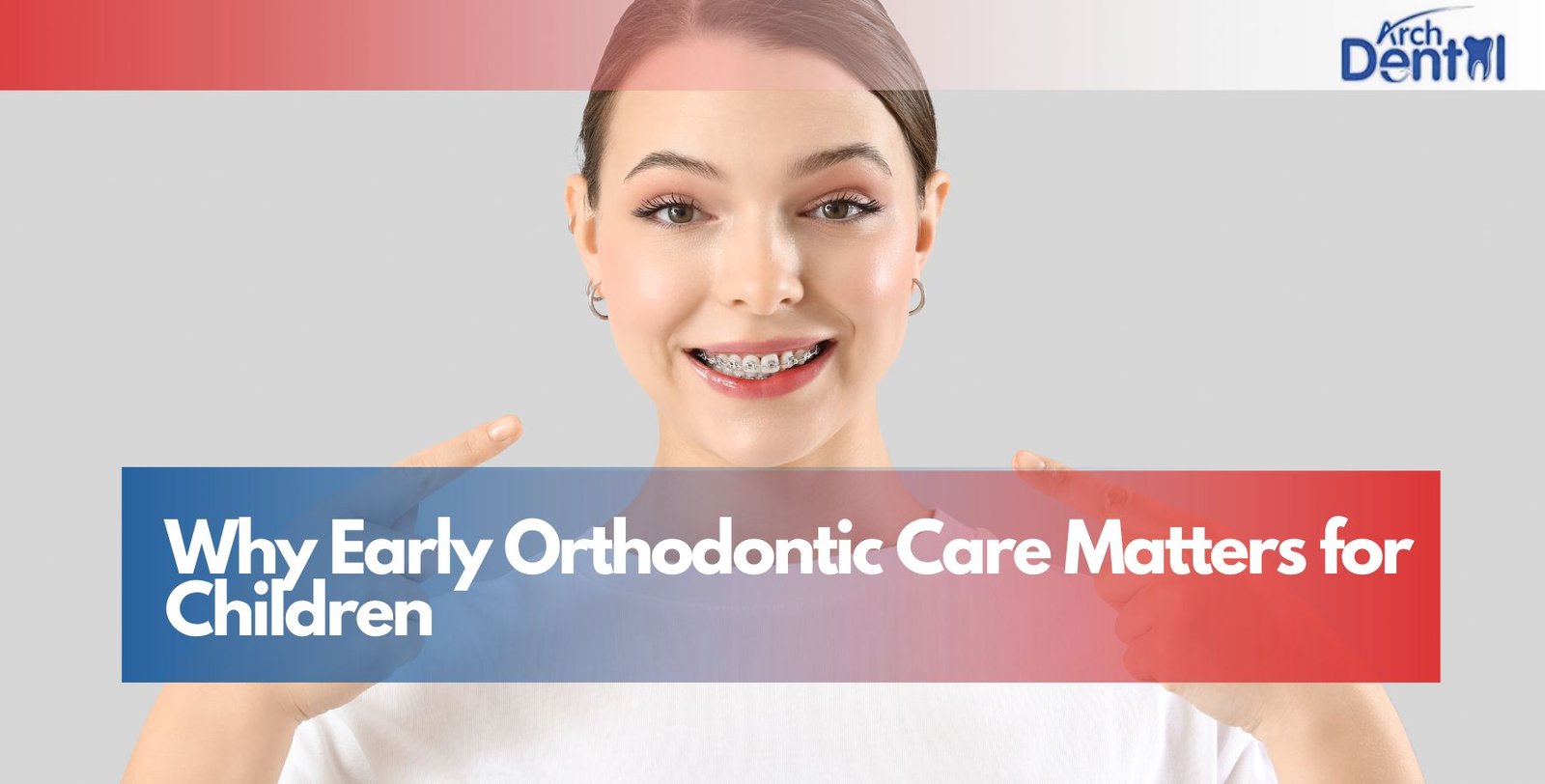
When it comes to children’s smiles, timing is everything. Parents often think orthodontics is only for teenagers, but in reality, early orthodontic care can make a world of difference. By identifying and addressing dental or jaw problems early, orthodontists can guide a child’s smile toward healthier alignment and improved oral function.
This article explores why early orthodontic treatment for children is so important, the benefits it provides, the right age to start, and how it can impact your child’s long-term oral health and confidence.
What Is Early Orthodontic Care?
Early orthodontic care, also called interceptive orthodontics, refers to treatment provided to children as young as 6 or 7 years old. Instead of waiting until all the permanent teeth are in place, orthodontists evaluate and sometimes begin treatment while the mouth and jaw are still developing.
Why Start So Early?
At this age, orthodontists can identify problems such as crowding, overbites, crossbites, and spacing issues. Since children’s bones are still growing, it’s easier to guide jaw development and tooth positioning with less invasive methods compared to later years.
The Importance of Monitoring Children’s Dental Growth
Monitoring children’s dental growth helps identify issues like crowding, overbites, or delayed tooth eruption before they worsen. Early evaluations give orthodontists the chance to guide jaw development and tooth alignment naturally. Regular checkups ensure problems are addressed in time, preventing complicated treatments later and promoting healthier smiles as kids grow.
Natural Development vs. Guided Growth
Every child’s smile develops differently. For some, teeth grow in straight and well-aligned naturally. For others, genetics, habits like thumb-sucking, or early tooth loss can lead to misalignment. Regular orthodontic checkups ensure issues are caught before they worsen.
Early Warning Signs Parents Should Watch For
- Crowded or overlapping teeth.
- Early or late loss of baby teeth.
- Difficulty chewing or biting.
- Mouth breathing or speech issues.
- Jaw shifting or popping sounds.
If you notice any of these signs, scheduling an orthodontic evaluation for kids is highly recommended.
Benefits of Early Orthodontic Treatment
Early orthodontic treatment prevents severe misalignment, makes space for permanent teeth, and improves speech and chewing. By starting early, orthodontists can guide jaw growth, reduce the need for extractions, and shorten treatment times in teenage years. It also boosts children’s confidence, allowing them to smile proudly with healthier, straighter teeth.
Preventing Severe Problems Later
By addressing alignment issues early, orthodontists can prevent more complex problems that might require tooth extractions or surgery in the teenage years.
Guiding Jaw and Facial Development
Orthodontists can influence the way a child’s jaw grows, ensuring proper bite alignment and balanced facial structure.
Making Space for Permanent Teeth
Interceptive care often includes expanding arches or guiding erupting teeth into correct positions, reducing the risk of severe crowding.
Improving Speech and Chewing Function
Misaligned teeth or jaw issues can impact how children chew and speak. Correcting these problems early leads to better overall function.
Boosting Confidence
Children who feel good about their smiles are more confident, which positively affects their social and emotional development.
The Right Age for an Orthodontic Evaluation
According to the American Association of Orthodontists, children should have their first orthodontic evaluation by age 7. At this stage, orthodontists can identify if early intervention is necessary or if treatment can wait until later.
Not every child will need immediate treatment, but an early evaluation gives parents peace of mind and helps create a roadmap for future care.
Common Treatments in Early Orthodontic Care
Early orthodontic care often includes space maintainers to protect gaps, palatal expanders to widen the jaw, and partial braces for alignment. Habit appliances help correct thumb-sucking or tongue-thrusting. These treatments are simpler, less invasive, and highly effective in guiding proper dental development, ensuring children’s smiles grow healthy and well-aligned.
Space Maintainers
If a baby tooth is lost too soon, space maintainers prevent neighboring teeth from shifting into the gap, allowing the permanent tooth to erupt correctly.
Palatal Expanders
Expanders widen the upper jaw to correct crossbites and create more room for incoming permanent teeth.
Partial Braces or Aligners
In some cases, children may need partial braces to align a few problem teeth. Clear aligners are also becoming more common in early treatment plans.
Habit Appliances
Devices that discourage thumb-sucking or tongue-thrusting habits can prevent further orthodontic issues.
How Early Orthodontics Differs from Teen Treatment
Early orthodontics takes advantage of children’s growing bones, making corrections easier and faster than in teens. Treatment is often shorter, less invasive, and focused on guiding growth rather than correcting established problems. Teens may still need braces, but early care reduces complexity, discomfort, and the length of orthodontic treatment.
Growth Advantage
Children’s bones are still flexible, making it easier to guide development compared to teenagers whose jaws have mostly finished growing.
Shorter, Simpler Treatments
Early interventions often reduce the need for long, complicated treatments later. Some kids may still need braces as teens, but for a shorter duration.
Less Invasive Options
Correcting issues early often avoids the need for extractions or surgical procedures that could have been necessary if treatment was delayed.
Emotional and Social Impact of Early Orthodontic Care
Children can be sensitive about their appearance. Crooked teeth, gaps, or misaligned bites can affect self-esteem, especially in social or school settings. Early orthodontics helps children smile confidently, interact more positively with peers, and avoid teasing that sometimes comes with visible dental issues.
The Role of Parents in Supporting Early Orthodontic Care
Parents play a vital role in early orthodontic care by encouraging positive attitudes, supervising daily oral hygiene, and following orthodontist instructions. Modeling good dental habits, keeping regular appointments, and helping kids adjust to appliances ensure successful results. With active support, children stay comfortable, confident, and committed to healthier smiles.
Encourage Positive Attitudes
Parents should avoid negative words like “painful” or “scary” when talking about braces or orthodontic devices.
Maintain Oral Hygiene
Braces, expanders, and other appliances need extra care. Parents should help children brush and floss properly to prevent cavities.
Follow Orthodontist Instructions
Regular checkups and following appliance care instructions are essential to achieving the best results.
Cost of Early Orthodontic Care
Many parents worry about the cost of orthodontic treatment for children, but starting early can often save money in the long run. By preventing severe problems, you reduce the need for extensive treatments later. Many orthodontic clinics in the U.S. and globally also offer flexible payment plans.
Addressing Common Myths About Early Orthodontics
Many parents believe early orthodontics isn’t necessary, but baby teeth play a crucial role in guiding permanent teeth. Starting care early doesn’t always mean full braces—it often involves simple preventive treatments. Waiting too long can worsen problems. Early evaluations give kids the best chance for healthy, functional, and confident smiles.
My child is too young for braces.
In reality, early orthodontics often uses simpler devices like expanders or space maintainers, not full braces.
Baby teeth don’t matter since they fall out.
Baby teeth guide permanent teeth. Losing them too early or allowing them to decay can create alignment issues later.
It’s better to wait until all the permanent teeth come in.
Waiting can sometimes make problems worse and limit treatment options. Early evaluations prevent unnecessary complications.
Long-Term Benefits of Early Orthodontic Care
- Better jaw alignment and facial balance.
- Reduced need for tooth extractions.
- Improved speech, chewing, and breathing function.
- Shorter orthodontic treatments during teenage years.
- Lifelong confidence and healthier smiles.
Conclusion
Early orthodontic care for children is not just about straightening teeth. It’s about guiding proper development, preventing serious problems, and boosting a child’s confidence for life. With early evaluation and timely treatment, you give your child the best chance for a strong, beautiful, and functional smile.
For professional, family-focused orthodontic care, consult a trusted Dentist in Northampton, MA.
FAQs
What age should my child see an orthodontist?
By age 7, children should have their first orthodontic evaluation to catch any early signs of alignment or jaw issues.
Will my child need braces if they get early orthodontic care?
Not always. Some children only need preventive treatments, while others may still require braces later but for a shorter time.
Are expanders painful for kids?
Expanders may feel unusual at first but are generally not painful. Kids adjust quickly with guidance from their orthodontist.
Is early orthodontic care expensive?
Costs vary, but early treatment can save money in the long run by preventing complex, costly procedures in the teenage years.
What problems can early orthodontic care fix?
It can address crowding, crossbites, overbites, spacing issues, and habits like thumb-sucking.
Can my child get clear aligners instead of braces?
In some cases, yes. Clear aligners are available for kids, but suitability depends on their specific orthodontic needs.
Does insurance cover early orthodontic treatment?
Many dental insurance plans provide partial coverage for children’s orthodontics. Parents should check their plan details with the provider.