Root canal treatment is one of the most successful procedures in dentistry, with success rates exceeding 95% when performed properly. However, like any medical intervention, complications can occasionally occur. Knowing how to tell if a root canal is infected is crucial for protecting your oral health and ensuring prompt treatment if problems develop. While most patients experience smooth recovery following endodontic treatment, understanding the warning signs of infection helps you distinguish between normal healing sensations and serious complications requiring immediate professional attention. Early detection and treatment of root canal infections prevent more extensive damage and often save teeth that might otherwise require extraction.
Understanding Root Canal Infection Signs
Infected root canals develop when bacteria persist or re-enter the treated tooth despite the cleaning and sealing performed during the initial procedure. Several factors can contribute to post-treatment infections, and recognizing the early warning signs allows for timely intervention before complications worsen.
Persistent or Returning Tooth Pain
The most obvious sign of a root canal infection is persistent or returning tooth pain. While some mild discomfort immediately following your procedure is normal and typically subsides within a few days, pain that intensifies or doesn’t improve after a week warrants professional evaluation. This pain might feel like a dull, constant ache, sharp sensitivity when biting down, or throbbing discomfort that disrupts your daily activities and sleep.
Swelling Around the Treated Tooth
Swelling around the treated tooth is a significant warning sign of infection. You might notice puffiness in your gums near the affected tooth, or swelling that extends to your cheek, jaw, or even your neck. The area may feel tender to touch and appear red or inflamed. Any swelling that develops days or weeks after your root canal procedure should be evaluated promptly, as it often indicates active bacterial activity.
Bad Taste or Odor
A bad taste in your mouth or persistent bad breath that doesn’t improve with brushing can signal root canal infection. This occurs when pus or infected material drains from the affected area into your mouth. You might notice a foul, metallic, or bitter taste that seems to come from the specific tooth or a generally unpleasant odor that lingers throughout the day despite good oral hygiene.
Discoloration of the Treated Tooth
Tooth discoloration developing weeks or months after root canal treatment can indicate problems. If your tooth begins to darken significantly or develops a grayish or brownish tint, it could mean the root canal wasn’t completely successful or that infection has developed. While some darkening can occur naturally after root canals, dramatic color changes warrant examination.
Sensitivity to Pressure and Temperature
Sensitivity to hot or cold temperatures, particularly if it lingers after the stimulus is removed, can indicate incomplete treatment or reinfection. While some temporary sensitivity is expected immediately after the procedure, prolonged reactions weeks later suggest the tooth’s internal structures are still exposed or irritated by bacterial presence. Similarly, sharp pain when biting or chewing indicates potential infection or other complications.
Formation of a Pimple-Like Bump
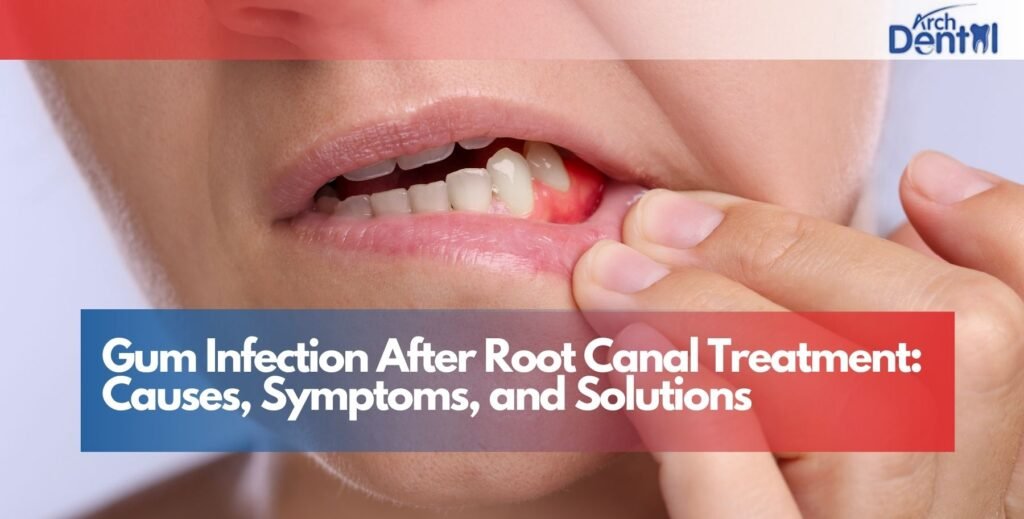
A pimple-like bump on your gums near the treated tooth, called a fistula or gum boil, is a clear sign of infection. This bump provides a drainage pathway for infected material and may occasionally drain pus, temporarily relieving pressure and pain. However, the presence of a fistula always indicates active infection requiring professional treatment, even if it’s not currently causing significant discomfort.
Recognizing Symptoms of Infected Root Canal
Root canal infection symptoms can range from subtle to severe, and understanding the full spectrum of possible manifestations helps you recognize when something is wrong. These symptoms may develop gradually or appear suddenly, depending on the nature and severity of the infection.
Severe Throbbing Pain
Severe, throbbing pain that doesn’t respond well to over-the-counter pain medication suggests significant infection. This pain often has a pulsating quality that follows your heartbeat and may worsen when lying down due to increased blood flow to your head. Pain that wakes you from sleep or prevents you from concentrating on daily tasks requires urgent dental evaluation.
Facial and Jaw Swelling
When infection spreads beyond the tooth itself, facial swelling can develop. This swelling might affect your entire cheek, extend along your jawline, or even cause your eye to swell partially shut in severe cases. Jaw pain that radiates beyond the treated tooth area and difficulty opening your mouth fully (called trismus) indicate the infection is advancing and requires immediate professional attention.
Fever and General Illness
Fever is a clear sign your body is fighting infection systemically. While a low-grade fever might accompany the initial healing process immediately after your root canal, a temperature above 100.4°F (38°C) that develops days or weeks after your procedure suggests bacterial infection has taken hold. Chills, fatigue, and general malaise often accompany fever and indicate your immune system is under significant strain.
Swollen Lymph Nodes
Swollen lymph nodes in your neck or under your jaw represent your body’s immune response to infection. These glands filter bacteria and become enlarged and tender when fighting dental infections. If you notice firm, painful lumps beneath your jawline or in your neck on the same side as the treated tooth, this indicates active infection requiring evaluation.
Drainage and Pus
Pus discharge from around the root canal tooth appearing as white, yellow, or greenish material with a foul taste and odor definitively indicates infection. This discharge consists of dead white blood cells, bacteria, and tissue debris. You might notice drainage when pressing on the gum tissue near the tooth, find it present upon waking in the morning, or experience it spontaneously throughout the day.
Changes in Bite Alignment
If your bite feels different after your root canal, or if the treated tooth suddenly feels higher than surrounding teeth when you close your mouth, this could indicate infection-related swelling in the ligament supporting the tooth. This periodontal ligament inflammation causes the tooth to feel slightly elevated or “proud,” making it contact opposing teeth prematurely when biting.
Common Causes of Root Canal Infection
Understanding what causes root canal infections helps you appreciate why they occur and how treatment addresses the underlying problems. Multiple factors can contribute to post-treatment infections, sometimes working in combination to create complications.
Incomplete Canal Cleaning
Sometimes the complex anatomy of tooth roots makes it challenging to completely clean all canal spaces during the initial root canal procedure. Accessory canals, curved roots, or unusual anatomy can harbor bacteria that survive the treatment. These remaining bacteria can multiply over time, eventually causing infection symptoms to develop weeks, months, or even years after the original procedure.
Compromised Seal or Restoration
A compromised seal allows bacteria from your mouth to infiltrate the treated tooth. This can occur if the temporary filling placed after the root canal isn’t promptly replaced with a permanent crown or restoration, if the permanent restoration develops cracks or defects, or if dental decay develops around the restoration margins. Any pathway allowing bacterial entry can lead to reinfection.
Missed Canals During Treatment
Teeth, particularly molars, can have additional root canals beyond the typical number. If a canal isn’t identified and treated during the original procedure, it remains infected and becomes a source of ongoing problems. Advanced imaging and dental microscopes help dentists identify these hidden canals, but occasionally they’re missed, especially in teeth with unusual anatomy.
Vertical Root Fractures
Tooth fractures, particularly vertical cracks extending down the root, can develop after root canal treatment. Teeth become more brittle after losing their internal blood supply, making them vulnerable to cracking under chewing forces. These fractures provide pathways for bacterial invasion and are difficult to treat, often ultimately requiring tooth extraction if they extend significantly below the gum line.
Pre-Existing Infections Not Fully Resolved
If the original infection in your tooth was severe and involved significant bone destruction, complete healing takes considerable time even after successful root canal treatment. Sometimes symptoms that seem like new infections are actually the continuation of the original infection’s resolution process. However, worsening symptoms or new infection development weeks after treatment indicates true reinfection requiring additional intervention.
Delayed Permanent Restoration
Leaving a tooth with only a temporary filling for extended periods after root canal treatment significantly increases infection risk. Temporary materials aren’t designed for long-term use and can break down, crack, or allow bacterial leakage. Getting your permanent crown or filling placed promptly typically within 2-4 weeks is crucial for protecting the treated tooth and preventing reinfection.
Diagnosing an Infected Root Canal
If you suspect your root canal might be infected, your dentist uses several diagnostic methods to confirm the problem and determine the best treatment approach. Accurate diagnosis is essential for selecting appropriate treatment and predicting outcomes.
Clinical Examination Findings
Your dentist will perform a thorough clinical examination, looking for visible signs like swelling, redness, drainage, fistulas, or discoloration. They’ll gently palpate (press) the area to identify tender spots and percussion test the tooth by tapping it to assess pain response. These examination findings provide important clues about infection presence and severity.
Dental X-rays and Imaging
Dental x-rays are essential for diagnosing root canal infections. Standard periapical x-rays show the tooth roots and surrounding bone, revealing signs like bone loss around root tips, widening of the periodontal ligament space, or dark areas indicating bone destruction from infection. Changes in bone density or structure visible on x-rays help confirm infection even when symptoms are subtle.
Cone Beam CT Scanning
For complex cases, 3D imaging through cone beam computed tomography (CBCT) provides detailed views of tooth anatomy and surrounding structures. This advanced imaging reveals missed canals, root fractures, or infection extent more clearly than traditional x-rays. CBCT is particularly valuable when planning retreatment or deciding between retreatment and extraction for difficult cases.
Vitality Testing Methods
While root canal-treated teeth no longer respond to standard vitality tests (since the nerve has been removed), testing adjacent teeth helps rule out other problems. If neighboring teeth show abnormal responses, the pain might originate from them rather than the treated tooth. This differential diagnosis ensures accurate identification of the problem source.
Evaluating Previous Treatment Quality
Your dentist examines x-rays to assess the quality of the previous root canal, looking at how completely the canals were filled, whether the filling extends to the proper length, and whether the restoration adequately seals the tooth. Inadequate canal filling, overfilling, or underfilling can all contribute to treatment failure and infection development.
Monitoring Response to Treatment
Sometimes definitive diagnosis requires monitoring your response to antibiotic therapy or other interventions. If symptoms improve significantly with antibiotics but return after completing the medication, this confirms active infection requiring definitive treatment like root canal retreatment or apicoectomy rather than just prolonged antibiotic use.
Treatment Options for Infected Root Canals
When root canal infection is confirmed, several treatment options exist depending on the severity and specific circumstances. Your dentist will recommend the most appropriate approach based on your individual situation, treatment goals, and the tooth’s overall prognosis.
Antibiotic Therapy for Infection Control
Antibiotics help control bacterial infection and reduce symptoms, particularly when significant swelling or systemic signs like fever are present. Common antibiotics for dental infections include amoxicillin, penicillin, clindamycin (for penicillin-allergic patients), or metronidazole. However, antibiotics alone cannot cure an infected root canal they temporarily suppress infection while definitive treatment addresses the source.
Root Canal Retreatment Procedure
Root canal retreatment involves reopening the tooth, removing the previous filling material, thoroughly cleaning and disinfecting the canals again, and resealing the tooth with improved technique. This procedure has high success rates typically 70-80% and often resolves infections that persist after initial treatment. Retreatment is performed by general dentists or, preferably, by endodontists who specialize in these complex procedures.
Apicoectomy or Root-End Surgery
An apicoectomy is a surgical procedure where the tip of the tooth root (the apex) and surrounding infected tissue are removed through a small incision in the gum. This endodontic surgery is considered when retreatment isn’t feasible or has already been attempted unsuccessfully. The root tip is removed, and a small filling seals the end of the root canal from the bottom, preventing further bacterial leakage.
Crown Replacement or Repair
If infection resulted from a compromised crown or restoration allowing bacterial leakage, replacing the crown after retreatment is essential for long-term success. Even if the root canal retreatment is perfect, failing to address restoration defects leads to reinfection. Your dentist ensures the new restoration provides an optimal seal protecting the treated tooth.
Tooth Extraction as Last Resort
When a tooth cannot be saved through retreatment or surgery—often due to severe vertical root fractures, extensive bone loss, or catastrophic structural damage—extraction becomes necessary. While dentists always try to preserve natural teeth, removing a severely infected tooth prevents ongoing pain, infection spread, and damage to adjacent structures. Tooth replacement options like dental implants, bridges, or partial dentures restore function after extraction.
Monitoring and Follow-Up Care
After treatment for infected root canal, regular follow-up appointments ensure healing progresses appropriately. Your dentist takes periodic x-rays to monitor bone regeneration around the root tip and assesses symptom resolution. Complete healing can take 6-12 months, with gradual bone reformation visible on sequential x-rays indicating successful infection resolution.
Preventing Root Canal Infections
While not all root canal infections are preventable, several strategies significantly reduce your risk and protect your investment in endodontic treatment. Taking proactive steps helps ensure your treated tooth lasts for many years or even a lifetime.
Prompt Permanent Restoration
Getting your permanent crown or filling placed soon after root canal completion—ideally within 2-4 weeks is crucial for preventing reinfection. Temporary fillings aren’t designed for long-term use and deteriorate over time, allowing bacterial infiltration. Don’t delay this important step even if the tooth feels fine and you’re not experiencing symptoms.
Maintaining Excellent Oral Hygiene
Brush twice daily with fluoride toothpaste and floss daily to remove plaque and bacteria that could compromise your root canal tooth’s restoration. Pay special attention to the gum line around crowned teeth, as this is where decay often begins. Good oral hygiene prevents problems before they start and protects all your teeth, not just treated ones.
Regular Dental Checkups and Cleanings
Attend routine dental examinations every six months so your dentist can monitor your root canal tooth and catch potential problems early. Professional dental cleanings remove calculus buildup that home care misses and allow thorough examination of all restorations. Periodic x-rays reveal changes in bone around root tips before symptoms develop.
Avoiding Harmful Habits
Don’t chew ice, hard candy, or other extremely hard objects that can crack teeth or damage restorations. If you grind your teeth (bruxism) during sleep, wear a nightguard to protect your teeth from excessive forces. Address nail biting, pen chewing, or using your teeth as tools to open packages all habits that increase fracture risk.
Choosing Experienced Endodontists
For complex cases, particularly molars or retreatment situations, seeing an endodontist a root canal specialist increases success rates. These specialists have advanced training, specialized equipment including surgical microscopes, and extensive experience handling difficult cases. While they typically cost more than general dentists, their expertise often justifies the investment for complicated treatments.
Addressing Problems Promptly
If you experience tooth pain, sensitivity, or notice anything unusual about your root canal tooth, contact your dentist immediately rather than waiting. Early intervention addresses minor issues before they become major problems. Many root canal infections are easier to treat when caught early, before extensive bone destruction or other complications develop.
Conclusion
Knowing how to tell if a root canal is infected empowers you to recognize warning signs early and seek appropriate care before complications worsen. While root canal infections are concerning, modern dentistry offers effective treatment options that often save affected teeth and eliminate pain. Most infections respond well to retreatment or surgical intervention, allowing you to keep your natural tooth for many years.
If you’re experiencing tooth pain, swelling, or other symptoms suggesting root canal infection, don’t delay seeking professional evaluation. Your trusted dentist in Northampton, MA, provides comprehensive endodontic care, including diagnosis and treatment of post-procedure complications. We use advanced imaging technology and proven treatment techniques to identify infections early and provide effective solutions that preserve your natural teeth whenever possible.
Frequently Asked Questions
How do you check if a root canal is infected?
Dentists check for root canal infection through clinical examination (looking for swelling, tenderness, fistulas), dental x-rays showing bone loss or changes around root tips, percussion testing (tapping the tooth), palpation of surrounding tissues, and evaluating your symptoms. 3D imaging (CBCT) provides detailed views for complex cases and helps identify infection extent or complications.
How do dentists fix an infected root canal?
Dentists fix infected root canals through retreatment (reopening the tooth, removing old filling material, recleaning canals, and resealing), apicoectomy (surgically removing the infected root tip), prescribing antibiotics to control infection, or tooth extraction if the tooth cannot be saved. The chosen treatment depends on infection severity and the tooth’s structural condition.
How do you feel when a root canal is infected?
With an infected root canal, you typically feel severe throbbing pain, swelling in your gums or face, sensitivity to biting pressure, bad taste or odor from pus drainage, possible fever and general illness, and swollen lymph nodes in your neck. Pain often worsens over time and doesn’t respond well to over-the-counter medications.
Are root canals safe during pregnancy?
Yes, root canals are safe during pregnancy, particularly during the second trimester. Untreated dental infections pose greater risks to pregnancy than the treatment itself. Dentists use pregnancy-safe anesthetics like lidocaine without epinephrine and take minimal necessary x-rays with proper shielding. Treating infections prevents bacteria from spreading and affecting pregnancy health.
Should I postpone my root canal?
Don’t postpone root canals if you have active infection, severe pain, or swelling—these require prompt treatment. Delaying allows infection to worsen, potentially spreading to surrounding structures or bloodstream. For non-urgent cases without symptoms, discuss timing with your dentist. However, addressing dental problems prevents complications and is generally safer than waiting.
Can I get anesthesia for a root canal while pregnant?
Yes, local anesthesia for root canals is safe during pregnancy. Dentists use lidocaine without epinephrine (or with minimal epinephrine), which is FDA Category B for pregnancy. These anesthetics don’t cross the placental barrier significantly and are routinely used safely throughout pregnancy. Proper pain control during dental procedures actually reduces stress hormones that could affect pregnancy.
What dental work cannot be done while pregnant?
Elective cosmetic procedures like teeth whitening and veneers should wait until after pregnancy. Complex surgical procedures and extensive treatments are best postponed to the second trimester or after delivery when possible. However, necessary treatments including fillings, root canals, and extractions for infections should proceed to prevent harm to mother and baby.
How long will a tooth last after a root canal?
A properly treated root canal tooth with a quality crown can last a lifetime—many last 20-30+ years. Success depends on restoration quality, oral hygiene maintenance, regular dental checkups, and avoiding trauma. Crowned teeth last longer than filled ones. Teeth that receive prompt permanent restoration and good care often function normally for decades.
Can a tooth infection harm my unborn baby?
Yes, untreated tooth infections can harm your unborn baby. Severe infections can enter the bloodstream, potentially causing premature birth, low birth weight, or pregnancy complications. The inflammatory response and stress from dental pain also negatively affect pregnancy. Treating dental infections promptly during pregnancy is essential for both maternal and fetal health.