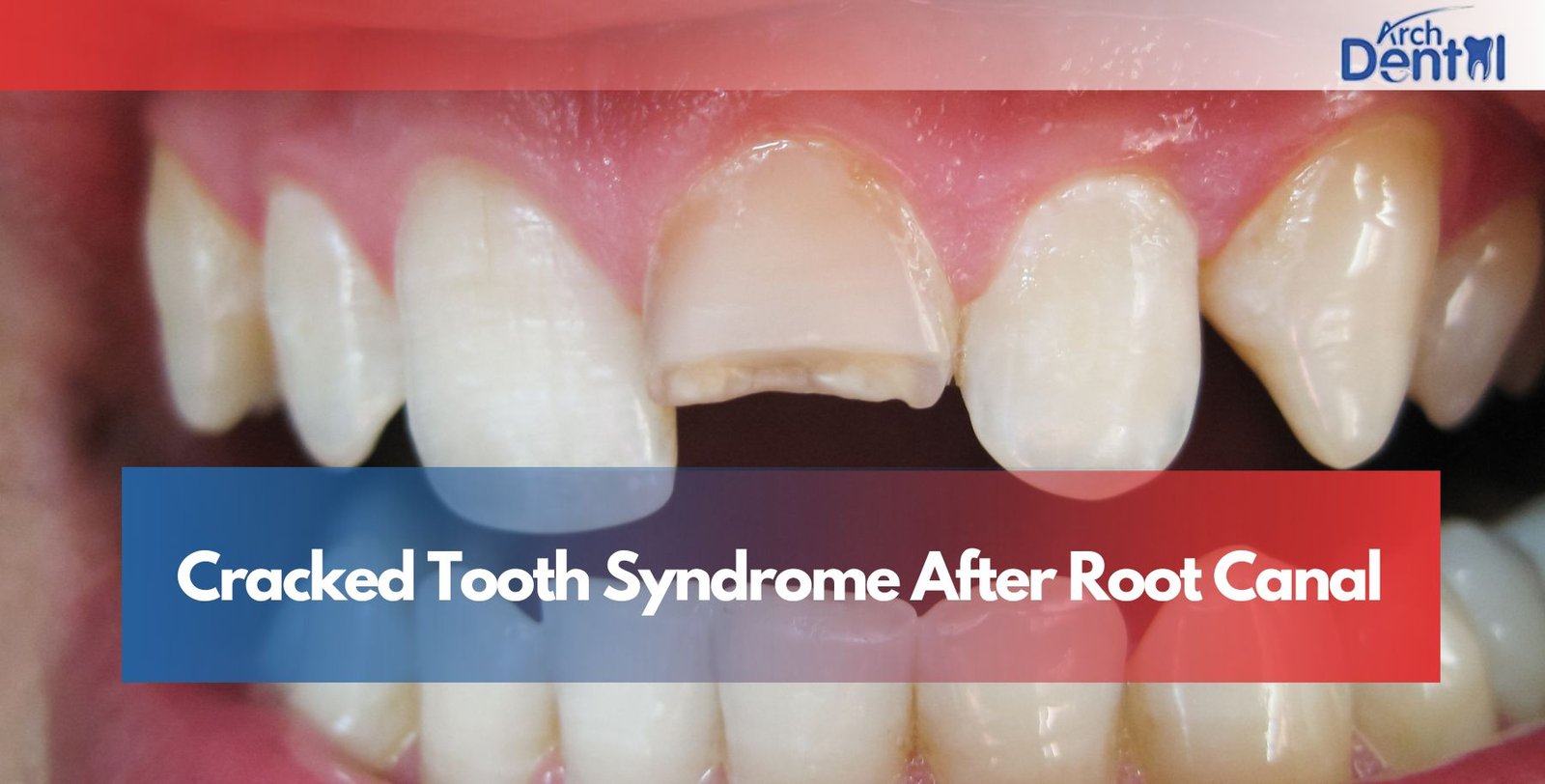
Root canal treatment has an impressive success rate, saving millions of teeth from extraction each year. However, some patients experience unexpected complications following the procedure, with cracked tooth syndrome being among the most frustrating and potentially serious issues. This condition involves incomplete fractures in the tooth structure that can cause intermittent pain, sensitivity, and discomfort, significantly impacting your quality of life and potentially jeopardizing the tooth your dentist worked so hard to save.
Understanding why teeth sometimes crack after root canal therapy requires examining the structural changes that occur during and after the procedure. When a tooth undergoes endodontic treatment, the dentist removes the infected pulp tissue, nerves, and blood supply from within the tooth. While this eliminates the infection and pain, it also leaves the tooth without internal hydration and nutrients, making it more brittle and susceptible to fractures over time.
Cracked tooth syndrome presents unique diagnostic challenges because the fractures are often too small to appear on X-rays and may not be immediately visible during clinical examination. The intermittent nature of symptoms—pain that comes and goes depending on biting pressure, temperature changes, or specific chewing movements—can make it difficult for both patients and dentists to pinpoint the exact problem. This comprehensive guide explores why cracks develop after root canal treatment, how to recognize the warning signs, available treatment options, and crucial preventive measures to protect your restored tooth.
Why Teeth Become More Vulnerable After Root Canal Treatment
When you undergo endodontic treatment, the procedure fundamentally alters your tooth’s structural integrity in several important ways. The removal of the pulp tissue, which contains blood vessels and nerves, eliminates the tooth’s internal moisture source. Over time, this dehydration makes the tooth more rigid and less able to flex naturally under the considerable forces generated during chewing—forces that can exceed 200 pounds per square inch on back molars.
Additionally, root canal procedures require creating an access opening through the top of the tooth to reach the internal pulp chamber and canals. This access opening, while necessary for treatment, removes additional tooth structure and can weaken the overall architecture of the tooth. The extent of decay or damage that necessitated the root canal in the first place often means significant tooth structure was already compromised before treatment even began.
Teeth that have had root canals also lack the proprioceptive feedback that healthy teeth provide. The nerve endings in the pulp normally signal when you’re biting too hard or in the wrong way, allowing you to adjust instinctively. Without this warning system, patients may unknowingly subject their treated teeth to forces that exceed their structural capacity, increasing the risk of tooth fractures developing over time.
Common Causes of Cracked Tooth Syndrome Post-Root Canal
One of the most preventable causes of cracked teeth after root canal involves failure to place a protective crown following treatment. While front teeth with adequate remaining structure might survive with just a filling, back teeth that undergo root canal therapy almost universally require crown coverage to distribute chewing forces evenly and prevent fractures.
Many patients delay crown placement due to cost concerns or scheduling conflicts, leaving the temporary filling as a long-term solution. Unfortunately, temporary materials aren’t designed to withstand prolonged chewing forces, and the underlying tooth structure remains vulnerable. Even a few months without crown protection can allow cracks to develop that compromise the entire restoration.
Excessive Biting Forces and Bruxism
Teeth grinding (bruxism) places enormous stress on all teeth, but particularly on those weakened by root canal treatment. The repetitive, forceful clenching and grinding that occurs during sleep can generate forces several times greater than normal chewing, creating or extending microscopic cracks in the tooth structure.
Many patients are unaware they grind their teeth since it happens unconsciously during sleep. Morning jaw soreness, worn tooth surfaces, and headaches often accompany bruxism, but without proper diagnosis and treatment with a night guard, the condition continues damaging teeth including those with previous root canal therapy.
Delayed Crown Placement
Even when patients intend to get a crown, delays between the root canal procedure and final crown placement create a window of vulnerability. During this interim period, the tooth must function without its permanent protection, absorbing the full impact of chewing forces directly on weakened, brittle tooth structure.
Dentists typically recommend crown placement within 2-4 weeks of completing the root canal. Waiting months or years exponentially increases the risk of fractures developing. Some cracks that form during this delay period may extend below the gum line or into the root structure, potentially making the tooth unsalvageable despite successful root canal treatment.
Pre-existing Structural Weaknesses
Sometimes tooth cracks that become symptomatic after root canal treatment actually existed before the procedure but went unnoticed. The tooth may have had microscopic fracture lines that weren’t causing symptoms initially. The root canal procedure, with its associated drilling and structural modifications, can then extend these pre-existing cracks, making them symptomatic.
Large fillings present before root canal treatment also create weak points in tooth structure. The remaining tooth walls may be thin and fragile, making them prone to fracturing under normal function even with the best endodontic treatment and restoration techniques.
Recognizing the Symptoms of Cracked Tooth Syndrome
The hallmark symptom of cracked tooth syndrome involves sharp, sudden pain when biting down on the affected tooth, particularly when releasing the biting pressure. This pain occurs because the crack flexes open slightly under pressure, irritating the nerve endings in the periodontal ligament surrounding the tooth root. When you release the pressure, the crack snaps back together, creating another painful stimulus.
This tooth pain typically occurs with specific foods or biting angles, making it maddeningly inconsistent. You might eat an entire meal without discomfort, then experience sharp pain from a single bite. This unpredictability often confuses patients who can’t identify a clear pattern to their symptoms.
Temperature Sensitivity
Many patients with cracked teeth experience heightened sensitivity to hot and cold stimuli. The crack creates a pathway for thermal changes to reach the inner tooth structures more directly, causing discomfort even after successful root canal treatment theoretically eliminated the nerve. This sensitivity occurs because the periodontal ligament and surrounding tissues remain innervated and respond to temperature changes transmitted through the crack.
Cold sensitivity is particularly common and may linger for several seconds after the cold stimulus is removed. Hot sensitivity tends to be less frequent but can indicate more serious problems, particularly if the crack extends deep into the root structure.
Difficulty Pinpointing the Problem Tooth
Unlike typical toothaches that localize clearly to one tooth, cracked tooth syndrome often causes vague, poorly localized discomfort. Patients may struggle to identify which specific tooth is causing problems, sometimes pointing to an entire quadrant of their mouth. This diffuse pain pattern results from the nerve pathways that serve multiple teeth converging in the jaw, making precise localization difficult.
This diagnostic challenge frustrates both patients and dentists, sometimes leading to extensive examinations and multiple appointments before identifying the cracked tooth. The intermittent nature of symptoms means the tooth may feel perfectly normal during dental examination, showing no obvious signs of pathology on routine X-rays.
Diagnostic Approaches for Cracked Tooth Syndrome
Dentists employ several specific tests to identify tooth fractures that aren’t visible on standard radiographs. The bite test involves having you bite on a special instrument that isolates pressure to individual cusps, helping identify exactly which area of the tooth produces pain. The tooth slooth, a plastic or rubber tool, serves a similar purpose by allowing controlled application of pressure to different parts of the tooth surface.
Visual examination with magnification and specialized lighting can sometimes reveal crack lines on the tooth surface, particularly after applying dye that seeps into the fracture. Your dentist may also gently probe around the tooth, checking for unusual mobility or tender spots that suggest an underlying crack.
Advanced Imaging and Technology
While conventional dental X-rays rarely show incomplete tooth cracks, more advanced imaging techniques improve diagnostic accuracy. Cone beam computed tomography (CBCT) creates three-dimensional images that can reveal fractures missed on traditional radiographs, particularly those extending into the root structure.
Transillumination, which involves shining a bright light through the tooth, can sometimes make cracks visible as dark lines interrupting the light transmission. This technique works particularly well for diagnosing cracks in front teeth but has limitations for back teeth with multiple cusps and complex anatomy.
Differential Diagnosis Considerations
Because cracked tooth syndrome symptoms overlap with several other dental conditions, dentists must rule out alternative explanations including residual infection from incomplete root canal treatment, sinus problems creating referred pain to upper teeth, TMJ disorders causing generalized jaw discomfort, or periodontal problems affecting the tissues around the tooth.
This diagnostic process sometimes requires a systematic approach, addressing the most likely causes first and progressively investigating less common possibilities. Your dentist’s experience with post-root canal complications significantly influences how quickly and accurately they identify a cracked tooth.
Treatment Options for Cracked Teeth After Root Canal
If the crack is superficial and hasn’t extended below the gum line, placing a protective dental crown often provides adequate treatment. The crown holds the tooth together, preventing the crack from spreading and distributing chewing forces evenly across the entire tooth structure. For teeth that already have crowns, replacing the existing crown with better coverage or superior materials may solve the problem.
This represents the most conservative treatment approach and offers excellent success rates when the crack hasn’t compromised the tooth’s structural integrity or extended into vital areas. Most patients experience complete symptom resolution once the crown is properly placed and adjusted.
Bonding and Adhesive Techniques
Minor cracks limited to the enamel or outer dentin layers sometimes respond well to dental bonding techniques. Your dentist applies special adhesive materials that seal the crack, preventing further propagation and reducing sensitivity. This approach works best for small, stable cracks that aren’t actively spreading.
The longevity of bonding repairs varies depending on crack location and the forces the tooth experiences during function. Front teeth with minimal chewing stress may maintain bonded repairs for many years, while back teeth under heavy functional demands might experience repair failure requiring more definitive treatment.
Root Canal Retreatment
In some cases, symptoms attributed to a cracked tooth actually indicate incomplete initial treatment or reinfection of the root canal system. Retreatment involves removing the previous filling materials, thoroughly cleaning and disinfecting the canal spaces again, and placing new filling materials. This approach addresses any residual infection while also allowing the dentist to more thoroughly examine the internal tooth structure for cracks.
Endodontic retreatment carries a good prognosis when performed by experienced specialists using modern techniques and equipment. However, if a crack is discovered during retreatment that extends into critical areas, extraction may ultimately prove necessary.
Tooth Extraction and Replacement Options
When cracks extend deep into the root structure, split the tooth vertically, or involve multiple root surfaces, the tooth typically cannot be saved. In these situations, tooth extraction becomes necessary to eliminate pain and prevent infection. While losing a tooth is disappointing, particularly after investing in root canal treatment, extraction prevents more serious complications including bone loss, infection spread, and damage to adjacent teeth.
Following extraction, several tooth replacement options exist including dental implants, bridges, or partial dentures. Implants represent the gold standard for single tooth replacement, preserving bone and providing function most similar to natural teeth. Your dentist can discuss the best replacement option based on your specific situation, overall oral health, and budget considerations.
Preventing Cracked Tooth Syndrome After Root Canal Treatment
The single most important preventive measure involves placing a protective crown promptly after completing root canal therapy. Don’t delay this crucial step due to cost or convenience the temporary savings aren’t worth risking the tooth you just paid to save through endodontic treatment.
Discuss crown timing with your dentist before beginning root canal treatment so you can budget appropriately and schedule appointments efficiently. Some practices offer in-house crown fabrication that allows same-day or next-visit crown placement, minimizing the vulnerable period between procedures.
Wearing a Night Guard for Bruxism
If you grind or clench your teeth, investing in a custom night guard protects all your teeth from excessive forces, particularly those weakened by previous dental treatment. Over-the-counter guards provide some protection but don’t fit as precisely or comfortably as custom devices fabricated by your dentist.
Wearing your night guard consistently every single night delivers the best results. Many patients find they also experience reduced jaw pain, fewer headaches, and better sleep quality in addition to protecting their dental work from damage.
Avoiding Hard Foods and Habits
Modify your diet to avoid extremely hard foods like ice, hard candies, popcorn kernels, and bones that can fracture teeth. Be particularly cautious with teeth that have undergone root canal treatment, as they’re more susceptible to damage than healthy teeth.
Similarly, avoid using your teeth as tools to open packages, bite nails, or hold objects. These habits place abnormal forces on teeth and dramatically increase fracture risk, particularly for teeth already compromised by previous dental treatment.
Regular Dental Checkups and Monitoring
Maintain consistent six-month dental checkups that allow your dentist to monitor teeth with previous endodontic treatment for early signs of problems. Professional examination can detect developing issues before they cause significant symptoms or require more extensive treatment.
During these visits, discuss any unusual sensations or mild discomfort you’ve noticed, even if symptoms seem minor or intermittent. Early intervention prevents small problems from progressing to the point where tooth extraction becomes necessary.
Living with a Treated Cracked Tooth
Once your cracked tooth receives appropriate treatment, most patients enjoy years of comfortable function without recurring problems. However, teeth with previous cracks require ongoing attention and protection. Continue following preventive measures including wearing your night guard if prescribed, avoiding extremely hard foods, maintaining excellent oral hygiene to prevent additional problems, and attending regular dental appointments for professional monitoring.
Be alert for any return of symptoms and contact your dentist promptly if you notice increasing pain, sensitivity, or other concerning changes. While properly treated tooth cracks typically remain stable, some fractures can extend over time despite appropriate intervention, requiring additional treatment.
Conclusion
Cracked tooth syndrome after root canal represents a frustrating complication that can undermine successful endodontic treatment. However, understanding the risk factors, recognizing early warning signs, and implementing appropriate preventive measures significantly reduces the likelihood of developing this problem. If you do experience symptoms suggesting a cracked tooth, prompt professional evaluation provides the best opportunity for successful treatment and tooth preservation.
The teeth that undergo root canal therapy represent significant investments in both time and money. Protecting these investments through timely crown placement, appropriate protective devices, and careful attention to symptoms ensures you receive maximum benefit from your treatment. If you’re experiencing pain or sensitivity in a tooth that’s had a root canal, don’t delay seeking professional care. Contact an experienced Dentist in Northampton, MA who can accurately diagnose the problem and recommend appropriate treatment to restore your comfort and protect your tooth for years to come.