Experiencing a cracked tooth or broken tooth can be both physically painful and emotionally distressing, leaving you wondering if your smile can be saved and what treatment options are available. Restorative dentistry offers comprehensive solutions for repairing damaged teeth, from minor chips to severe fractures that threaten tooth viability. Modern dental techniques and materials allow dentists to restore even extensively damaged teeth to full function and natural appearance, preserving your smile and preventing the need for extraction in most cases. Understanding the types of tooth damage, available treatment options, and what to expect during restoration empowers you to make informed decisions when facing dental trauma. Whether your tooth broke from biting something hard, suffered damage during an accident, or cracked due to years of wear and grinding, restorative treatments can return your tooth to health and your confidence to full strength.
Understanding Different Types of Tooth Fractures
Tooth fractures vary significantly in severity, location, and impact on tooth structure, with each type requiring specific restorative approaches tailored to the damage extent.
Minor Chips and Enamel Cracks
Chipped teeth and superficial enamel cracks represent the mildest form of tooth damage, often affecting only the outer enamel layer without exposing underlying tooth structure. These minor fractures might result from biting hard objects, minor trauma, or natural wear over time. Craze lines tiny vertical cracks in enamel—are extremely common and usually require no treatment beyond monitoring, as they don’t compromise tooth integrity. Small chips along tooth edges, particularly front teeth, create cosmetic concerns but rarely cause pain since the damage doesn’t reach the sensitive dentin layer beneath enamel. While these minor fractures may seem insignificant, they deserve attention because rough edges can irritate your tongue and cheeks, and exposed areas become more vulnerable to staining and decay. Sharp edges should be smoothed to prevent soft tissue injury. Even minor chips warrant evaluation to ensure no deeper damage exists that isn’t immediately visible.
Fractured Cusps and Broken Pieces
Cusp fractures occur when a piece of the tooth’s chewing surface breaks off, typically around or involving a dental filling. These fractures happen frequently because large fillings weaken the remaining tooth structure, making cusps vulnerable to breaking under chewing pressure. A fractured cusp usually doesn’t cause severe pain initially since it often doesn’t affect the tooth’s nerve, though you’ll notice sharp edges and may experience sensitivity. The broken piece might come off while eating, or you may discover it when feeling roughness with your tongue. Broken tooth pieces create functional problems beyond aesthetics: the damaged tooth can’t withstand normal chewing forces, food traps in irregular areas, and the remaining structure is at risk for further damage. The tooth needs prompt restoration to prevent the fracture from extending deeper and to restore proper chewing function.
Cracked Tooth Syndrome
Cracked tooth syndrome involves a crack extending from the chewing surface toward the tooth root, though not completely separating the tooth into distinct pieces. These vertical tooth cracks are notoriously difficult to diagnose because they often don’t show on x-rays and may not be visible during examination. Symptoms include sharp pain when biting down that releases when pressure is removed, sensitivity to temperature extremes, and discomfort that’s hard to pinpoint. The pain pattern is distinctive—patients can usually identify which tooth hurts when biting, but not when the dentist taps on it. Cracks typically occur in back teeth (molars) that have large fillings or have undergone root canal treatment. Without treatment, the crack gradually propagates deeper, potentially reaching the root and necessitating extraction. Early detection and treatment through crown placement can save cracked teeth before damage becomes irreparable.
Split Teeth and Vertical Root Fractures
Split teeth represent severe fractures where a crack has progressed completely through the tooth, separating it into distinct segments. These result from untreated cracked tooth syndrome that worsened over time. Split teeth usually cannot be saved intact—the segments are too compromised for successful restoration. Depending on the split location and remaining tooth structure, sometimes one segment can be removed while the other is crowned, but extraction is often necessary. Vertical root fractures begin at the root and extend toward the chewing surface, often going unnoticed initially since they occur below the gum line. These fractures frequently affect teeth that have had root canal treatment, as the procedure removes the tooth’s blood supply, making it more brittle. Symptoms include gum swelling near the affected tooth, deep periodontal pockets, and pain when chewing. Vertical root fractures have poor prognosis the tooth usually requires extraction since the fracture compromises the root structure beyond repair.
Horizontal Root Fractures from Trauma
Horizontal root fractures result from traumatic injury typically accidents, falls, or sports injuries where impact force breaks the tooth root perpendicular to its length. Unlike vertical fractures, horizontal root fractures occasionally heal if the fracture segments remain properly aligned and stabilized. Dental trauma causing horizontal fractures requires immediate professional evaluation. The tooth may appear normal externally despite significant root damage. X-rays reveal fracture location and severity, helping determine treatment approach. Fractures near the tooth’s tip (apex) have better prognosis than those near the crown. Treatment involves stabilizing the tooth with splints bonded to adjacent teeth, allowing several months for healing. Root canal treatment may become necessary if the pulp is damaged. Prognosis depends on fracture location, patient age, and how quickly treatment is provided. Young patients with developing roots have better healing potential than adults with fully formed roots.
Restorative Treatment Options for Damaged Teeth
Restorative dentistry provides various treatment approaches for repairing fractured teeth, with the appropriate option depending on damage severity, location, and tooth condition.
Dental Bonding for Minor Chips
Dental bonding offers a conservative, cost-effective solution for repairing minor chips and small fractures that don’t compromise tooth structure significantly. The procedure involves applying tooth-colored composite resin directly to the damaged area, sculpting it to restore the tooth’s natural contour, and hardening it with a special curing light. Bonding can be completed in a single appointment lasting 30-60 minutes per tooth, usually without requiring anesthesia unless the chip exposes sensitive dentin. The dentist roughens the tooth surface and applies a conditioning liquid that helps the bonding material adhere, then carefully shapes the composite to blend seamlessly with surrounding tooth structure. Once hardened, the bonded area is polished to match the natural sheen of your enamel. Tooth bonding lasts 3-7 years with proper care and can be easily repaired if damaged. This treatment works beautifully for front teeth with minor cosmetic damage, providing natural-looking results at an affordable price point.
Dental Crowns for Extensive Damage
Dental crowns represent the gold standard treatment for teeth with significant fractures, large cracks, or extensive structural damage that simple fillings cannot adequately restore. A crown completely covers the visible portion of the tooth above the gum line, protecting weakened structure while restoring full function and appearance. The crown placement process begins with reshaping the damaged tooth to accommodate the crown, removing additional tooth structure if necessary to create proper fit. Your dentist takes impressions or digital scans of the prepared tooth and adjacent teeth, capturing precise measurements for crown fabrication. A temporary crown protects the tooth while the permanent restoration is created in a dental laboratory over 2-3 weeks. Modern porcelain crowns and zirconia crowns offer exceptional strength combined with natural appearance that matches surrounding teeth. Metal crowns provide maximum durability for back teeth where aesthetics matter less. Crown placement typically requires two appointments and successfully restores cracked teeth to full function for 10-15 years or longer.
Root Canal Treatment When Nerves Are Affected
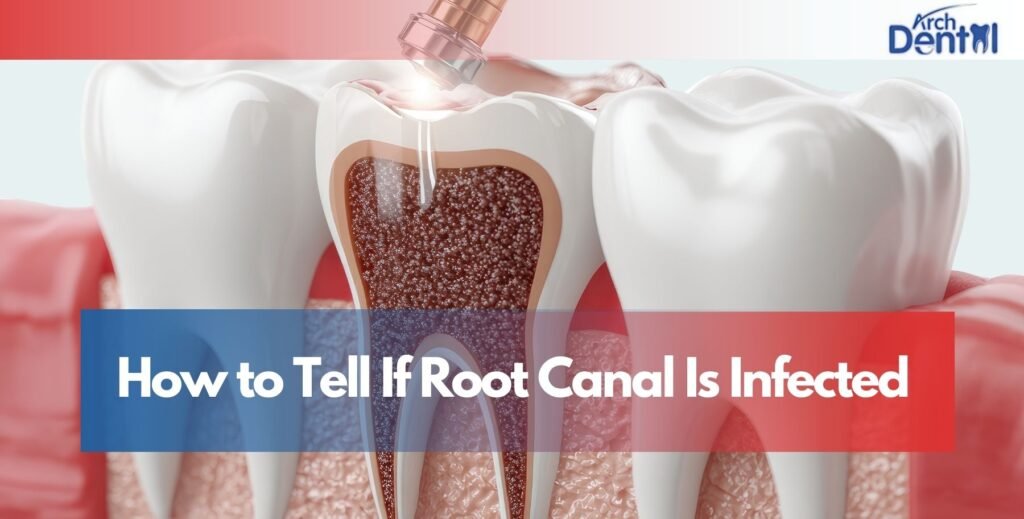
When a tooth fracture extends into the pulp chamber containing nerves and blood vessels, root canal treatment becomes necessary before the tooth can be restored. Cracks reaching the pulp allow bacteria to enter, causing infection, inflammation, and often severe pain. Root canal therapy removes the infected or damaged pulp tissue, thoroughly cleans and disinfects the inner tooth, and seals the root canals to prevent reinfection. The procedure is performed under local anesthesia, ensuring comfort throughout treatment. Despite root canal therapy’s intimidating reputation, modern techniques make it comparable in discomfort to receiving a filling. After root canal therapy, the tooth becomes more brittle since it no longer has internal blood supply, making a crown necessary to protect it from further fracture. The combination of root canal treatment and crown restoration allows many severely cracked teeth to be saved that would otherwise require extraction. Success rates exceed 90% when proper technique is followed.
Inlays and Onlays for Moderate Damage
Dental inlays and onlays provide a middle-ground restoration option between fillings and crowns, ideal for teeth with moderate damage that’s too extensive for a simple filling but doesn’t warrant a full crown. An inlay fits within the cusps of the tooth, similar to a filling but custom-fabricated in a dental laboratory from durable materials. An onlay extends over one or more cusps, providing greater coverage for more extensive damage. These restorations are created from porcelain, composite resin, or gold based on your needs and preferences. The procedure involves removing damaged tooth structure, taking impressions, and placing a temporary restoration while the permanent inlay or onlay is fabricated. The custom restoration is bonded to your tooth during a second appointment, providing excellent fit and durability. Inlays and onlays preserve more natural tooth structure than crowns while offering superior strength and longevity compared to large fillings. They’re particularly effective for cracked teeth where the damage is confined to the chewing surface without extending down the sides.
Extraction and Replacement for Unsalvageable Teeth
When a broken tooth is too severely damaged to restore typically split teeth or teeth with extensive vertical root fractures tooth extraction becomes the only viable option. While dentists always attempt to save natural teeth when possible, some fractures compromise tooth structure beyond repair. Leaving such damaged teeth in place risks infection, pain, and damage to surrounding teeth and bone. Your dentist thoroughly evaluates the fracture pattern, remaining tooth structure, and overall prognosis before recommending extraction. The extraction procedure is performed under local anesthesia with or without sedation for patient comfort. Healing takes 1-2 weeks, during which you’ll follow specific care instructions. Immediately after extraction, discuss tooth replacement options to prevent complications from the empty space. Dental implants provide the most durable, natural-feeling replacement, while bridges and partial dentures offer alternatives. Replacing extracted teeth maintains proper bite alignment, prevents neighboring teeth from shifting, and preserves jawbone density.
Immediate Steps When You Break or Crack a Tooth
Knowing how to respond immediately after tooth damage occurs can prevent complications and improve treatment outcomes, making quick, appropriate action essential.
Assessing the Damage and Pain Level
When you first discover a cracked or broken tooth, take a moment to assess the situation before panicking. Gently feel the damaged area with your clean finger or tongue to determine the extent of visible damage. Can you feel sharp edges, missing tooth structure, or pieces that have broken off? Look in a mirror with good lighting to see the damage. Is bleeding present? How severe is the pain—mild discomfort, sharp sensitivity, or throbbing agony? Pain assessment helps you and your dentist understand damage severity. Minimal pain with a small visible chip suggests minor damage, while severe pain indicates the fracture may have reached the tooth’s nerve. Try to determine what caused the damage—trauma from an accident, biting something hard, or spontaneous fracture. If you find broken tooth pieces, save them—while they usually can’t be reattached, they help your dentist understand the fracture pattern. This initial assessment guides your next steps and helps you communicate effectively with dental professionals.
Controlling Bleeding and Protecting the Tooth
If bleeding accompanies your tooth fracture, control it by rinsing your mouth gently with lukewarm water, then applying clean gauze or a tea bag to the bleeding area with firm pressure for 10-15 minutes. Avoid repeatedly checking whether bleeding has stopped, as this disrupts clot formation. Once bleeding is controlled, protect the damaged tooth from further injury. Avoid chewing on the affected side and stick to soft foods. If sharp edges irritate your tongue or cheeks, cover them temporarily with sugar-free gum or dental wax (available at pharmacies) until you can see your dentist. Tooth protection prevents the fracture from extending and protects soft tissues from cuts. Don’t attempt to smooth sharp edges yourself with nail files or other tools—you could cause more damage. If a large piece broke off but remains partially attached, leave it in place rather than trying to remove it. Rinse your mouth gently after eating to keep the area clean without vigorous swishing that might dislodge pieces.
Managing Pain and Sensitivity
Pain management for broken or cracked teeth begins with over-the-counter pain relievers like ibuprofen or acetaminophen, following package dosing instructions. Ibuprofen works particularly well since it reduces both pain and inflammation. Take medication with food to prevent stomach upset. Apply a cold compress to the outside of your cheek near the damaged tooth for 15 minutes on, 15 minutes off to reduce swelling and numb pain. Avoid extremely hot, cold, sweet, or acidic foods and beverages that can trigger sensitivity in damaged teeth. If sensitivity is severe, you can apply dental first aid products containing clove oil (eugenol), which has natural numbing properties, though this provides only temporary relief. Don’t place aspirin directly on the tooth or gums contrary to old wisdom, this burns tissues without providing effective pain relief. If pain is severe, persistent, or worsening, it suggests nerve involvement requiring urgent dental care. Contact your dentist immediately for severe pain accompanied by swelling, fever, or difficulty swallowing.
Calling Your Dentist Promptly
Contact your dental office as soon as possible after discovering tooth damage, ideally within 24 hours. Explain the situation to the receptionist, describing the damage, pain level, and any bleeding or swelling. Most dental practices reserve time slots for emergencies and can often accommodate you the same day or within 24-48 hours for urgent situations. If damage occurred outside regular business hours and pain is severe, many dentists provide emergency contact numbers for after-hours situations. For severe trauma involving facial swelling, uncontrolled bleeding, suspected jaw fracture, difficulty breathing, or multiple broken teeth, go to an emergency room immediately rather than waiting for a dental appointment. Prompt dental evaluation is crucial because even minor-appearing fractures can hide more extensive damage beneath the surface. Early treatment prevents complications like infection, further tooth breakdown, or pulp damage that would require more extensive treatment. Don’t adopt a “wait and see” approach—cracked teeth rarely improve without treatment and almost always worsen over time.
Temporary Measures Until Your Appointment
While waiting for your dental appointment, several temporary measures keep you comfortable and protect your damaged tooth. Stick to a soft food diet, chewing on the opposite side of your mouth from the damaged tooth. Avoid temperature extremes in foods and beverages—room temperature options are most comfortable. Maintain excellent oral hygiene, gently brushing all teeth including the damaged one (avoid scrubbing directly on fractured areas), and rinsing with warm salt water after meals. If a piece of tooth fell out completely, keep it in milk, your saliva, or a tooth preservation solution (available at pharmacies) and bring it to your appointment—while it usually can’t be reattached, it provides useful diagnostic information. Temporary dental cement available at pharmacies can be applied to cover sharp edges or fill in missing pieces, providing some protection and reducing sensitivity until professional treatment. Don’t use superglue or household adhesives on teeth—these are toxic and prevent proper dental treatment. Continue pain medication as needed but contact your dentist if pain increases or new symptoms like swelling or fever develop before your scheduled appointment.
Long-Term Care After Tooth Restoration
Successfully restoring a cracked or broken tooth is only the beginning—proper long-term care protects your investment and prevents future damage to both restored and natural teeth.
Maintaining Excellent Oral Hygiene
Your restored tooth requires the same diligent care as your natural teeth to prevent new problems from developing. Brush twice daily for two minutes each time using a soft-bristled toothbrush and fluoride toothpaste, ensuring you clean all surfaces of the restored tooth. Pay special attention to the margin where the restoration meets your natural tooth, as this junction is vulnerable to plaque accumulation and decay. Floss daily around the restored tooth, sliding the floss gently between teeth and curving it around each tooth to clean below the gum line. Oral hygiene for dental crowns and other restorations prevents gum disease and decay at restoration margins that could compromise the restoration or underlying tooth. Consider using an electric toothbrush, which studies show removes more plaque than manual brushing. An antimicrobial mouthwash reduces bacterial levels in your mouth. Regular, thorough home care extends the life of your restoration dramatically, often adding years to its functional lifespan.
Attending Regular Dental Checkups
Regular dental visits every six months remain crucial after tooth restoration, allowing your dentist to monitor the restoration’s condition and catch problems early. During these appointments, your dentist examines the restored tooth for signs of wear, checks that the restoration remains securely bonded or cemented, evaluates the bite to ensure proper alignment, and takes x-rays periodically to assess the tooth structure beneath the restoration. Professional cleanings remove tartar buildup that home care cannot eliminate, particularly around restoration margins. Your hygienist can identify areas where you need to improve your cleaning technique. Dental monitoring identifies loose crowns, fractured bonding, recurrent decay, or other issues while they’re still minor and easily corrected. Problems detected early often require simple repairs, while those allowed to progress may necessitate complete restoration replacement or even tooth loss. Never skip routine checkups, even when everything feels fine—many dental problems develop without symptoms until they’re advanced.
Protecting Teeth from Further Damage
If you’ve already experienced a broken tooth, taking preventive measures protects your restored tooth and remaining natural teeth from similar damage. Avoid chewing hard objects like ice, hard candy, popcorn kernels, bones, or pen caps that can crack teeth. Don’t use your teeth as tools to open packages, crack nuts, or hold objects—use proper tools instead. If you play contact sports, wear a mouthguard to protect your teeth from impact injuries. For patients who grind or clench their teeth (bruxism), wearing a custom nightguard is essential for protecting both restorations and natural teeth from excessive forces that cause cracks and wear. Your dentist creates a custom-fitted guard that you wear during sleep, when most grinding occurs. This simple preventive device can add years to the life of your restorations and prevent new fractures in other teeth. Be mindful of your chewing habits, distribute forces evenly across your teeth rather than consistently using one side.
Dietary Considerations for Restored Teeth
While dental restorations restore most normal function, certain dietary modifications protect them from damage and extend their lifespan. Avoid extremely hard foods that place excessive stress on restorations, choose cooked vegetables over raw, cut hard fruits and meat into smaller pieces, and skip things like hard pretzels or candy. Be cautious with sticky foods like caramel, taffy, or dried fruit that can pull at restorations, particularly crowns or bonded areas. Very hot or very cold foods may cause sensitivity in restored teeth, though this usually improves over time. If you have bonded restorations on front teeth, limit staining substances like coffee, tea, red wine, and tobacco, as composite bonding materials can stain over time. A balanced diet rich in calcium, phosphorus, and vitamin D supports overall dental health and the bone supporting your restored teeth. While you’ll enjoy far greater dietary freedom with restored teeth than with damaged ones, using common sense about food hardness and chewing technique prevents unnecessary restoration failure.
Recognizing When Problems Develop
Learning to identify signs that your restored tooth needs attention allows prompt intervention before minor issues become major problems. Contact your dentist if you experience new sensitivity or pain in the restored tooth, particularly if it persists beyond a few days or worsens. Looseness or movement of a crown, bridge, or bonded area requires immediate evaluation. Changes in your bite teeth not meeting correctly or new discomfort when chewing—may indicate restoration problems or damage. Visible chips, cracks, or darkening of the restoration itself suggest material failure. Gum problems around the restored tooth including bleeding, swelling, or recession need assessment. If you notice food trapping in new areas around the restoration, the fit may have changed. A bad taste or odor coming from the restored tooth could indicate decay developing beneath the restoration. Any of these symptoms warrant scheduling a dental appointment promptly. Early intervention when problems first develop often allows simple repairs, while delayed treatment may require complete restoration replacement or more complex procedures.
Conclusion
Restorative dentistry offers comprehensive solutions for cracked and broken teeth, with treatment options ranging from simple bonding for minor chips to complex crown restorations for severely damaged teeth. Modern techniques and materials allow dentists to save most fractured teeth, restoring both function and appearance to near-perfect condition. The key to successful outcomes lies in seeking prompt professional evaluation when damage occurs, choosing the appropriate restoration for your specific situation, and committing to excellent long-term care that protects your investment. While experiencing a broken or cracked tooth can be frightening, understanding your treatment options and what to expect during restoration provides peace of mind. With proper care and regular dental monitoring, restored teeth function beautifully for many years, allowing you to eat, speak, and smile with confidence knowing your dental health is protected.
If you’ve experienced a cracked or broken tooth or need restorative dental care, consulting with an experienced dentist in Northampton, MA ensures you receive comprehensive evaluation and treatment tailored to your specific needs, protecting your oral health and restoring your smile effectively.
Frequently Asked Questions
Can a dentist restore broken teeth?
Yes, dentists can restore most broken teeth using various treatments including dental bonding, crowns, inlays, onlays, or root canal therapy depending on damage severity. Modern restorative techniques and materials allow repair of even extensively damaged teeth, preserving natural tooth structure and restoring full function and appearance in most cases.
What dental condition would require a restorative dental treatment?
Conditions requiring restorative treatment include tooth decay (cavities), broken or cracked teeth, missing teeth, severely worn teeth, failed previous dental work, infected tooth pulp requiring root canals, and teeth damaged by trauma. Any condition compromising tooth structure, function, or appearance typically needs restorative intervention for repair.
What is the best treatment for cracked teeth?
The best treatment depends on crack severity and location. Minor cracks may need only bonding, while deeper cracks typically require crowns to protect the tooth from further damage. Cracks reaching the pulp need root canal treatment first, then crown placement. Early treatment prevents cracks from worsening and requiring extraction.
What are the dental options for a cracked tooth?
Options include dental bonding for superficial cracks, crowns for cracks affecting cusps or extending deeper, root canal plus crown if the crack reaches the nerve, inlays or onlays for moderate damage, and extraction with replacement (implant, bridge, or denture) for teeth too damaged to save. Your dentist recommends treatment based on crack severity.
What is the best option for broken teeth?
The best option depends on how many teeth are broken and where. Small chips can be repaired with bonding, larger breaks need crowns, and extensively broken teeth may require root canals before crowning. Teeth broken below the gum line often need extraction and replacement. Prompt evaluation determines the most appropriate restoration for your specific situation.